Bogland Merit Badges

Best Blogs in Korea
Somewhere in cyber-space voting is taking place for the ‘Best Korean Blog.’ No, I am not including a link! Firstly Bathhouse Ballads is one of the nominees and, secondly, I am tempted to delete all references to it. To be honest, I have not been very happy with the boy scout badges that e-rags provide. Just being required to string a sentence together as a qualification for their banner is a little like buying a degree. Having that icon appear on my site somehow smacks of prostitution and now that I’ve been ‘exposed’ by An Idiots Tale, ironically asking people to vote for me, I’m tempted to remove it.
So, in response to a true guru of Korean blogs and writing in general, Mr Wonderful, who resides at An Idiot’s Tale, I fully admit that I arse licked to get that pretty badge which I could subsequently stick in my sidebar. I feel quite ashamed! Like I’ve been caught by mummy having a wank while wearing her knickers. And as shameful as it is, I’ll admit to those who asked, rhetorically, on An Idiot’s Tale’s pages, what you have to do to qualify for that coveted badge. Simple, I wrote a begging e-mail. No one has to nominate you because you can nominate yourself! And I prostituted myself good, telling them I’d ‘been published’ as opposed to having ‘published myself’ – which was in fact exactly what I was doing at the time. Yes, it felt sleazy but you know what students are like when they want a gold star, it doesn’t really matter to them if they cheated or not, it’s the sticker that counts.

Mr Wonderful at An Idiot's Tale
And why is it a form of prostitution? Because even as I was composing that grovelling letter I was well aware that many of the other ‘nominated’ blogs where shite. Half of them provide the same experience as lifting the lid on an unflushed toilet, one with turds in residence! When people enter and subsequently leave your blog in the same click, you need to reconsider.
In contrast, I visited several blogs last night via An Idiots Tale, all of them regular commentators on his site and ended up having to tear myself away at 2.am. And guess what? All of them had shitty ‘hit statistics.’ Now, I’m quite proud of my paltry hits even though they tally the same amount in one month, as the big bloggers get in a day, but these guys had really poor figures, in some cases under a thousand. And to compound matters, some blogs were much older than mine. But their content and style was far superior to many of the blogs nominated for the ‘Best Blogs in Korea,’ mine included and many of the blogs I have read, or not read, in the last year!
Now, I love my blog and I love writing and being a snob, I profess I am a writer not a blogger. There is a difference! And of course, what qualifies me to self-aggrandizement is that I’ve been paid by other people to write and have had a substantial work published. Most first time authors earn less than £4000 for their efforts and after all the revisions, and late nights, the pay back is pitiful. But the one reward is that you’ve been published, preferably by a third-party and that’s a kick in the teeth to petty critics. But there is an irony; I have had more hits to Bathhouse Ballads in six months than my book sold copies in 10 years. It’s only natural that I love my blog, as a creative pursuit, above my published book. A book is dead! You write it and leave it and as much as you wish you could rewrite parts, you can’t. And as I have learnt to my cost, you can’t easily retract what you’ve said. And unless you’re famous and successful you have little or no interaction with your readers. Blogging is quite different and compared to a book, it can be changed, it grows and can respond (via its readers). Compared to a book, a blog is alive which also means it needs nurturing and can die.
So, seeing my blog swirling around in that cesspit, shoulder to shoulder with a substantial, amount of shite, made me feel pretty dirty. The feelings of prostitution, of being soiled were intensified when I noticed that some of the nominated blogs have more followers than they’ve had hits. How do you account for 940 followers when your site has only been visited 800 times? Even the big bloggers don’t have a such a fan-base despite the fact they can attract over a 1000 hits a day!
I am going to vote for one of the nominated blogs as they’re not all crap! But I don’t particularly want anyone voting for me because winning it would really involve no victory, other than the one erected by An Idiot’s Tale and I’m probably going to zap that merit sticker in my sidebar. My artistic pride tells me to but the prostitute whispers for me to hang on because it’s all about exposure. The only real reward in blogging, apart from the art of writing itself, are the number of individuals who subscribe to your site and read your work on a regular basis and no amount of self-delusion can increase that figure or alter the worth of your writing.
 © Nick Elwood 2010 Creative Commons Licence.
It Can Pay to be a Pygmy

Not suitable for Pumpkin people
My Korean girl students love camp boys, other wise known as ‘flower boys.’ Camp is totally in and the poncier and more androgynous a boy or man is, the better – provided of course, he’s straight. If you dressed a frond of ooo-wong (우엉 – burdock) in fashionable clothes, gave it a nice haircut and sent it flouncing down the street all limp and bendy, girls would swoon.
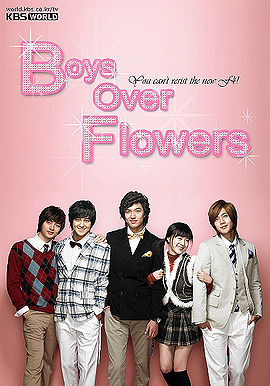
‘Boys over Flowers;’ highly successful!

Jay Park (박재범) – Handsome or Pretty? Or even pretty handsome!
Boys over Flowers (꽃보다 남자) was a highly successful drama which ran in early 2009, was aired in numerous other Asian countries and has subsequently been identified with the migration of Korean culture to other countries, a phenomena known as the ‘Korean Wave’ (할류). The first ‘wave’ (2005-2009), often associated with ‘Winter Sonata,’ consisted exclusively of drama which gradually gained a fan base outside Korea, predominantly in Asia. With the export package now including pop music, theater and musicals, a second wave (dating from 2010), can be identified. As an example, the singer Jay Park created more traffic via Twitter, on March 8th, 2010, than did that day’s Oscar nominations. Coined by some as ‘Hallyu 2.0,’ the ‘2nd ‘wave’ has encompassed Egypt, Turkey, Romania, India and even Uzbekistan. Interest in Korean has increased and a country as small as Nepal now has 30.000 people a year signing up for Korean language proficiency tests.
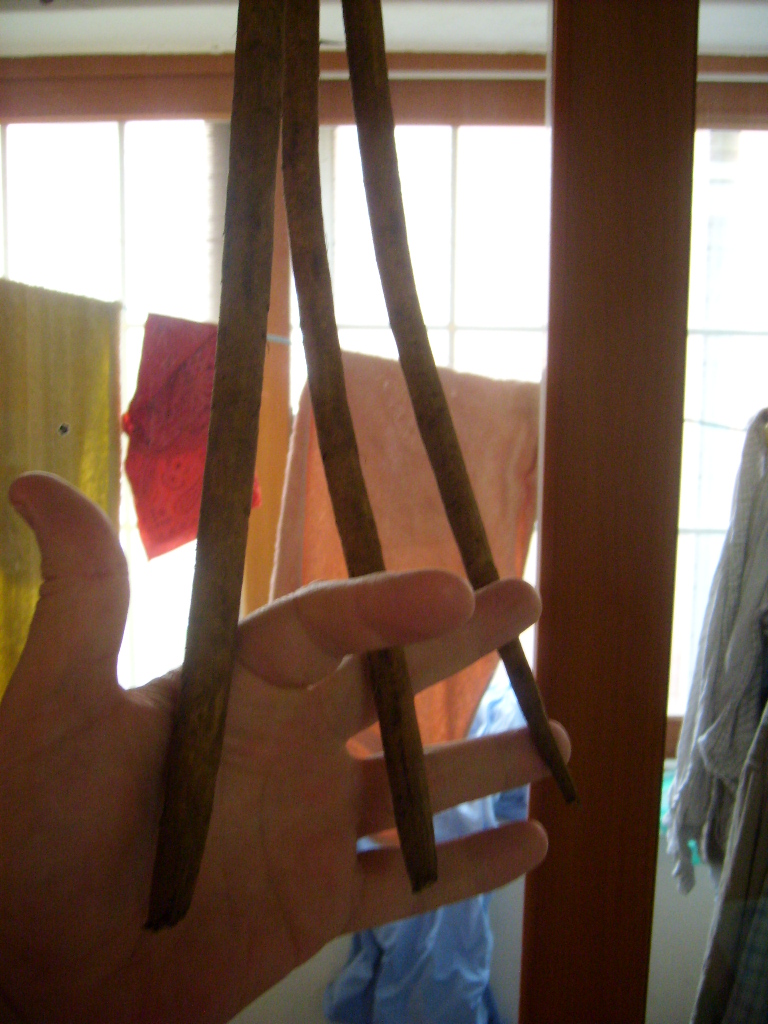
Burdock, wu-weong (우엉) Limper than a lettuce!
The incredibly popular, ‘Boys over Flowers,’ which has among other things, helped lower the fan-base age associated with the ‘Korean Wave,’ consists of 29 episodes following the intrigues of a group of high school boys. The four central characters, often refereed to as ‘F4,’ have been attributed with consolidating the interest in ‘flower boys’ and encouraging men to take more pride in their appearance. As a result, significantly more Korean men now use cosmetics and the current trend for teenage boy fashion is what Americans might call ‘preppy.’
‘Boys over Flowers‘ (꽃보다 남자) was inspired by the Japanese bi-weekly manga comic, Hana Yori Dango, by Yokio Kamio and ran from 1992-2003. The magazine was targeted at Japanese high school girls. I find the title, ‘Boys over Flowers,‘ a little clumsy and feel ‘Boy’s before Flowers,’ a frequently used alternative, much clearer. The title is a pun on the Japanese saying, ‘dumplings before flowers’, which refers to the habit of being more interested in eating snacks than viewing the cherry blossom during the famous Hanami festivals. It is the snacks and festival foods that are the most alluring; the blossom simply provides an excuse to indulge. And if you’re not eating the snacks, you’re probably watching the passing boys, especially if they are as beautiful as the blossom.
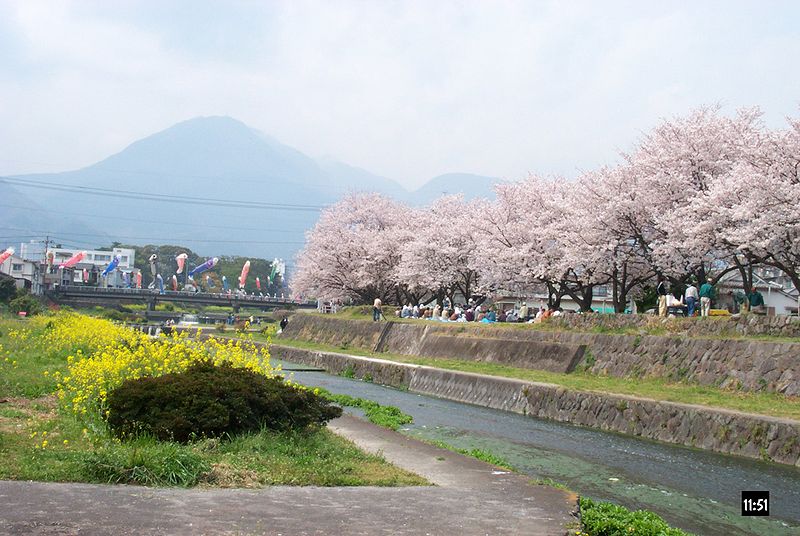
A Japanese hanami party. Beautiful blossom, beautiful boys, delicious food. What’s your priority?
‘Flower boys,’ basically meaning ‘pretty boys,’ is not in the least offensive and Korean youngsters, even boys, are able to differentiate between those who are ‘handsome’ and those who are ‘pretty.’ Neither identifying someone as ‘pretty’ or indeed being labeled ‘pretty,’ implies any accusations of homosexuality or effeminacy.
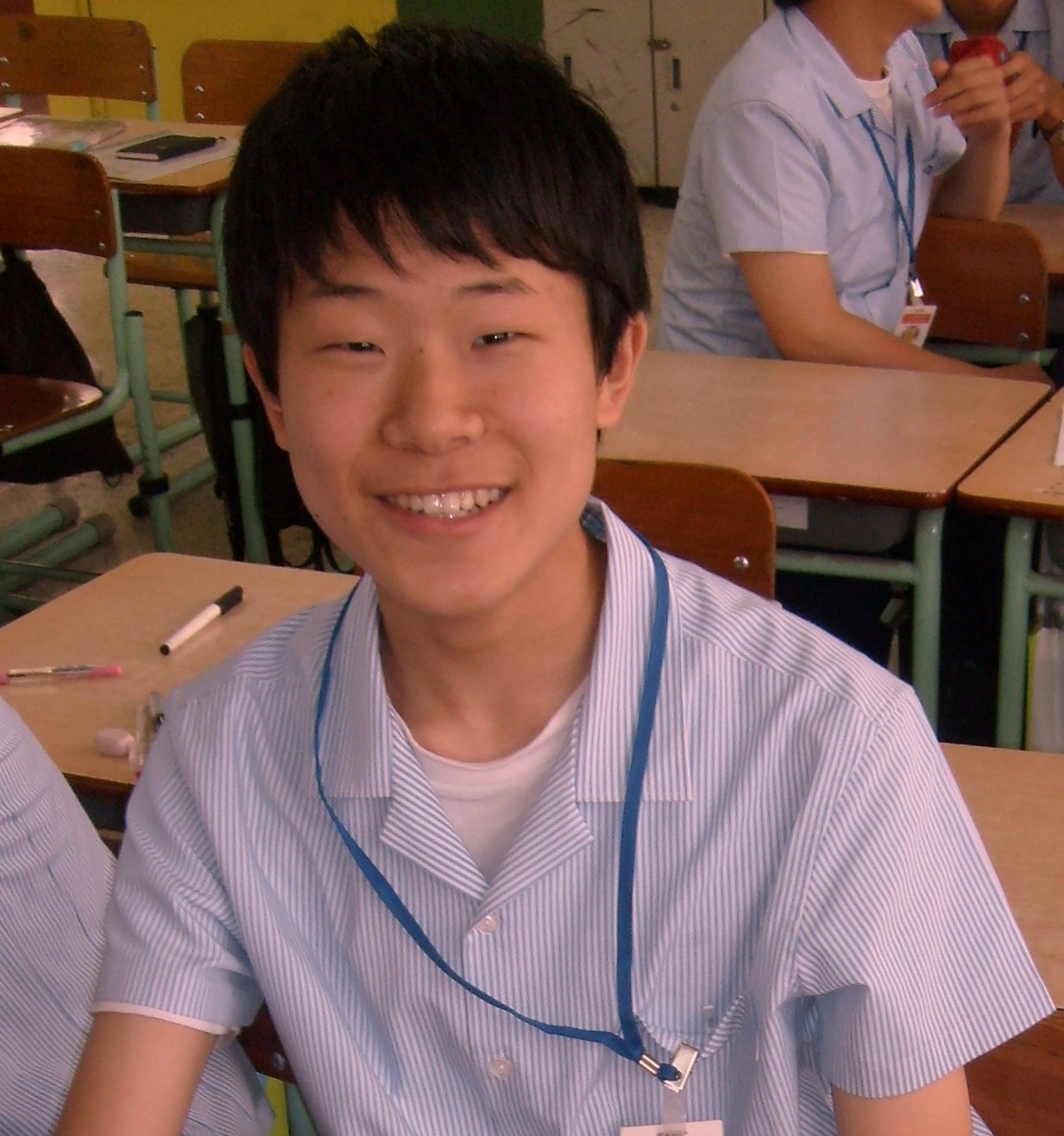
A boy nominated by his class as a ‘pretty boy.’
‘Pretty boys’ have delicate features, soft skin, and are usually a little gaunt and certainly very androgynous. In terms of western, and certainly British standards, they’d babyishly be deemed ‘gay’ and might even get the shit kicked out of them. Korean ‘flower boys’ can also get a rough ride, not because they’re gay, but because of their pin-up status and ability to capture the hearts of girls and women. One significant mystery-comedy movie, ‘Flower Boys,‘ often called by the crappy title, ‘Attack of the Pin Up Boys’ (2007), centers on the theme of ‘flower boy bashing.’ There’s no pleasing thuggy straight men who will just as quickly bash you for being gay as they will for being heterosexual and a babe magnet. Of course, Attack of the Pin Up Boys is only a story and doesn’t reflect real life. From what I’m led to believe however, the biggest problem ‘flower boys’ face, is in convincing girlfriends they are not ‘playboys’ (바람둥이) because they are often too pretty for their own good.

Leetuk, one of the Super Junior celebrities. A possible candidate for a ‘pretty boy’ nomination.
Unlike many British girls, Korean girls tend to like a boy who is well-mannered, slim and averagely muscled (which given we are talking predominantly about boys, means skinny), has broad shoulders, is fashionable and intelligent. Neither do they have to have a six pack or look manly. Indeed, a few of my female students positively dislike both aggressive boys and muscles. But the most important quality of all, one which constantly supersede all others, is that a boy has to be taller than his girlfriend. Girls can be quite cruel about this requirement and while talking to a class of girls about the celebrity Tae-Yang (태양), I overheard one call him a ‘loser.’ The reason? He is under 180 cm tall. Basically, if you’re a boy and short your fucked!

Taeyang Big Bang member. ‘Handsome’ or ”pretty?’
Though they wouldn’t understand the word even if explained to them, the definition most reflecting the sort of boys Korean girls like, is camp! In the very words of one of my students, ‘we’ like boys who ‘look like girls.’ And though ‘handsome’ boys, that is boys who look like men, are attractive and certainly seem to be preferable in terms of a solid relationship, many girls will swoon in discussions about ‘pretty boys’ even if they prefer the ‘handsome’ type.
Back in Scumland UK, when it comes to boys, many girls have no taste at all often because their priority is a quick rummage in their panties or a passionate-less poking behind the bike sheds and hence prefer boys who are one step up from brute primates and who are valued for being aggressive, butch, sporty, loud mouthed and promiscuous. If British girls demand any prettiness, it is that their lads be, ‘pretty unintelligent.’ Yes, I’m being horribly unfair but in the UK, currently riddled with anti-intellectualism, teenage pregnancy and sexual diseases, for many, any spark of brain is a turn off. The reason why the Korean predilection with ‘flower boys’ is so refreshing is that it is a kick in the mouth to the belief that the alpha male is universally appealing. I would go as far as to suggest that in Korea, even the boys and men who look like men pail into effeminacy when compared to the shaven heads and brute physogs of the men that dominant and epitomize so much of British culture. Meanwhile, if you’re a Korean girl with the stature of a pygmy or dwarf, life’s gonna be one big ride!
© 林東哲 2010 Creative Commons Licence..
Ersatz Kimchi in a State of Emergency
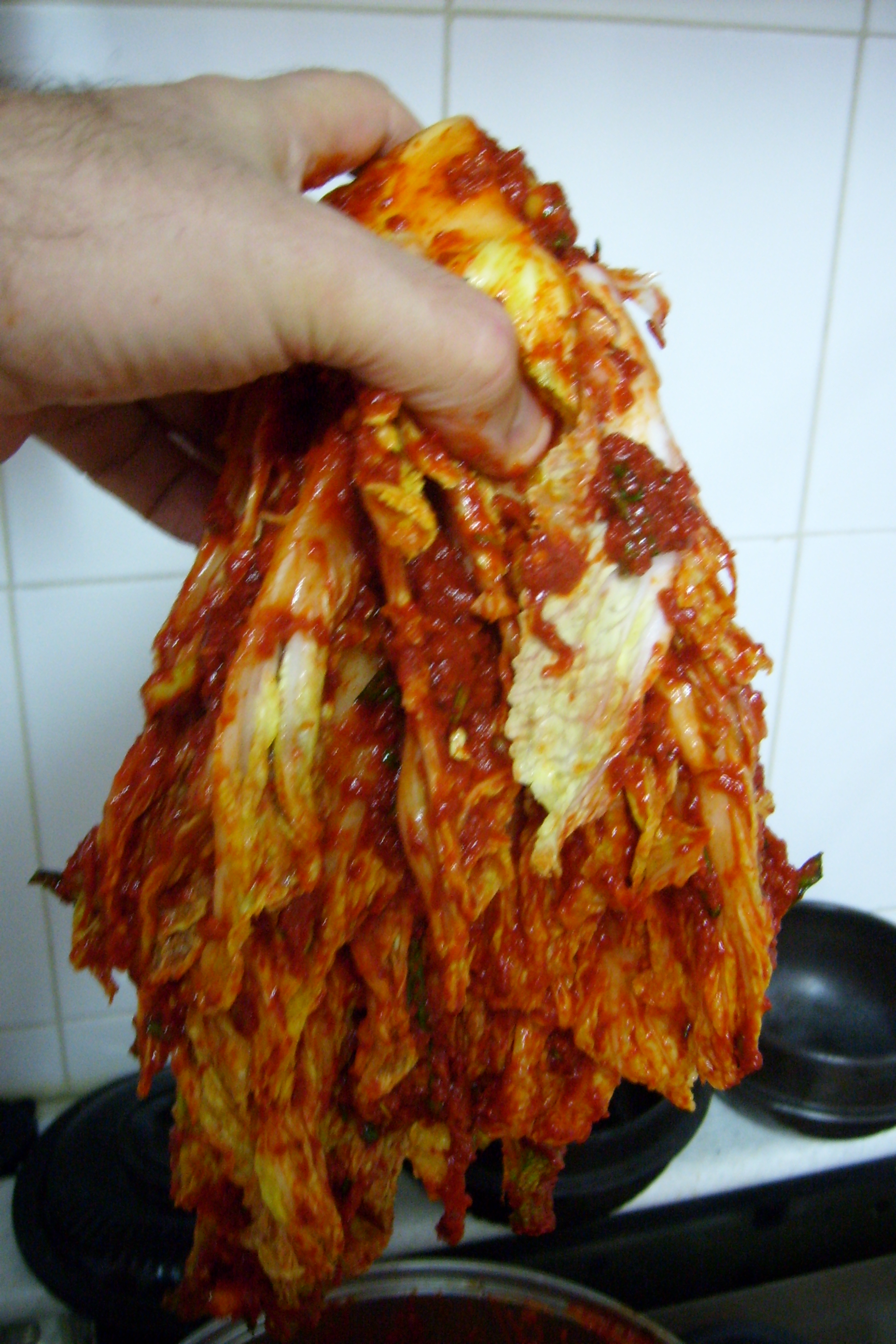
Kimchi-ism
I’m tempted to do some stealing! With an almost total absence of any police on the street I doubt I’d get caught. The only thing that puts me off is that being a waygukin, I stand out. It would only take one Korean to see me humping ‘the goods’ to my one room, for my visa to be relinquished.

Rooftop shopping? Either would fit in a carrier bag
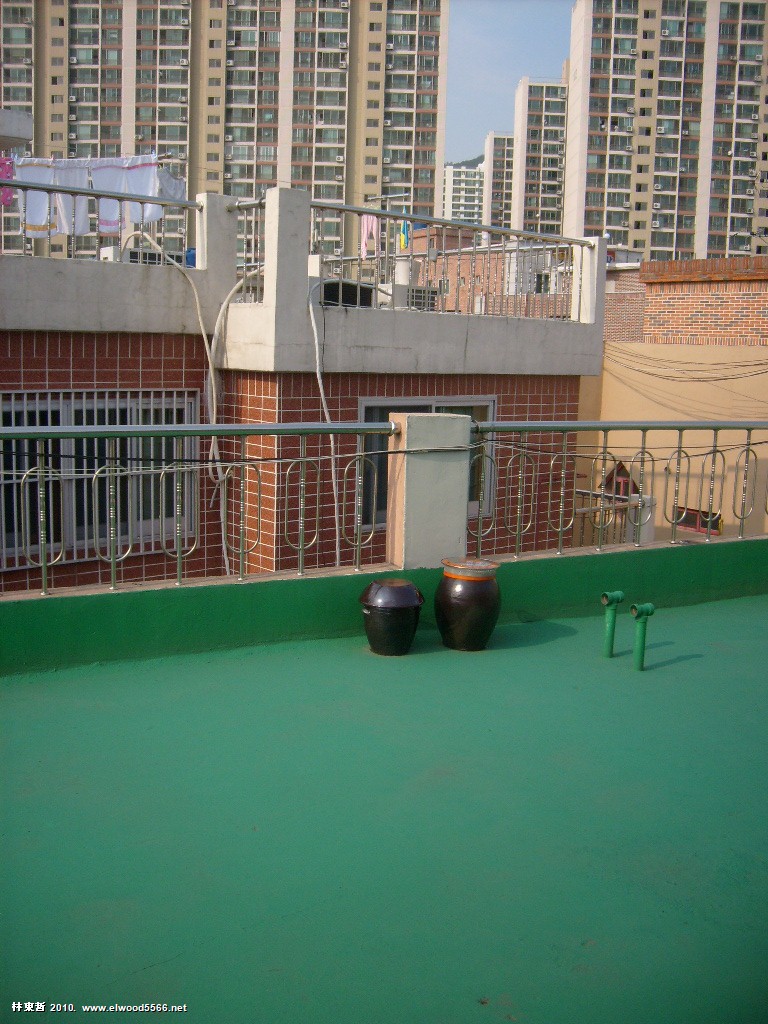
Rooftop shopping? These require a trolley
I haven’t eaten cabbage kimchi in several days and I’ve noticed either a stark absence, or drastic reduction of any in restaurants. Korea without kimchi, unbelievable! You have to live here to understand the cultural and culinary significance caused by a cabbage shortage. You might find it amusing that a lack of cabbage can fuck a nation, especially when you come from a country like Britain where once upon a time, when families practiced that barbaric ritual of eating meals together, children had to be forced to ‘eat their greens.’ While Kimchi is the national food of Korea and has almost iconic status, its deficiency is not the equivalent of Germany without bratwurst, or Britain without fish and chips, it deeply more devastating. I would go for months without a bratty when I lived on Mainland Europe and sauerkraut was something you ate occasionally. Koreans eat kimchi with every meal and in some cases it is a core component of specific meals. To understand the significance of a kimchi-less Korea, you have to envisage Britain without any form of cooking oil, or potatoes, the USA without hamburgers, or perhaps even a nation without petrol or alcohol! Whatever item you choose in an attempt to elicit empathy, it has to be something fundamental enough to strike at the very heart of a country.

Napa Cabbages October 2008
And of course, it isn’t just the Chinese (or Napa) cabbage that’s suffered a devastating season, cucumbers, lettuce and mooli (무), all of which are used in other forms of kimchi or in accompanying barbecues, are also in short supply. Two weeks ago, I bought a rather small cabbage for 5000 Won (£2.50) which is a massive increase on the hearty one I bought in January, costing 1000 Won (50 pence). Yesterday, in E-Mart, there were no cabbages at all and the vegetable section looked somewhat deserted. And all at a time when cabbages should be one of the most prolific items being sold by street vendors.
President, Lee Myung-Bak’s, recent declaration that he will only eat kimchi made from the European type of cabbage (양배추), until the shortage abates, suggests the problem is a national emergency. However, before we join the rebellion or start lynching farmers, it is worth remembering there was a temporary shortage last year and in 2007, when chili and cabbage suffered bad harvests, it cost me a small fortune to make a batch of kimchi.
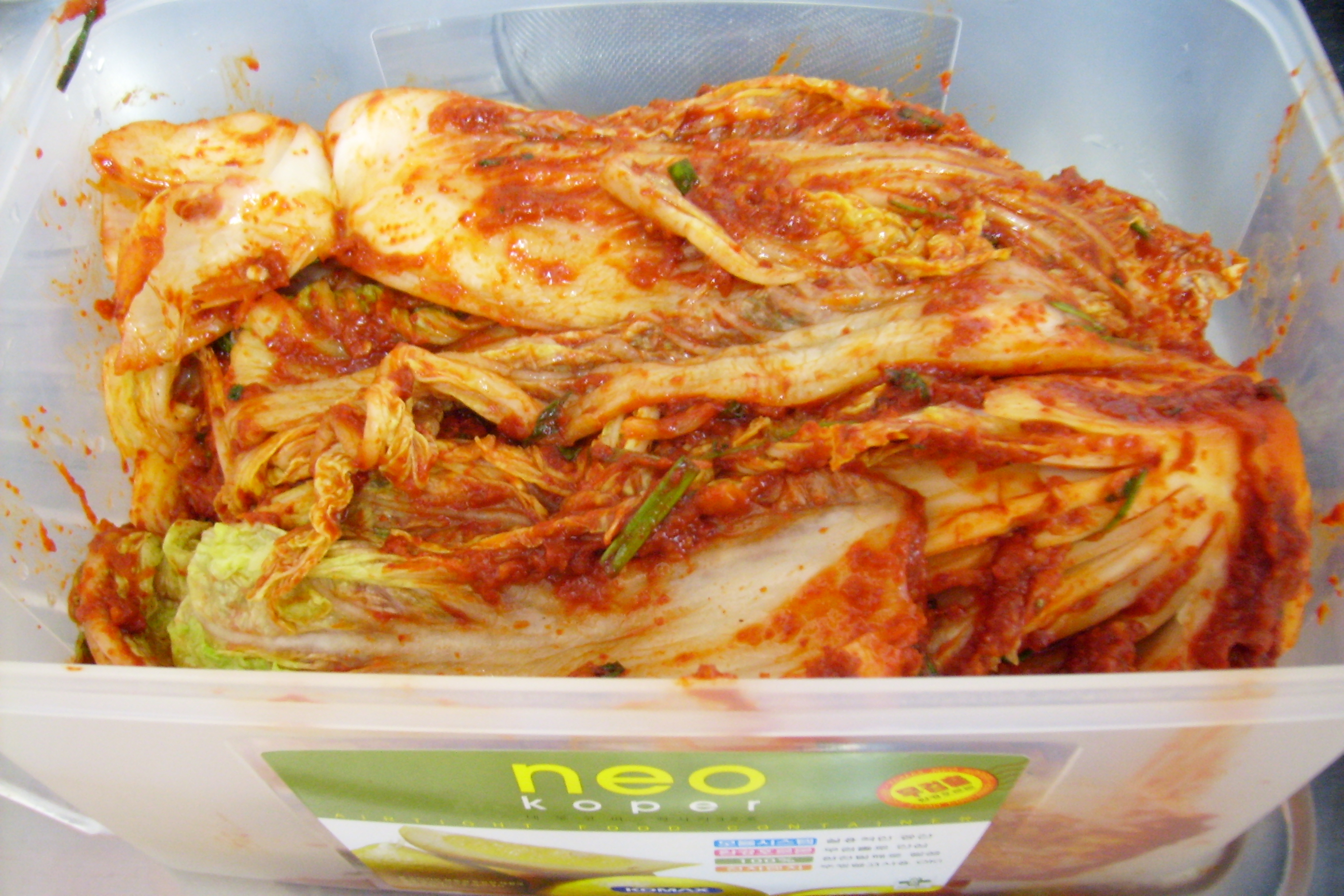
My January batch of kimchi
Meanwhile, restaurants that rely on kimchi and other forms of lettuce and cabbage have had to reduce their portions and in some cases, rather than raise prices, are compensating customers by providing larger amounts of meat. As a meat guzzling waygukin, I’d much rather have less rabbit food and a larger platter of barbecued pork, especially as kimchi made from European cabbage is totally ersatz.
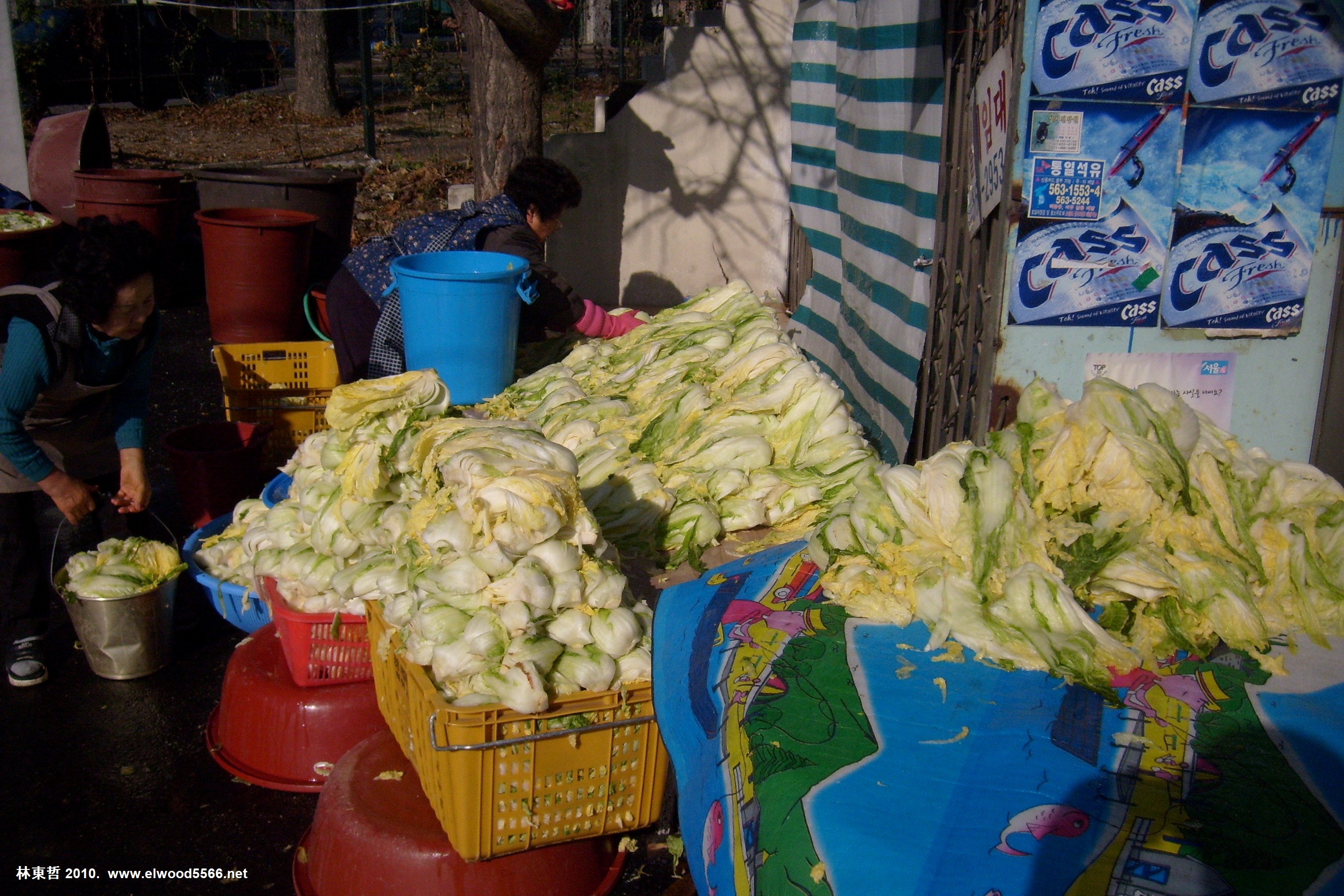
Cabbages being salted. October-November 2008
I’m out of fresh kimchi and intended making my winter batch this month and while I have kimchi in my ceramic pot, made in January, it is the ‘stagnant’ type best used in cooking. So, do Koreans ever steal each others kimchi ? There are a number of pots on my roof top and indeed pots stand on most rooftops as well as in recesses and corners of buildings. I’m very tempted to pinch a pot, not because I need kimchi but because nicking kimchi is both outrageous and comical. A waygukin stealing a pot of someone’s homemade kimchi during a cabbage shortage smacks of pro-Korean-ism and a love powerful enough of driving you to theft could be construed as a crime of passion.

There might not be any kimchi in the supermarkets, but there's a feast of it on every rooftop.
Related Articles
- Surging Kimchi Prices Bite Restaurants (online.wsj.com)
© Nick Elwood 2010 Creative Commons Licence.
For Pied and Dabbled Things

fascinating - or ''just' (그냥)?
Back in Scumland UK, the greatest disruption to a lesson would be two students having a fight, possibly assaulting the teacher or simply a student calling you a ‘fucking wanker.’ In Korea, a similar level of disruption is achieved if an insect flies into the classroom. No! I’m not referring to a gigantic hornet or a preying mantis; pandemonium can be unleashed by a simple house fly. On such occasions, students will duck their heads and even move to the other-side of a class and until the insect is removed or killed, all teaching is likely to cease. I know students, teenage boys, who will squeal and panic, if a butterfly flutters into the classroom.
I have seen some beautiful butterflies in the mountains, some the size of small birds with brightly coloured wings. As a schoolboy, my fondness for butterflies was inspired through collecting and trading cards that came with a packet of Brooke Bond PG Tips Tea. Although I’ve noticed dragonflies are admired, some kids even hate butterflies, one of the most majestic and harmless of insects. In Korean, it seems many people relegate most bugs to the same category as cockroaches.

Launched by Brooke Bond (tea) in 1963, this series of cards probably inspired my interest in butterflies
Koreans seem to have a general dislike not just of insects, but bugs in general and ‘bug’ is the preferred term as this precludes having to differentiate between insects and arachnids and many other creepy crawly things. Indeed, terms such as ‘insect’ and the characteristics they exhibit do not seem as easily understood as they might be in the west. The problem of nomenclature, despite biological taxonomy, is obviously cultural but I wonder to what extent it reflects a general disregard for nature in general, especially in a society which has so rapidly become highly urbanized.
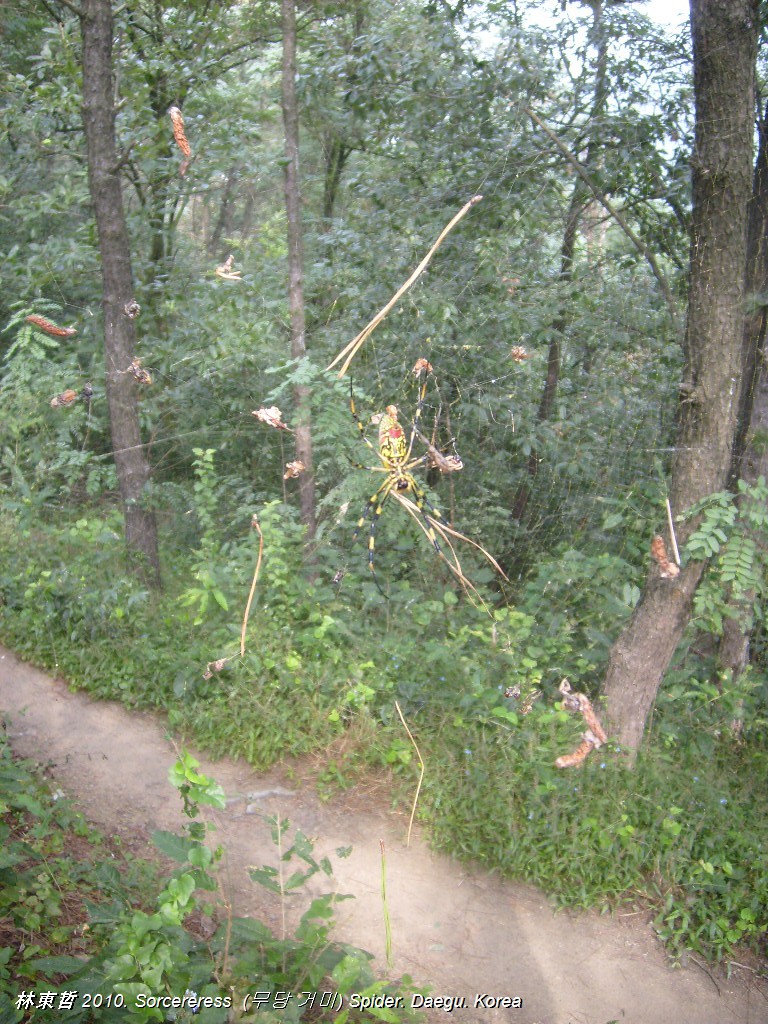
'Just' (그냥) a spider!
Korean students, and many adults I know, seem not just oblivious to nature, but indifferent and unmoved by it. Of course, I am making a sweeping generalization and fully aware many Koreans are quite the obverse as I often come across Korean nature, and nature photography blogs on the internet, but I nonetheless experience different attitudes from students and friends than I would back home. Several years ago, on a mountain trail in Ch’eonan, I was privileged to see a fox posing in profile. My fellow teachers all insisted that either foxes do not exist in Korea or that I must have seen a cat. You simply cannot confuse a cat with a fox, especially having seen the fox motionless and in profile! Every child will give you the correct name when you describe a magpie, one of the most common birds even in urban areas, but describe a jay, a common sight in the mountains, and most will have no idea of its name (산까치). The impressive sorceress spider (무당 거미), with their expansive webs dusted in a powdery yellow, and abdomens emblazoned with red and yellow markings, to all but one of the people I asked, were ‘just’ (그냥) spiders. Wasps and hornets suffer a similar fate and are often clumped together as bees (벌). And then I’m told figs trees don’t grow in Korea when there are several growing in my vicinity.
The reason I am so keen as to Koreans attitudes about nature is that most dictionaries fail to distinguish species and sub-species and hence I am compelled to make inquiries. I often encounter problems trying to discover the Korean word for particular animals or plants. For example, Koreans have a number of different names for ‘octopus’ (낙지, 문어) and will often insist that they are different from each other but this difference has more to do with ‘octopus’ as a food, rather than ‘octopus’ as a species. In Britain, we have a similar problem with ‘sardines’ and ‘pilchards,‘ both different size herrings and most of us differentiate them by the shape of can they are bought in. Sardines, as juvenile pilchards, come in small flat tins whereas the adult pilchard, comes in a round can. I doubt many Brits are capable of differentiating between sardines and pilchards in any other way than by the type of can they occupy when dead and ready to eat.

This is a pilchard
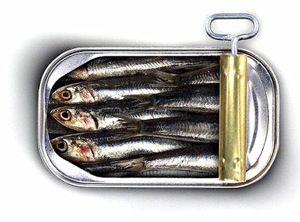
This is a sardine
Differentiating between rats and mice is also problematic and if you tell a Korean you had a mouse in your house, or even had one as a pet, they will recoil in horror. Despite ‘mice’ having a distinct name (생쥐), they are conflated with rats (쥐) and only by describing a rat as having a long leathery tail, can you be understood. Exactly the same occurs with chipmunks (줄무늬 달암쥐) and squirrels (달암쥐) both of which are described as ‘squirrels.’ (다람쥐) Yes, chipmunks are a form of squirrel but they are quite distinct from squirrel squirrels. Indeed, several online dictionaries I consulted identified both squirrels and chipmunk, as squirrels and despite chipmunks being common in the nearby mountains, most people I asked either did not know what they were or simply identified them as ‘squirrels.’

A rat - big, dirty and loves sewers and shite
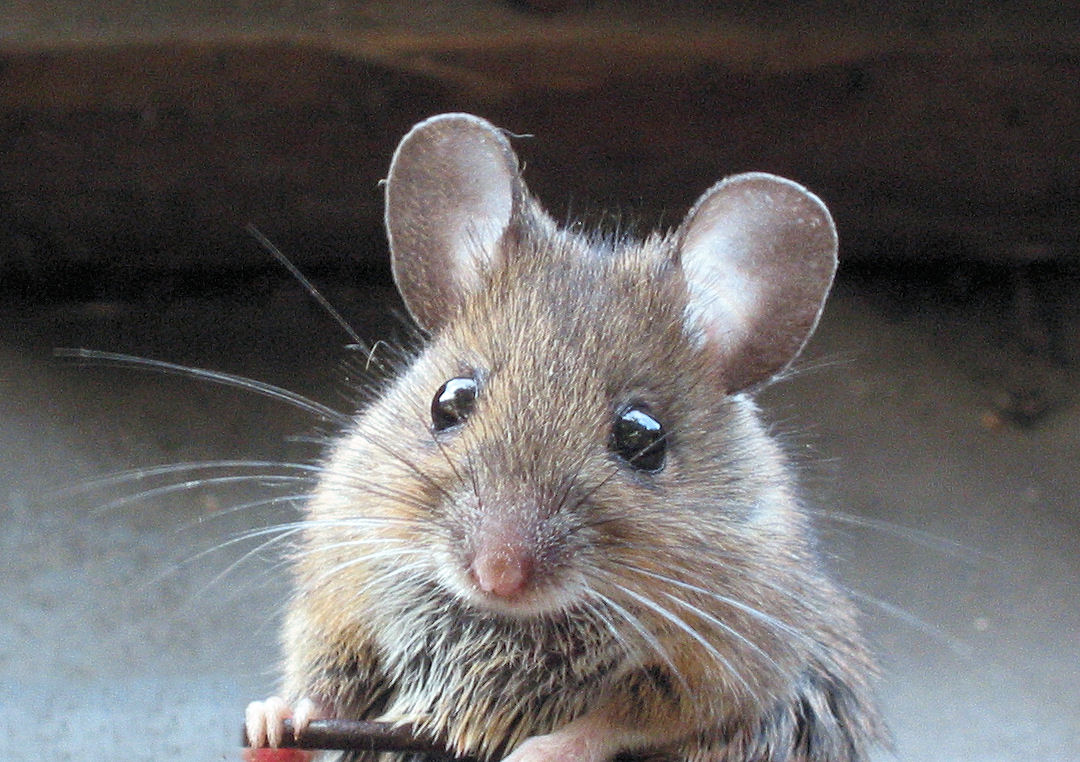
This is a mouse - small, cute, lives in fields and is a veggie
On another occasion I was with friends in the Kayasan Mountains and noticed what looked like clumps of mistletoe high in the trees. I was excited because I’d not seen mistletoe in Korea and it was prolific and thick. Mistletoe is a parasitic plant which grows in the uppermost branches of trees, the seeds being deposited via bird droppings. Not only did my friends have no idea what is was, but they weren’t very interested. As we were coming down the mountain, I noticed bags of ‘clippings’ being sold to make tea and was able to confirm it was mistletoe (겨우사리).

mistletoe can be seen growing in clumps in the high branches (Kayasan, Heinsa)
In early summer, I was looking at plants, along with a close friend, being sold by a street vendor. She was quite impressed that I was able to identify tomato, aubergine, thyme, rosemary and courgette seedlings as well as larger jade and citrus plants. She had no idea that tomato plants have a distinct smell that is imparted onto your hands if your touch them. My poor friend could only identify a chili plant and asked the vendor to name the plants to corroborate my claims.
It worries me that so many young Koreans are uninterested and uninspired by nature, if not fearful of it, because the easiest means by which species will disappear, is when there is no regard for them. In dystopian novels such as Huxley’s, Brave New World, Zamyatin’s, We, and to a lesser extent, Orwell’s, 1984, nature is perceived as abhorrent, distasteful, imperfect and dirty and hence requiring banishment beyond the confines of ‘civilization.’ Once there is a general dislike, or simply disregard for nature, or even people, and before you know it, the damage has been done. All political and social atrocities are born out of an attitude of dislike, disinterest or loathing and the same can be said of environmental atrocities.
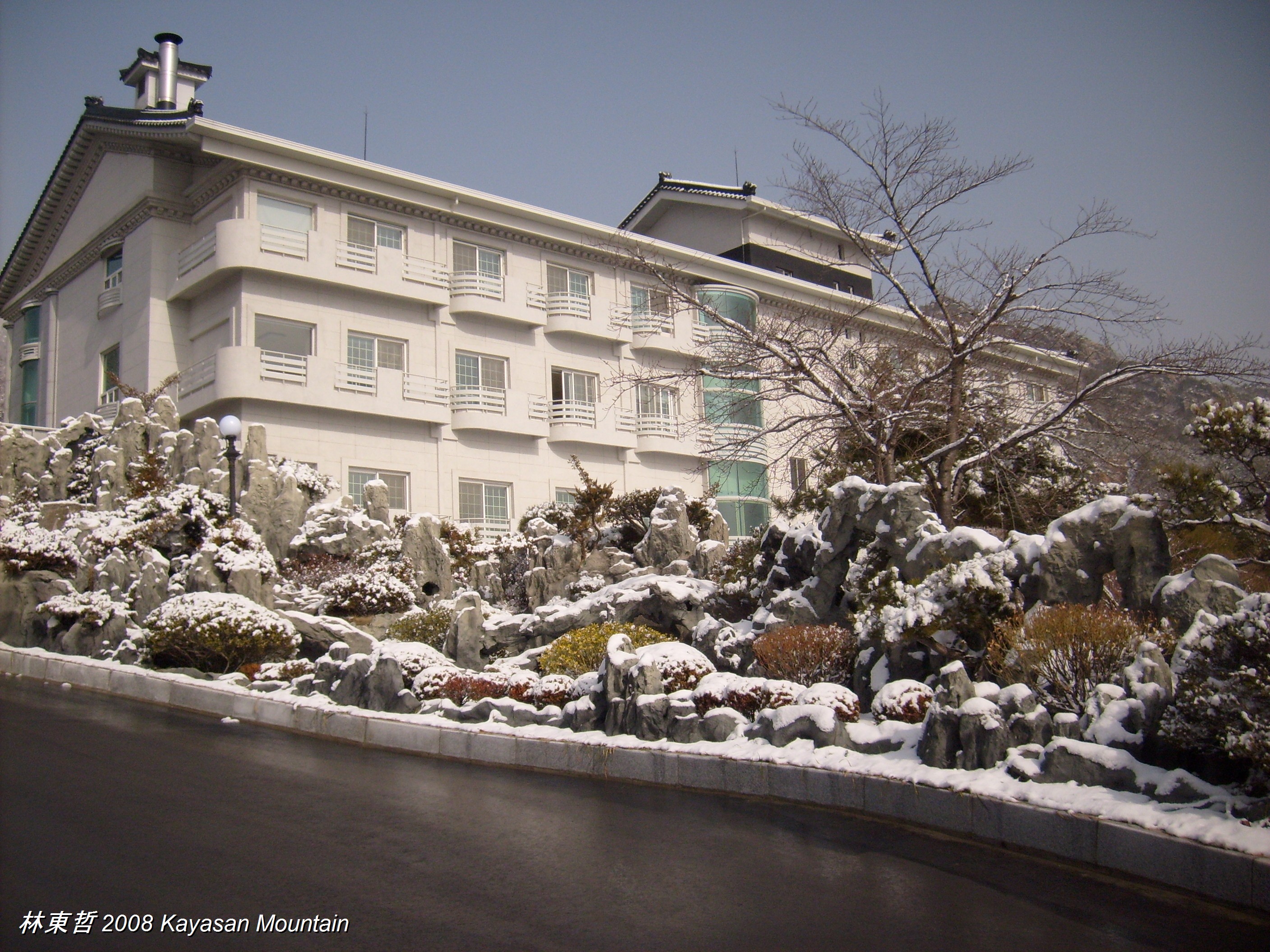
The impressive Kayasan Hotel
In Kayasan Mountain, behind the impressive Kayasan Park Hotel, next to the nature trail entrance, is a natural history museum in which are housed an extensive collection of insects which are either extinct or endangered. Some of the insects, all dead and mounted, are of gargantuan proportions, some as much as three or four inches long. The gargantuan insects that once lived in the mountains of Korea, with their chunky exoskeletons and long antennae, fascinated not just me but the numerous Korean children, ooo-ing and ah-ing around me; ironically, the same children who yelp, scream and panic when a house fly buzzes into the classroom. It seems that for many, nature only has the power to inspire wonder and awe when it’s dead, mounted, sanitized and safe.
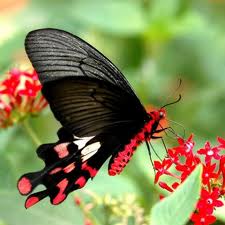
Capable of causing panic!
© Nick Elwood 2010 Creative Commons Licence.
Bathhouse Basics (9): – The Hot bath (열탕)
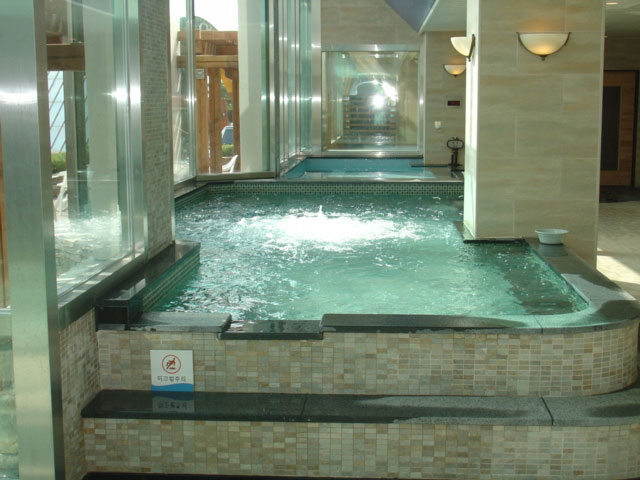
A typical yeol-tang (열탕)
The yeol-tang, (열탕) is the hottest bath in a bathhouse with temperatures somewhere between 38-48 degrees. As always with pools that are at the extremes, bathhouses often keep them at around specific temperatures and these may vary depending on the season. Hence the hottest and coldest pools vary between establishments. If you have aching muscles, for example, you might prefer the hotter end of the scale.
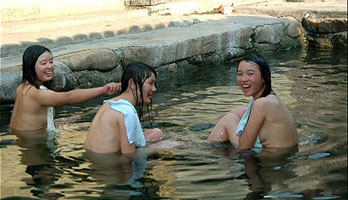
Having fun in a yeol tang
Sometimes yeol-tang are built with health inducing stone and in some cases plated with gold or silver, in which case they will be small. The most common stone is probably jade. Sometimes they may also have a jacuzzi or contain medicinal herbs in which case they may be called a han-yak-tang (한약탕), but this may not necessarily be the hottest pool.

a hot pool in a golfing complex
Among the various bathhouses in Song-So, Daegu, Migwang (미광) has one of the hottest yeol-tang which is usually between 48-50 degrees, whereas Hwang-So (황소) is usually much cooler but recently the temperature gauges have not been working. Han -Seong (한성) for many years had a very hot han-yak-tang but in the last few months the temperature has been lowered and the largest pool, with an intermittent jacuzzi, has been designated the hottest pool. I don’t know if it is intentional, but Samjeong Oasis (삼정 오아시스), at Yong-San-Dong, has a yeol-tang which seems to operate between between two temperatures and when the pool cools to a certain temperature, it suddenly heats up.

relaxing
© Nick Elwood 2010 Creative Commons Licence.
Bathhouse Basics (8): The ‘Special Event Pool’ (이벤트탕)

- a ‘special event pool’ (이벤트탕)

I’ve always found e-bente-tangs to be the biggest disappointment in bathhouses and always a tongue-in-cheek anti-climax. I can remember sitting in e-bente-tangs in the past, waiting for something to happen and rarely anything did. Most often, the ‘event’ I anticipated was already in play. Don’t let the title mislead you, e-bente-tang are much like the ‘Korean holiday,’ or ‘final exam,’ by which I mean they are usually the opposite of what they claim to be.

- Special event pools outside

E-bente-tang are smaller sized pools which are usually mid range in terms of temperature and which have some added feature such as: coloured or scented water or coloured lighting radiating from within the pool. They may also uses a combination of features or have the capabilities of a jacuzzi.The most frequent colours are green, red or blue and the most common scents are ginseng, lavender, berry, herb, mugwort (쑥) and pine.

- Coloured water ‘event’ pools’

Despite being less eventful than the name suggests, e-bente-tang are great places to relax and are often one of the pools in which you can languish for long periods without getting too hot or cold. The addition of coloured water or aromas adds a touch of pampering to the experience.
© Nick Elwood 2010 Creative Commons Licence.
Food to Put Hair on your Chest

Klingon Gourmet – Food to put hair on your chest! Raw stomach and liver!
‘Klingon’ was how I used to describe Korean food in my first six months of living in Korea. I’m sure many of the first Koreans I met, and probably everyone meets on their initiation into Korean culture, enjoyed taking me to places where eating was either a trial or simply difficult. Everything seemed to be either raw, alive, recently butchered, or some part of the animal associated with intestines or anuses. Even the infamous dog stew is almost an English Sunday dinner in comparison to some of the ‘Klingon’ menu. I’ve eaten dog meat twice under the assumption it was another meat and masked by copious soju, was unaware. Not the same can be said for some of the other foods which would chill your spine in all but the most extreme states of intoxication. And if the initiation to Korean cuisine isn’t focused on eating as a test of will power, basically of suppressing revulsion, getting it into your mouth is problematic.
No matter how good a westerner’s chopstick skills are, eating a bowl of noodles without a splash zone encompassing anyone sat at adjacent tables, is difficult. Usually, it’s the final little suck that whips them into the mouth and flips soup broth over yourself and your neighbours. Eating noodles is an art and Koreans only have to purse their lips as if kissing, for the noodles to levitate into their mouths. Only Koreans seem able to eat noodles so effortlessly and without actually sucking and hoovering them. Eating buckwheat noodles, traditionally eaten chilled in a broth, in the summer, is weird. If I didn’t cook naengmyon (냉면) myself, I would assume the noodles were several meters long because as you start to suck them up, more and more are dragged up into your mouth. Naengmyon must be the only food where one end arrives in your stomach as the other end is leaving your bowl.

Barfing up ectoplasm? No, but a great photo which captures the art of eating buckwheat noodles. Once you start you can’t stop!
But there are stranger foods for the ‘gourmet’ and the naive to ‘stumble’ upon: Sea squirt (멍개), the Jekyll and Hyde of Fruit de la mare, has flesh which is beautifully orange and inviting, resembling a juicy peach but the outside looks more like a biological hand grenade genetically modified from a bloated tumour. The detergent taste of its flesh certainly cleanses your palate as does the watery bile from the innards of the closely related, styela clava, midoedoek ((미더덕), which I’d trade for a silkworm cocoon or spoonful of dog-stew, any day. Then there’s ‘dog dick’ (개불 – Urechis unicinctus), which resemble large pink worms and which you’ll enjoy far more if you haven’t witnessed them in their living state. The rubbery bodies are tasteless but coated in sesame oil, they slip down the gullet with ease.

the vegetable-leaf wrap (쌈) typifies much of Korean eating
Raw fish, often killed at your table or within sight, is a mild experience, though I have to put a tissue over the heads of fish when their eyes twitch manically as they are being slowly sliced to death. And raw meat thinly sliced and eaten in a similar style to the fish, that is wrapped in various leaves (쌈) with kimchis, garlic and chili, is fairly tolerable; at least you haven’t watched the cow being slaughtered but raw liver and stomach are certainly not my choice for a delicious meal. I ate raw stomach pissed and nearly gagged and the liver I mistakenly took for acorn curd (도투리묵). In the restaurant’s lighting the colours weren’t so distinguishable.

Raw liver (생간) prettied up with sesame seeds…

acord curd (도투리묵) sprinkled with sesame seeds
If you like healthy snacks, nothing could be more natural and packed with protein than silk worm cocoon (번데기). Indeed, the silk worm was an important food along the silk routes though Chinese silk worm is generally much larger than the type eaten in Korea.

Chinese silk worm snacks – meaty!
Being pissed helps swallow this delicacy and a chaser of soju or beer will purge the mouth of the muddy flesh but will do little to remove the aftertaste which incidentally, tastes exactly like the smell they exude while being steamed. A toothpick is a necessary to dig out the numerous shards of exoskeleton that lodge between the teeth. In reality, eating this should be no different from eating a prawn or shrimp but of course the dislike is cultural and as Herodotus said, Nomos is king of all.

you can definitely taste the land in the flesh of a silk worm (Korean silk-worm)

Not my bag!
Grasshopper (메뚜기), coated in red pepper paste (고추장) is another crunchy, healthy snack and I know a few students, usually boys, who eat these and silk with as much enthusiasm as many kids eat candy. However, cultural chasms are narrowing and this year a London pizza restaurant started serving a grasshopper topping.

How to ruin a good pizza. All the rage? I don’t think so.
After a line up of insects, barbecued intestines (막창) are un-adventurous, especially after a soju and even the infamous chicken’s arse hole (똥집), in reality the gizzard which functions as a secondary stomach, or chicken feet (닭발), are palatable.

Chicken feet, (닭발), spend most of their life walking on shite and where’s the meat?
For a real experience, you can try saeng-nakji (생낙지), small octopuses swimming in a sea of sesame oil and swimming they are as they are still alive. Whether it is urban myth I am unsure, but apparently, a small number of people choke to death every year from octopi which refuse to go down without a fight.

Nakji (the small octopus) often eaten alive.
I love black pudding but some cultural obstacle stops me enjoying, sun-ji-guk (선지국) which is basically soup made with blood. Sundae (순대), is pig intestine sausage stuffed with noodle and vegetables but I find it difficult to eat perhaps because it often appears in small road side stalls accompanied by pigs intestines, and boiled lung. Most of the food you’d class as ‘Klingon’ are the types of food Koreans believe increase a man’s virility, ‘put hair on your chest,’ and are usually predominantly eaten by men (and in some cases boys). Korean food tends to leave you either in a cold sweat or totally impartial and so many examples are simply – ‘okay,’ or as Koreans might say, ‘just’ (그냥). Personally, I don’t think Korean food rates alongside Cantonese, Thai, Indian or Mexican, but there is nonetheless something alluring and fascinating about it. However, one shouldn’t think their culture aloof, I can remember, as a boy, eating pig feet and distinctly recall the bristly hairs on the shins that tickled your chin as you gnawed the meat. I can remember my mum cooking tripe, probably the only meal she cooked which I couldn’t eat and occasionally, I’d arrive home on Saturday afternoon to the welcome of a pig’s head bobbling in a pot as my father prepared brawn. When I was still a teenager I can remember traversing Limassol, Cyprus, trying to find a restaurant that served cow brain, a supposed local delicacy. Thank-god I never ate it! Most of the food we would class as ‘gross,’ we unwittingly eat, pulverised to a paste in potted meats, formed into patties or luncheon meats or destined to appear in those famous anatomical dumping grounds, the pork pie and the sausage.

Like northern English black-sausage
But don’t worry, alongside the foods fit for a full-blooded Klingon, are the burgers, pizza and fried chicken we waygukin love so much. Burgers, I can leave; I don’t trust them and the patties just don’t look like meat. At least with Korean ‘horror food’ you know exactly what you are eating, a silk worm is a silk worm but in the modern food industry, typified by the USA and Europe, knowing exactly what your food consists of is becoming both a secret and a rapidly disappearing right. And have you noticed when eating Korean pork, that it doesn’t drown the barbecue in water…?
© Nick Elwood 2010 Creative Commons Licence.
As Delicious as it Looks! (미더덕)
The first time I ate midoedeok (미더덕) it was hidden in a bowl of soup and probably bobbling under a slice of kimchi, either way, I didn’t see it. After wedging it between my teeth I crushed it and was shocked when it spat out a horrid sort of detergent. I almost threw up! I’ve never eaten midoedoek since and if I get any strange soup I dredge the bottom of my bowl looking for it. Don’t accuse me of being politically incorrect, I know plenty of Koreans who hate it.

Animal, vegetable, alien?
For years, I had no idea if it was animal, vegetable, or possibly alien, most likely from the Klingon home world! For a while I believed it may have been some sort of testicle and its texture confirmed this, a hard exterior, smooth and slippy with some dubious inner core, but there was an absence of any tubing and because it resembled a mammalian testicle, I was bewildered because, being not much bigger than an acorn, I couldn’t think what animal owned such a nut. Rams’ bollocks are huge, a pair being as large an weighty as a coconut, and there aren’t many cats in Korea and those silly little handbag dogs Koreans are into, the sort that are too flimsy to walk against the mildest breeze, their balls can’t be much bigger a peanut. So it must come from the sea, I thought. Do fish have bollocks? Or perhaps they belong to the octopus but balls are usually carried in a bag and I’ve never seen an octopus with a knacker sack! Well, my Korean friends seemed to have no idea what they were and were equally as mystified.

Related to the sea squirt (멍개)
Then I discovered, they are related to the sea squirt and that monster of a tumour, the mongke (멍개), which also tastes of detergent. You can see midoedoek in the street markets and supermarkets and you either love them or hate them – a bit like olives really, which is interesting as they are the same shape and size. Unfortunately, they don’t have a common English name so, should you want to order them from your local fish market back home, you will have to ask for styela clava. Mmmm! Sounds as delicious as it looks which is why they are usually hidden in the bottom of your bowl of seafood soup….

Midoedok (미더덕), Styela Clavca get erect when hungry and look like this!

Fondling them obviously causes arousal. A particularly long styela clava. Why are so many Korean foods phallic?
© Nick Elwood 2010 Creative Commons Licence.
Hwang-So Sauna, Song-So, Daegu (황소)

Hwang-So Sauna (황소) Mega Town Complex, Song-So
First visited November 2008. Last visited on November 25th 2010. Hwang-So Sauna is misleading because the establishment is a jjimjilbang which of course means it has an adjacent bathhouse (목욕탕). As yet, I haven’t visited the jjimjilbang and so this review is primarily concerned with the bathhouse (목욕탕).
This bathhouse is impeccably clean and modern and the only reason I prefer Migwang is I find the low ceiling in the changing area claustrophobic. Being 1.95cm tall, my head almost touches the ceiling and the changing area by the lockers lack poofes or benches. The actual relaxation area (휴게실) is more comfortable with a normal ceiling and sofas, television a barbers and shoe shine.
The bathhouse (목욕탕) is on the small side with low-level lighting due to the black marble walls. I like the floor as it is a rough texture and unlike many bathhouses, slipping isn’t such a hazard. The central features are three circular pools, a warm pool, (온탕), hot pool (열탕) and a the ever-present e-bente-tang (이벤트탕). Over the three pools, and matching them in size are enormous circular, low output lights. Beside the three circular pools is a therapy pool. At one end is a large cold pool (냉탕) which is accessed by steps which take you up and into the pool without having to clamber. This is the best designed cold pool I have seen and the steps give it a ‘regal’ appeal and very much make the head of the bathhouse a significant feature. Personally, I like a colder pool in summer.
On the far side of the bathhouse as you enter, are various sauna which I have yet to explore and to the right of these, a traditional wooden pool (히노끼탕), and a tepid, shallow pool. The wooden bath temperature was 36 degrees. The temperature of the other pools was mid range, (the gauges weren’t working) with no pool being very warm or very cold. The e-bente-tang (이벤트탕) contained coloured water, on this occasion red which made it look like a Ribena bath.
The therapy pool was very strange and indeed more of an ‘event’ that the e-bente-tang. The jets of water that were supposed to massage your back were quite weak but the pool made the strangest rumbling noise that resonated in your stomach and made you feel on the verge of releasing an enormous fart. Whether or not this was its purpose or it was just noisy, I am unsure.
The atmosphere of the bathhouse was intimate and I like the subdued lighting. However, I have visited this pool when it has been busy and found it too intimate, personally I prefer a larger complex but on my last visit, a weekday morning, there were only three ‘bathers’ and I really enjoyed it.
Plan

Hwang So, Song So, Bathhouse Design (Male)
Location – 3 minutes walk from the Song-So (성서) industrial Complex subway station, actually on the same road, and situated in the Mega Town complex which also houses the Lotte Cinema. (Wiki Map link )
Times – 24 hour jjimjilbang and bathhouse.
Facilities – 8th floor, reception, women’s bathhouse. Bathhouse and jjimjilbang
Jjimjilbang – to be reviewed
Bathhouse (men) – fifteen stand up shower facilities and around thirty sitting down shower units, event pool, (이벤트탕), hot pool (열탕), warm pool with jacuzzi (온탕), large cold pool (냉탕) but no swimming is allowed, small tepid pool, therapy pool and wooden pool (히노끼 탕), various saunas, relaxation area, no poolside sleeping area. Massage and scrub down available. Large changing room, very comfortable and attractive, with television and sofas. Shoe shine and barbers. Comfortable, bright ‘powder room.’
Cost – bathhouse 5000 Won, jjimjilbang – . Monthly all-inclusive -.
Others – Parking. Mega Town complex has numerous restaurants and a large seafood buffet restaurant. There is also the cinema and various sports clubs. Very close to E-Marte and Keimyung University )20 minute walk).
Ambiance – relaxing, and intimate though a little small. Black marble, very clean, very comfortable.
Waygukin – Didn’t see any but I don’t frequent here on a regular basis.
Address – (see wikimap link above)
Hwang-So Updates
© 林東哲 2010. This work is licenced under a Creative Commons Licence.
Feeding Mummy's Milk

Fab!
I’m often amazed at the blunders Koreans make in translating English and anyone who has lived in Korea even a short time will have amassed some great examples. In my writing, I write little Korean but I strive to make sure my spelling is correct. Conversely, many Koreans are quite happy to widely publicise something in crappy English, probably under the assumption that if you can tag an English sentence on your product or business sign, it is invested with greater authority. The gaff isn’t so bad, and can even be cute, on a mug or bar of chocolate; I have an old notebook on my desk on which is an enormous strawberry which a couple of years ago, when new, was scented. A caption under it reads: I’ve got a loaf of strawberries.’ But my favourite, from a packets of smoked salmon, reads:
‘Around June to September, in a something sun, 3-5 year old well-grown salmon that have brilliant gesture and swim through sea and river along the blue and dear coast of the Pacific Ocean have very good quality of flesh and taste so good and have got praised as food of low-calorie. More than one century salmon has got praise of epicures all over the world. Salmon taste from soft to strong with many nutrients and special pink colour flesh create fantastic mood and taste.’

Nursery rhymes
Ironically, the crappy English actually spurs my taste buds in anticipation of that creamy, special pink flesh, unfortunately eaten many years ago. But when the ‘company’ or individual is involved in English education or aspires to be ‘educated’, it becomes a glaring error upon which an astute reader is going to base a value judgment. Online commentary on anything regarding education demands careful checking in terms of vocabulary, grammar and spelling and should one make even the slightest mistake, it can be expected that no matter how sound the argument, your credibility will be vaporized.
I quite like nursery rhymes! No! I don’t wander around my one-room singing them to myself but as a musician, I have an appreciation for their catchy melodies. The English composer Roger Quilter wove a very successful overture, a Children’s Overture, out of nursery rhymes which I frequently happened to play as a flautist in the British Army. Quilter was a student of the extremely eccentric Australian composer, Percy Grainger.
A year ago I bought a a set of two CDs in E-Mart, badly named, English Chants and of course, a nursery rhyme is nothing like a chant. However, out of the 160 songs, I thought I was sure to find a few of use especially with classics like Humpty Dumpty, Hickory Dickory Dock and Polly put the Kettle on, included.
It was only in a bout of boredom that this week, I perused the titles of the other songs:
Time to stetch – your guess is as good as mine but I’ll go for ‘stretch’.
Going to the friend’s house – no comments!
Going to the Pediatrician, Going to the ENT Doctor and Going to Orthodontist, presume the child is both acquainted with medical terminology and of a sickly disposition.
Going the Department – I can only guess is meant to be a ‘store.’
It’s a snack time – it amusing.
Want to go Potty – Who? Hilarious
Going Back from School – simply confusing!
On birthday – and whose birthday might that be?
But the king of all gaffs is, Feeding Mommy’s Milk. One still has to ask, ‘feeding mommy’s milk’ to whom? And the lyrics are classic:
Are you hungry? Are you hungry?
Feed mummy’s milk
And taste it good.
Sucking. Sucking. Sucking. Sucking
Mummy’s milk is good.
Are you done?
Hear it for yourself – drinking a glass of milk, especially with a straw, will never be the same again!
Click link below:
© Nick Elwood 2010 Creative Commons Licence.


 Elwood 5566
5 comments