Useful Hanja Sources 漢字
Hanja
I am absolutely no authority on hanja, the 1800 Chinese characters which have entered the Korean language and appear fairly frequently in newspapers and on hoardings. Everything I have learned about hanja has been self taught and probably pretty pointless given that I could have used my time increasing my Korean spoken ability – which despite much endevour is still totally at the totally beginner level. So, the sole purpose of any posts on this blog is to share information with others who are struggling to find meaning in those beautiful squiggles. This process is fraught with problems as I have never had the luxury of a ‘teacher’ who has been adept enough in English to render character meanings with precision and clarity and hence I find myself dragging bits of information from various sources few of which are designed for purely English speaking people.
There are numerous children’s television programs designed to teach children hanja, all of course, in Korean, and often based on the Thousand Character Classic. (千字文), as is a children’s play.
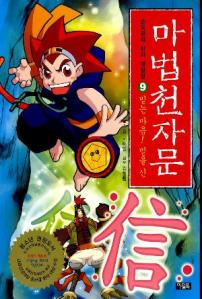
Link to: '문법천자문' Advert for the series book based on the 'Thousand Character Classic'
I’m quite sure this comic series has been produced for television and I’m currently trying to track it down. Another useful source, a series of lectures for adults, can be found on Daum. As expected, it is in Korean. (http://pino.peeringportal.co.kr/pino/install/check.htm) The Daum site has a number of lectures and if the blue pop up blocks the screen, press the white characters (이곳) and then the blue arrow exposed underneath.
A book is also available which is used in many middle and high schools (생활 한자 쓰기 교본) which cost about 5000 Won. It provides fairly straight forward visual guides lines for the balancing of the various components within a character. This is is particularly useful for more complex characters.
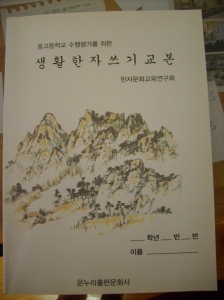
Middle school and high school hanja book. (2007)

Useful for the visual guide to balancing internal components of more complex characters
The most important aspect of trying to learn hanja is writing characters out. It’s probably not possible to learn hanja, unless you have a photographic memory, without writing them – hundreds of times! As with all other forms of writing resources, for English, maths, music etc, Korean bookstores and stationers provide a vast range of various types of hanja writing exercise books.
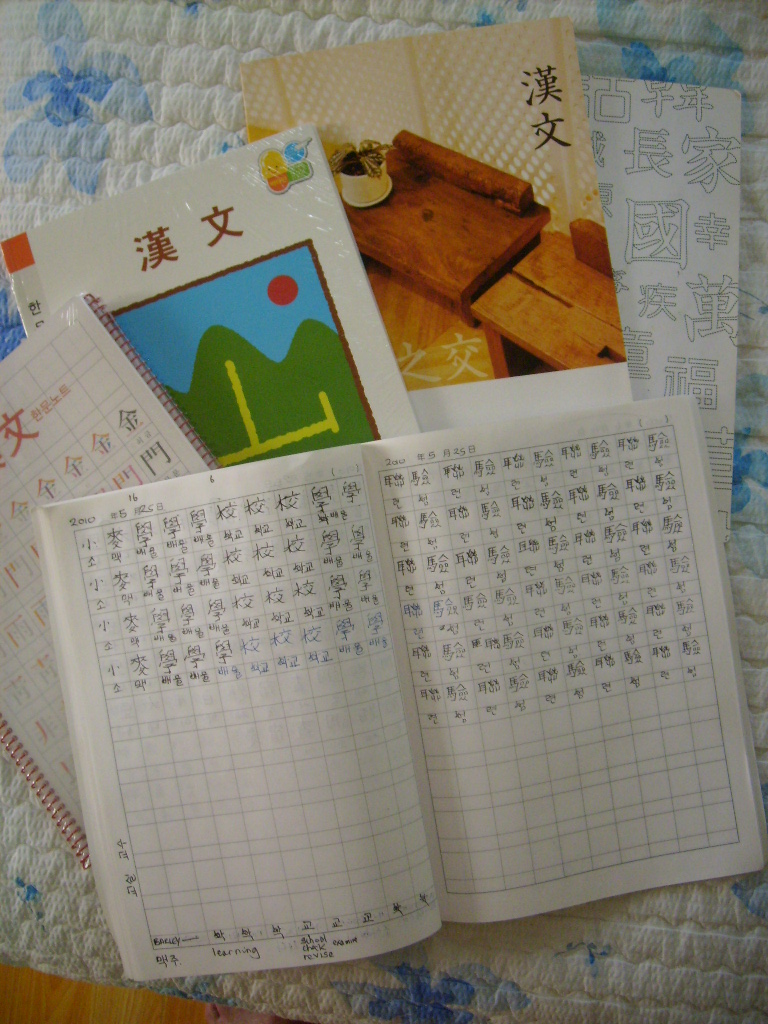
Exercise books for writing hanja

This work is licenced under a Creative Commons Licence.
What Character is That? Hanja Resource. 한자
Hanja

A useful resource
Whilst not a book on hanja, What Character is that? An Easy-Access Dictionary of 5000 Chinese Characters, is certainly useful to fill in the all too frequent gaps that occur studying hanja on your own. I have found this book illuminating for background information on Chinese characters as well as useful for little interesting snippets it provides on individual characters all of which can be vital as an aide to remembering them. Although the book is supposed to be easy to use, I’ve never quite mastered it, but as my needs are different to someone studying Pinyin Chinese, I haven’t found this a problem. I tend to delve in and out of the book and most useful is the section on radicals. Though the book is solely in English, I have still found it useful in the small array of tools necessary to study and clarify the meaning of hanja characters.

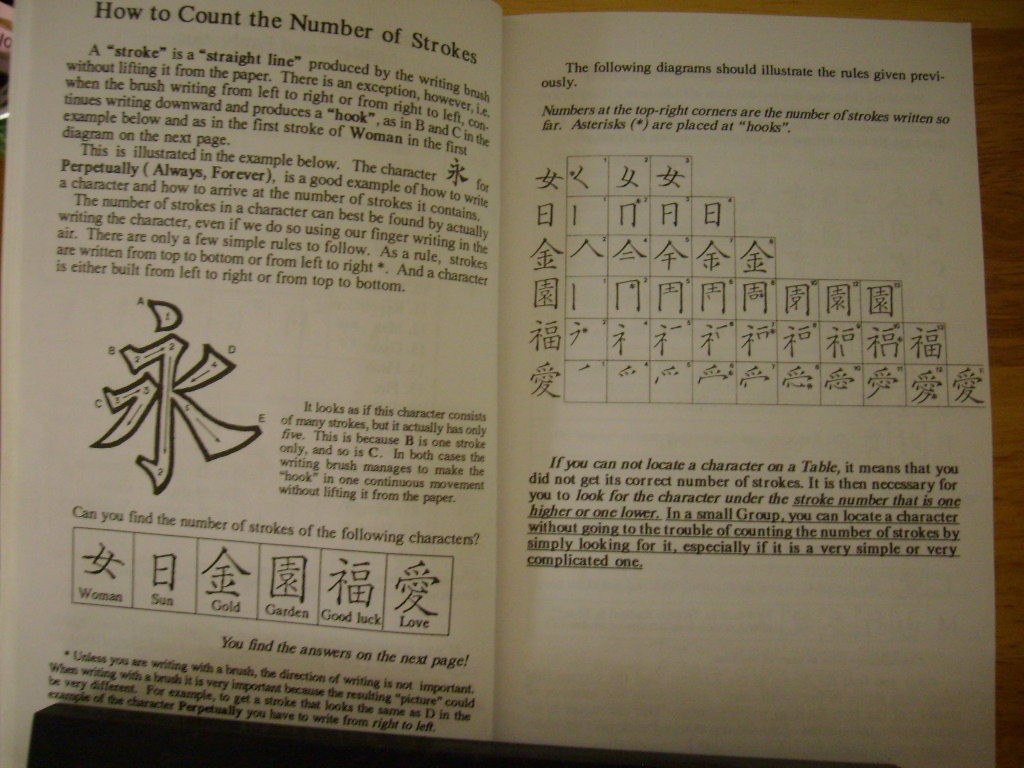
Counting the strokes
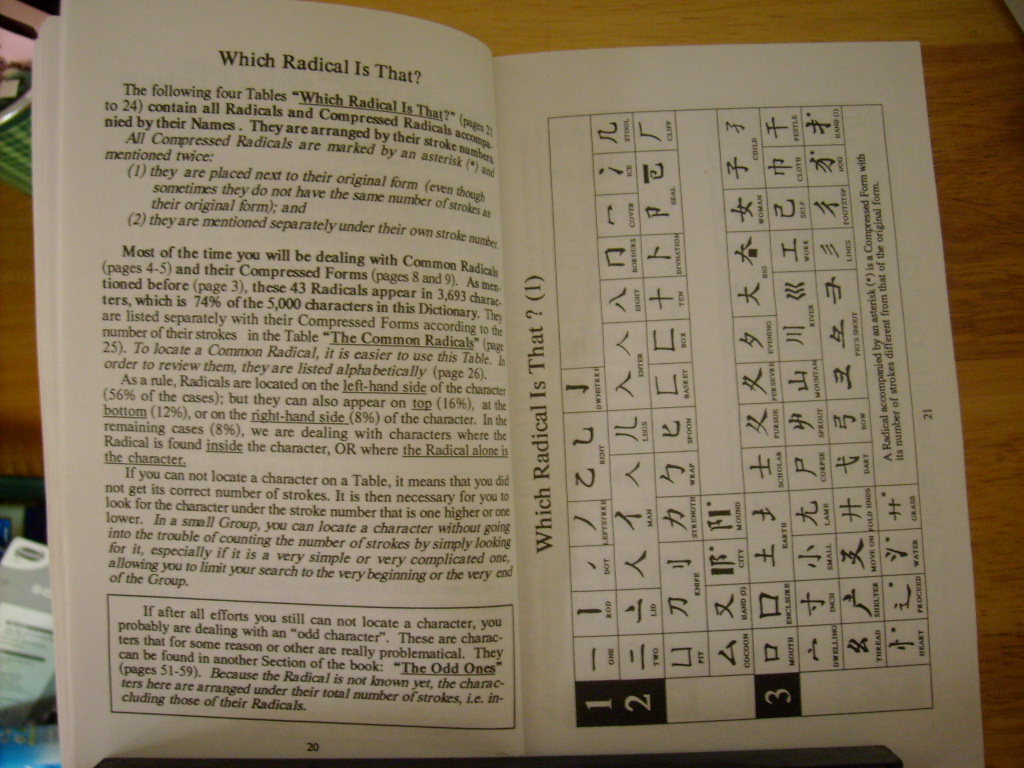
Identification by radical
Sorry for the poor quality photos.
Written by – Ping-gam Go
Simplex Publications. 1995
ISBN – 0-9623113-5-9-
Simplex Publications http://www.simplexpublications.com
Learning Hanja Through Pictures
I bought this series of children’s Hanja in 2002 and I’ve been using them on and off for eight years. Currently I’m 20 pages into book 3 and at the earliest I should finish them when I retire. Don’t ask me why! I find scribbling hanja intensely therapeutic.
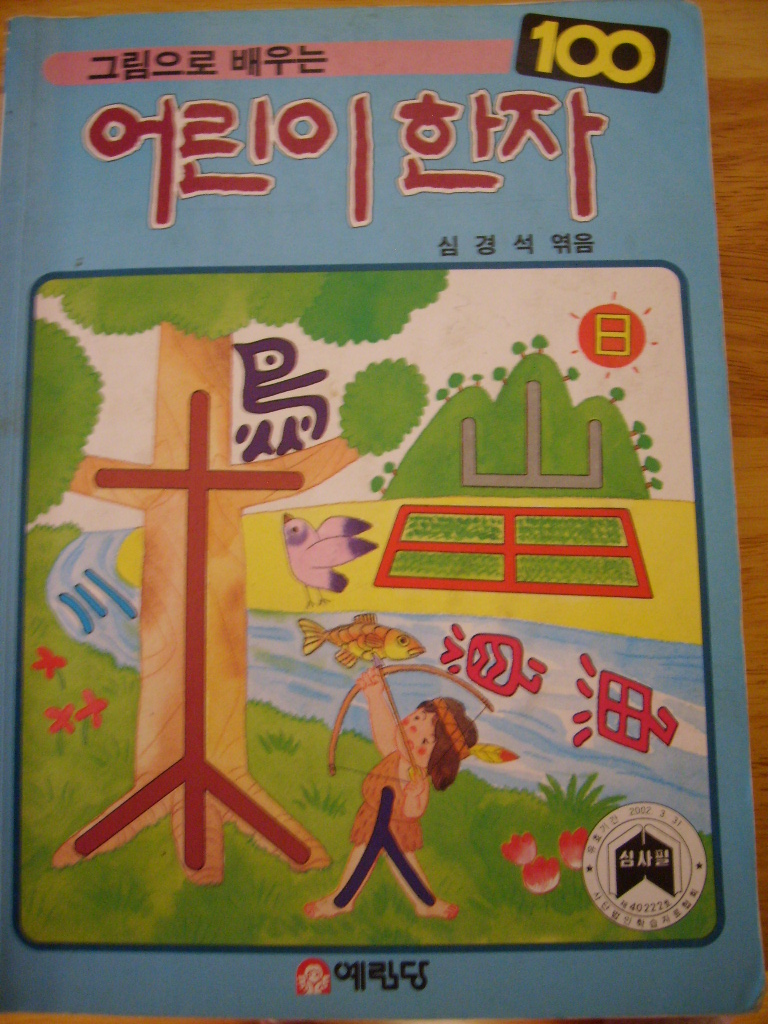
Children's Hanja: Study through Pictures.
The series will introduce you to around 1000 of the required 1800 main hanja characters. Book 1 is particularly useful and is self explanatory despite being written in Korean. 100 basic characters are introduced using between 2 and about 10 strokes. The characters are grouped in themes such as numbers, compass directions, seasons, etc. Characters are introduced individually and in groups of two. EG: 동,방. (東, 方), east, direction = 동방 – (東方), eastern. At the back of each book is a listing for all the introduced characters.
Each book has ample space for practicing the strokes, a relevant cartoon containing many Confucian Idioms plus small explanatory passages. However, unless your Korean is fairly good, you will need a Hanja dictionary to explain the characters.
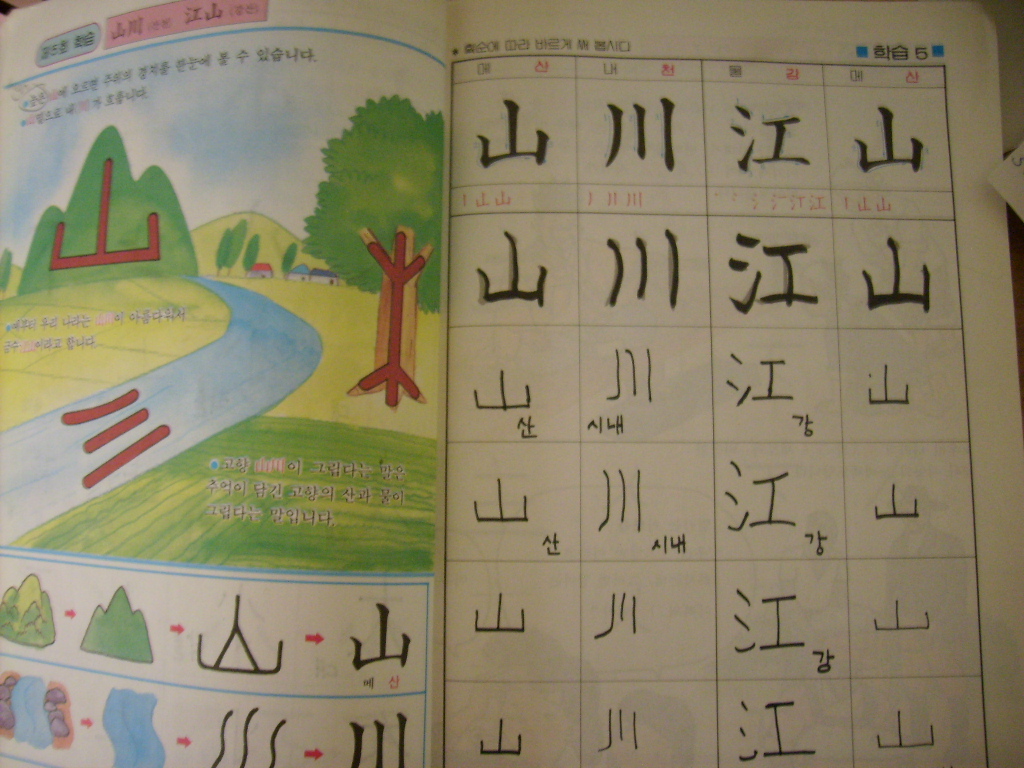
Book 1
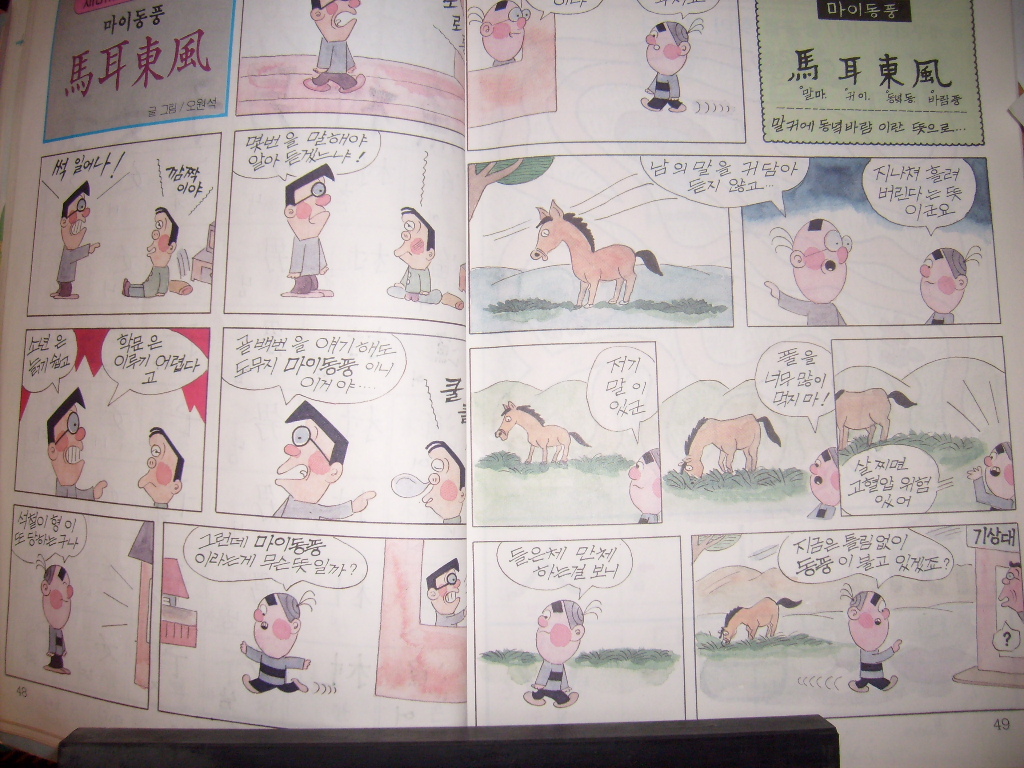
Cartoon strip

Characters introduced in Book 1
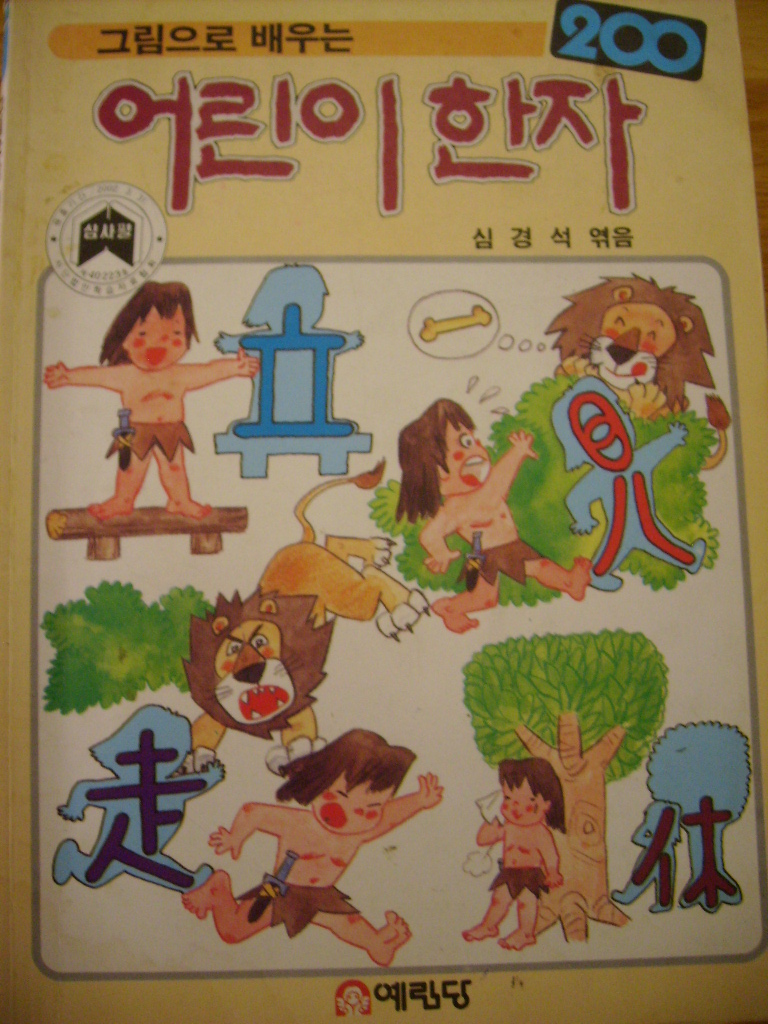
Book 2
Books 2 gets progressively more difficult as the required strokes increase.
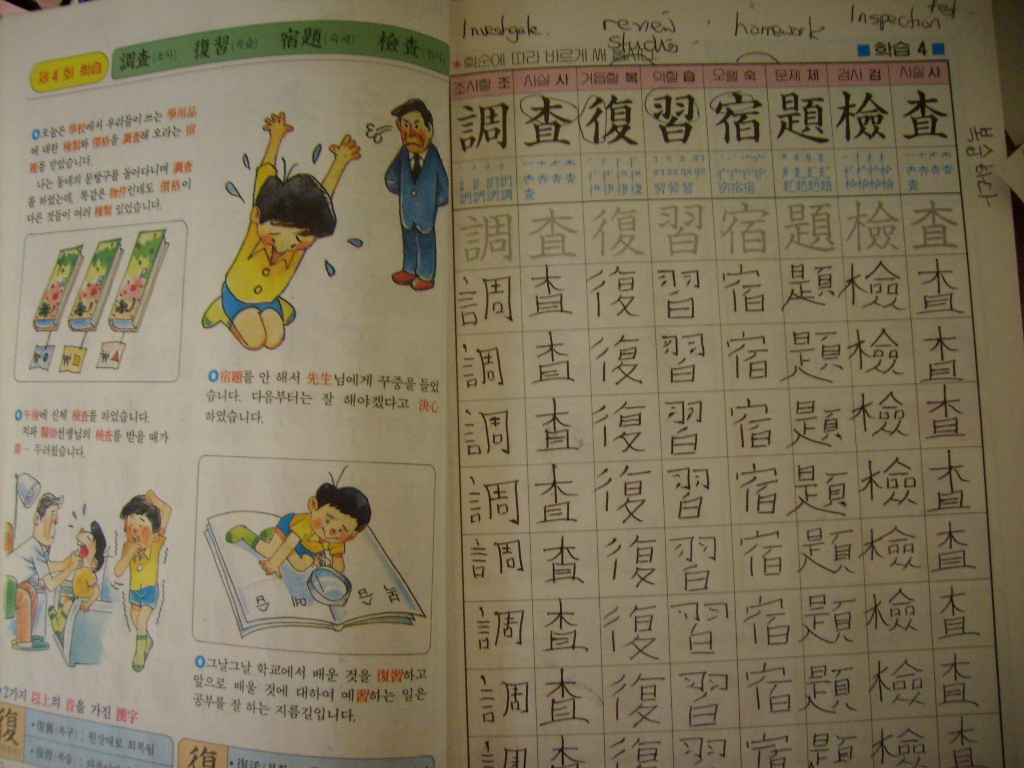
Book 2, More complex characters
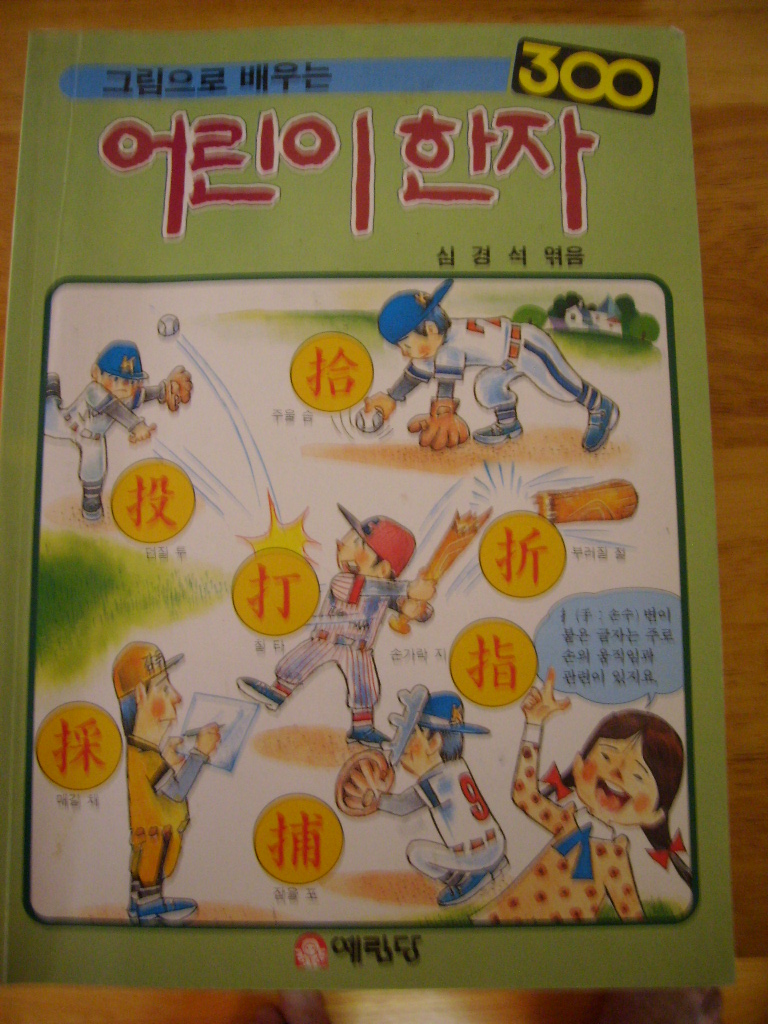
Book 3
Books 3-4 are no more difficult than the latter stages of book 2 the only problem is remembering characters.
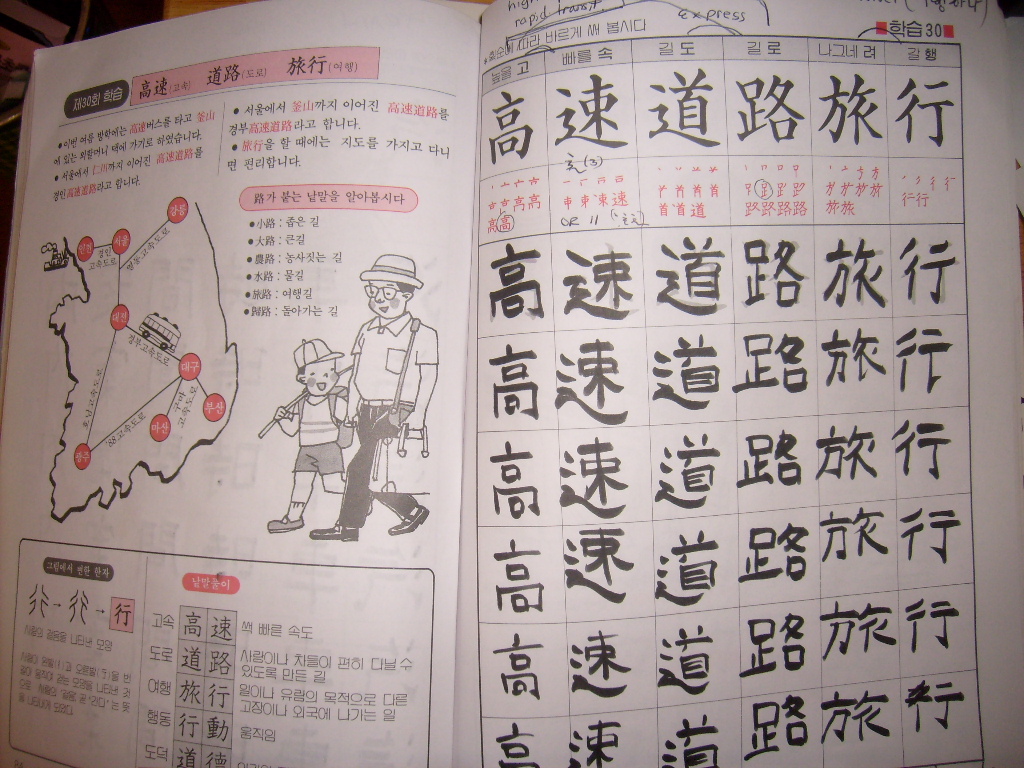
Book 3
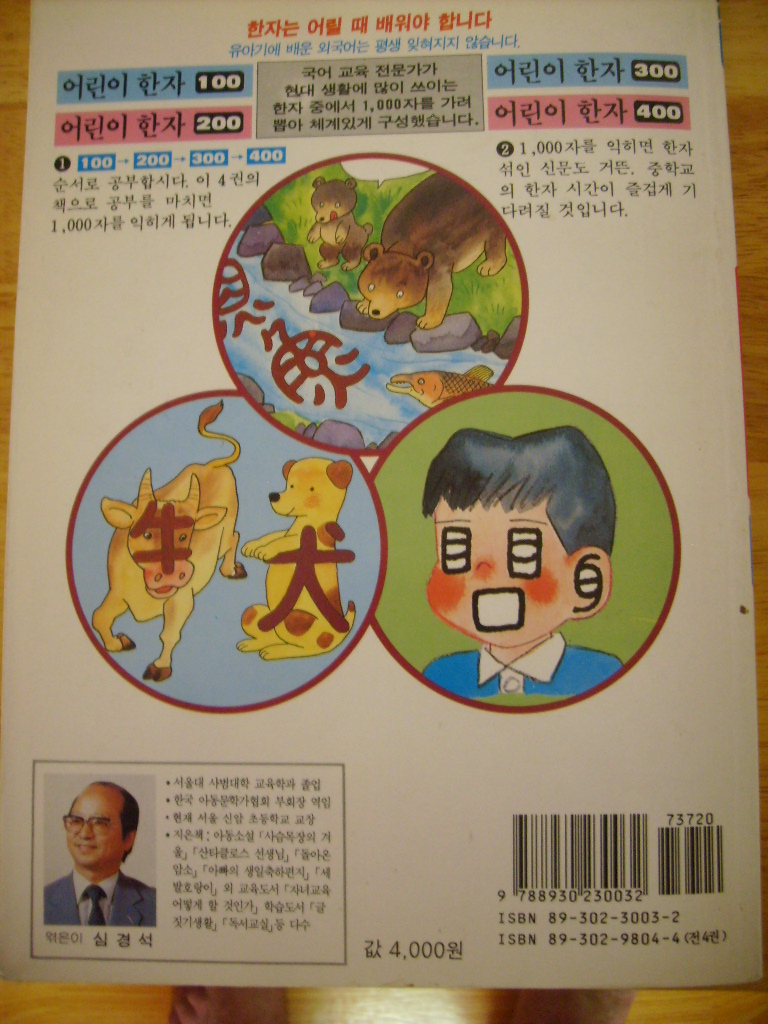
Back cover details
When I bought these books they were probably one of the most popular middle school supplementary support materials. Once well into book 2 it takes time discovering the meaning of each character as this necessitates using a dictionary, discovering radicals and so forth. Asking Koreans isn’t always helpful as often they are unable to clarify the meaning adequately in English. Understanding hanja, unless you’re in a unique position, is an uphill struggle. If you’re just wanting to learn some simple, basic hanja, book 1 is excellent.
Title: 어린이 한자 (100, 200, 300, 400)
Cost; 4000W each.
Published by 예림당.
Author 심경석. (엮음)
ISBN (전 4권) 89-302-9804-4
Published in 2001.
http://www.yearim.co.kr (The series is still available and the site information is in both Korean and English however, if you use the online catalogue you may have to key ‘한자’ into the search facility to find relevant information)
That Fiery Little Penis and Cocks of Greater Dimensions
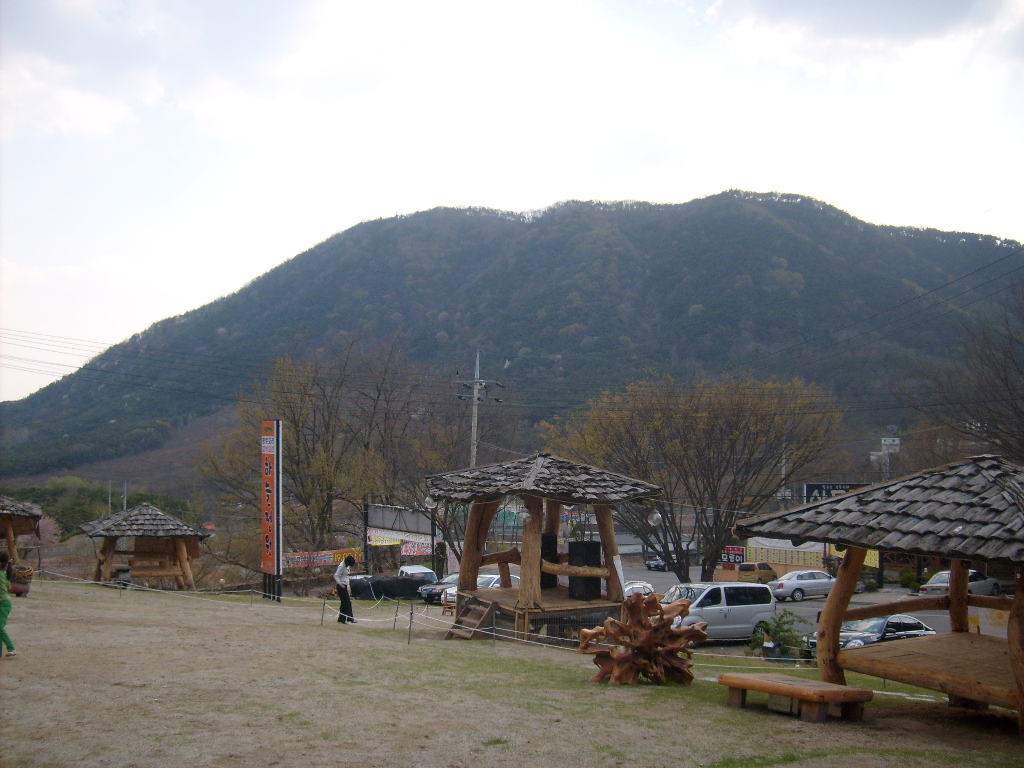
고추산 Just opposite Penis Paradise in Palgongsan National Park. Daegu.
Last year the place was full of cocks, some of the biggest I’ve seen in Korea and at one point a great number of them were loitering about outside an adjacent restaurant just waiting to be picked up. Some were even for sale and as I have little self-confidence, the thought had crossed my mind that, the only way I am going to get to chomp on Korean cock, is to pay for it. Cocks in public! Not the sort of behaviour you expect in Korea! The choice was amazing, young ones, old ones, thin, fat, bent, tapering. Well, you can read about my ‘adventures’ in Saturday’s Post, Palgongsan National Park – Penis Paradise, where you will also find some photos of gigantic Korean cock!
Needles to say I was salivating, not from what you’d expect, but because next door the sizzling aroma of barbecuing duck wafted on the spring breeze. Now, the other day, using my limited Korean, and despite all my studying, limited it is, I was telling a shop assistant that my hobby was food. I ‘d been walking around town with one of those bright yellow E-Mart bags from which sprung three enormous tendrils of burdock (우엉) . As it’s the first time I’ve bought whole burdock, I’m a bit surprised at the flexibility in those tendrils, having presupposed they were more rigid, and so they bounce about crazily. Korean passers-by give my tendrils a second glance because no foreigner buys those weird roots. I’m quite proud of my bouncing burdock and am on the look out for one of those unfriendly westerners who constantly pass me by without ever saying hello or smiling. Smug wankers don’t talk because they like you to feel they’re totally at home in Korea even though they all eat in MacDonald’s and speak little Korean. Anyway, my burdock is a trump card, a sort of ‘fuck-you!’ However, there are no foreigners about and so I make a mental note to walk about town on a regular basis with burdock sprouting from my bag, like I’m taking out a pet.

Lee Hee-ho (이히호), my friend's youngest son
The shop assistant is bemused at my burdock and I tell her I’m making a side-dish with it. She’s even more impressed when I tell her I can make kimchi. She asks me if cooking is my hobby so I stroke my belly, ‘of course,’ I reply. ‘Can’t you tell?’ And as I laugh the burdock in my bag is wibbling, like it is laughing too. Well, my point is that food is probably my greatest hobby and I doubt many people prefer some culinary pleasure to sex but I do. I once wouldn’t answer my door to gratify the sexual urges of a very handsome boy because I was tucking into a curry. Of course, I could have let him in, we could have shared it but I don’t like threesomes. He banged on the door for a while then gave up and probably went and had a wank, or found someone else to do stuff with – of which there was never a shortage in the army. When you’re young you think that sex with an Adonis will always be available, that your pulling power will never be diminished. It’s only when you are older you regret letting such things slip past. If I could go back in time I’d have chucked the curry in the bin and opened the door. I stroke the burdock reminiscently and note their almost semi-rigid state. His name was Lance Elcock!
So, back at Penis Paradise, the barbecuing duck smells delicious and I am starving hungry. I can catch up with the cocks later. Now, I’m with my Korean friend David (이영선) and his family. I’ve known David for ten years and he’s one of my best friends. I’ve been taking a few photos of his sons, one aged 5 and the other is almost a year old in western reckoning. After feasting my eyes on those fat cocks around the corner, I find it a little amusing when his youngest son begins to chomp on a cock he’s picked up and so I grab my camera ready for some hot shots. He licks the end a few times, a little unsure what to expect, then removes it from his mouth and looks down on it with apprehension. A strand of saliva slips onto it which my camera is too slow to capture. Then he begins sucking on the tip and I await the moment when I might capture his surprise. Oooo, here it comes! He grimaces a few times but doesn’t stop sucking until the full force hits him, when suddenly, he starts wailing.
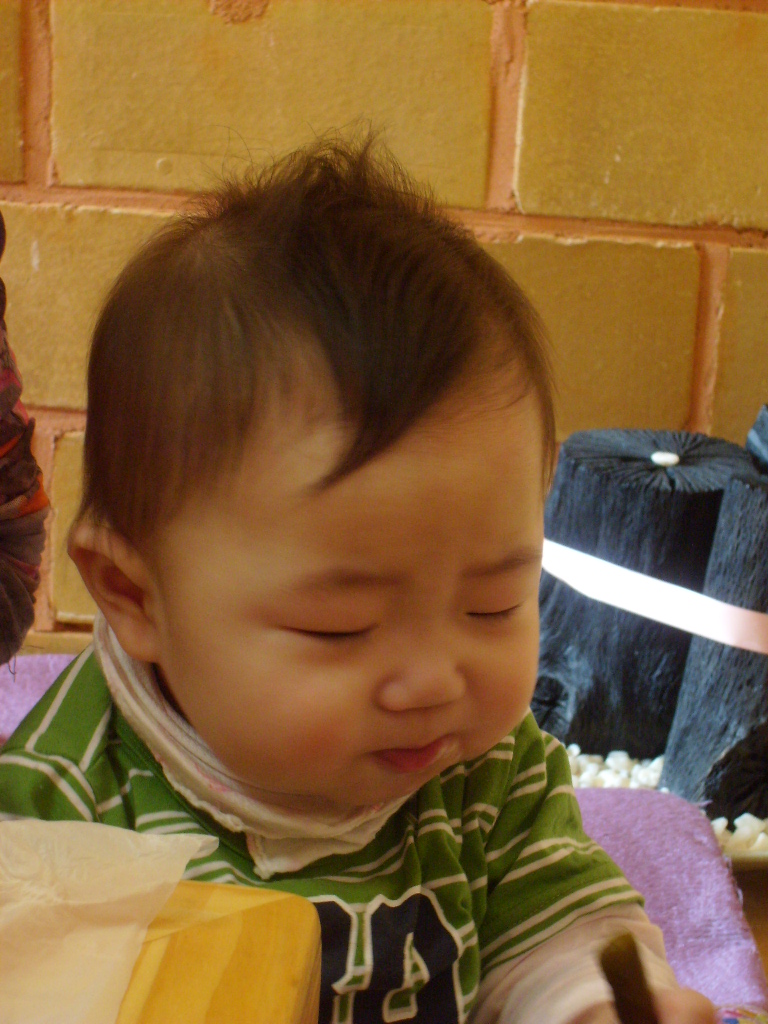
Mmm...not too sure!

Another nibble!
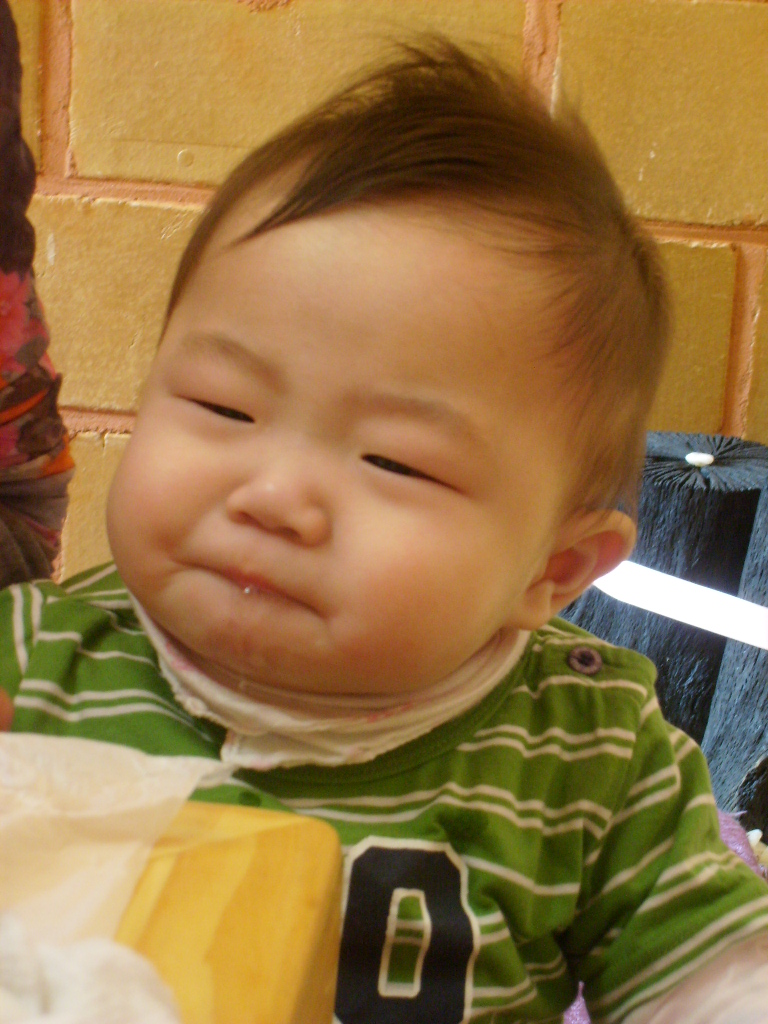
Whang! It's hot!
I feel quite bad because I’d sat, watched and photographed as the little boy munched on a very hot, small chili, the hot ones generally being the smallest. So now you know that in Korea, a ‘cock’ (고추) refers to both the vegetable and a penis. Actually, Koreans have an idiom which I know intimately well as I repeat it when feeling inadequate in a bathhouse: the smallest chillies are the fiercest! (작은 고추가 맵다) Because I’d only just entered where we were eating, my friends busy poking and prodding the barbecue while I had been ‘around the corner’, I assumed they knew what he was doing. Maybe I wasn’t thinking… Eating a chili! Quite natural for a Korean, I thought.
Kongrish!

'Homemade riceball and beef on the ricel.'
I don’t know if a term has already been coined or if indeed there is a name, for the blending of Konglish with bad English. I am going to call it ‘Kongrish’ and below are some of the examples I’ve collected. I wish I’d had a camera for some of the ‘classics,’ just to have substantiated their validity.
Kongrish Around Song-So, Daegu
‘Hair Deciener Shop’
‘Twin Twon Coffee Shop.’ I assume this is meant to read, ‘Twin Town.’
‘Shitty Pizza.’ This has to be one of my favourites!
There was also a boy in one of my classes who wore a t-shirt on which there was a large ‘20’ under which was written, ‘Sporty, Young and Milky.’
‘Kolon Sports’ – on a hakkwon bus.
‘I’ve got a loaf of strawberries’ – This was on scratch and sniff notebook.
‘Every morning of sun shine glowing warm shafts upon us’ – I wish something ‘sporty, young and milky’ would ‘shaft’ upon me some morning!
The following was from a packet of smoked salmon bought in E Mart:
‘Around June to September, in a something sun, 3-5 year old well-grown salmon that have brilliant gesture and swim through sea and river along the blue and dear coast of the Pacific Ocean have very good quality of flesh and taste so good and have got praised as food of low-calorie. More than one century salmon has got praise of epicures all over the world. Salmon taste from soft to strong with many nutrients and special pink colour flesh create fantastic mood and taste.’ Classic!
And though there’s no errors with this one, it appeals to my childish humour:

'Hotel Venus,' except 'Venus' is pronounced 'Penus--uh'. Also the name of a popular lingerie shop.
This one was taken this year
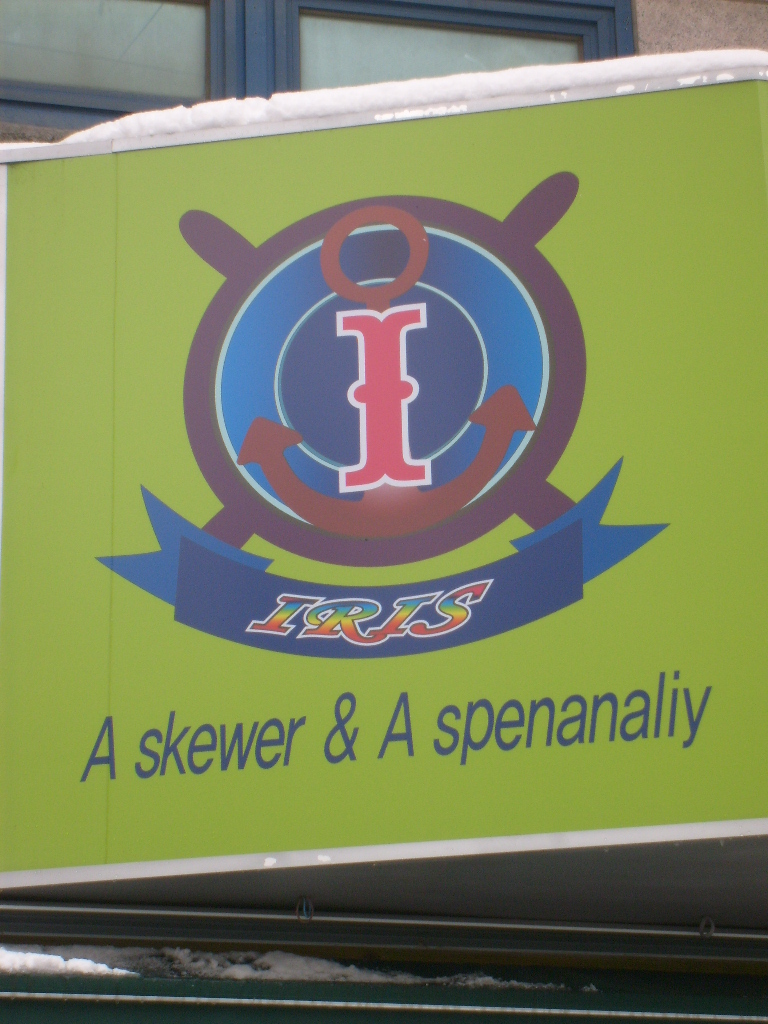
A bar, not too far from Lotte Cinema, Song-So. 'Skewer is a Speciality?'
This one is from Cheonan – just amusing!

A pork restaurant
Hanja 'Dictionary' (漢字) PDF

Hanja
Even after years of studying Hanja, I find my skills random and inconsistent. When I first started studying Korean and Hanja, 10 years ago, you had to buy ‘Proofing Tools’ in order to write in various languages and accessing anything on the Korean language or Hanja was difficult. Indeed, even five years ago the information for example, on Korean food or any historical period other than the Korean War, was limited. On my first trip to Korea in 2000, not that long ago, the biggest book shop in the UK, Foyles, only stocked 2 basic language books and a pretty crappy dictionary. A year later I bought a dictionary online and my choice was very limited. Much has changed today.
I started compiling Hanja characters I’d learned and still do today partly as you can’t always rely on IME interfaces and with numerous compatibility problems something can always go wrong. Currently, for example, I have no IME pad, it just doesn’t activate and I see on various forums this seems to be a widespread problem. Neither does ‘Help’ work on my Language Bar. Often I have had difficulty in finding characters and have imported them from else where. So I have learned not to rely comprehensively on programs and packages as they are so apt to mutate or disappear.
So, I have included here PDF and ‘Word’ copies of my working Hanja dictionary which currently has 602 characters. Of course, I can’t guarantee it is 100 % accurate,but it may be useful to others as you can tailor the ‘Word’ copies to your own needs. You will note there are two ‘Word’ copies; on my pc I use the one with an additional side column in which are various notes. However, if you want a more user-friendly A4 size, the version with ‘no sidebar.’ is ready to go.
HANJA DICTIONARY PDF AUGUST 2010
HANJA DICTIONARY AUGUST 2010. (side-bar)
HANJA DICTIONARY AUGUST 2010. (no side-bar)
© Nick Elwood 2010. This work is licenced under a Creative Commons Licence.
Hanja (한자. 漢字)
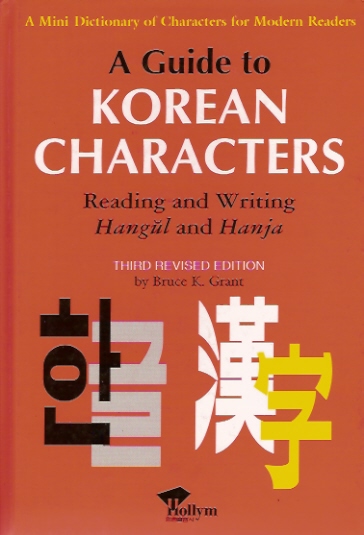
An excellent and easy to use resource.
Bruce K Grant. Published by Hollym. ISBN – 0-930878-13-2
This has been my favourite hanja resource for a number of years and to such an extent that I recently ordered a second copy. The book is organised in stroke order which means characters easily be found especially if you are familiar with the radical. Each character’s stroke order is provided plus a number of examples given highlighting the use of the character. The book lists the 1800 characters (basic 1 stroke through to 26) taught in Korean schools. In addition, there is an interesting introduction to the history of Chinese characters and an insight into the various types of characters. The author also provides a radical index and a list of the hanja characters associated with Korean family names.
The book hardback and durable, and unlike some books I have bought in Korea, the quality of both the paper and printing is excellent.
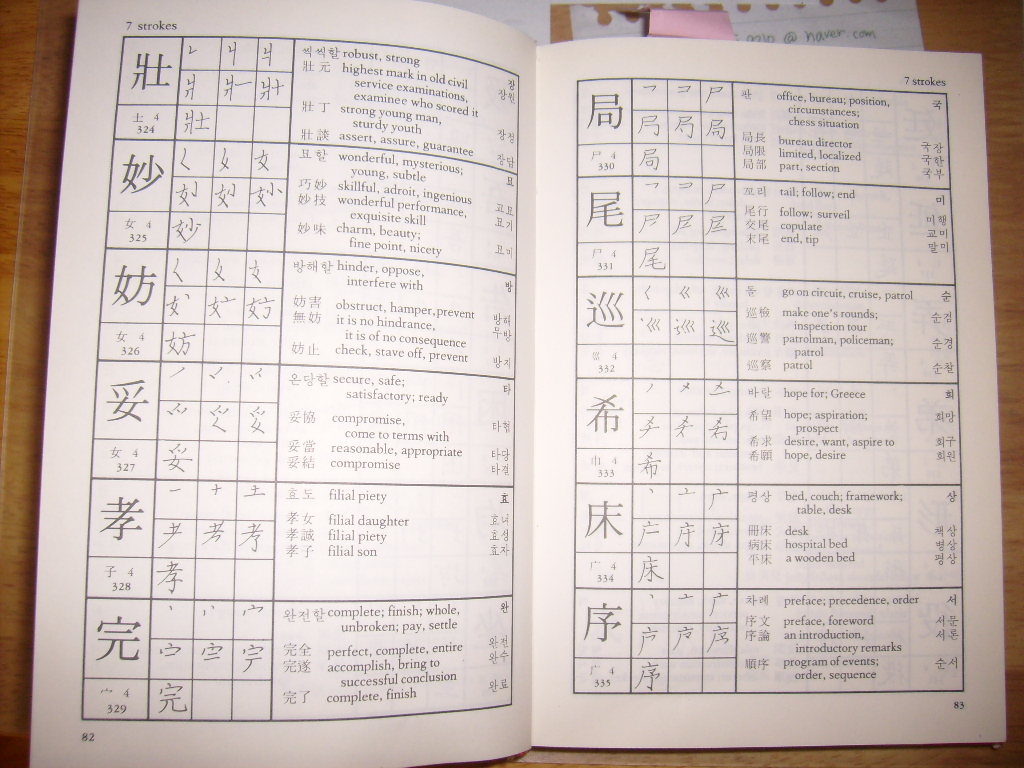
A glimpse inside the book. My photo doesn't do it justice!
I originally bought a copy in Kyobo Books, Seoul, in 2002 and last year ordered a copy from Kyobo Books, in Daegu. My original copy cost 15000W (approx £8.80.) and the most recent copy was still 15000 won, something!
Link -for a more recent review with links to Amazon
This work is licenced under a Creative Commons Licence.
Am I Really That Dumb?
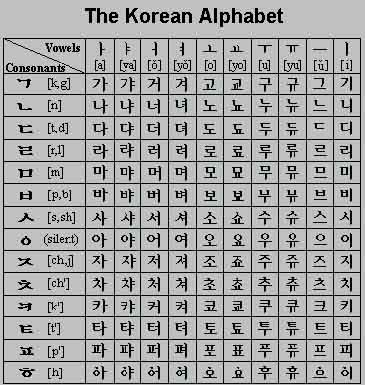
Korean alaphabet
 I think I must be pretty dumb when it comes to learning foreign languages though the skills I do have are clearly above average. I claim this because recently, European Union research highlighted only 5% of British people can count to 20 in a foreign language. Apparently, Americans fair worse! As I can count to 20 in 4 languages, though in two that’s all I can do, I can designate myself a polyglot.
Anyone who has lived in Korea long enough and is battling to learn the language will have met those ‘linguists’ who seem to have picked the language up in a few weeks. Don’t they depress you! I met a chap last summer who told me he’d learned the Korean alphabet in ‘a couple of hours!’ My God! I’ve been struggling with it for years. When I tried to clarify whether he meant he was familiar with it or could actually read it, he insisted his abilities were sufficient to read text though not understand it. I remember another passing acquaintance, a very colourful character, who insisted the language was ‘easy’ and all you had to do was add ‘yo’ onto the end of everything – which also included English words. And then there are those who tell you their level even though they don’t go to classes and have never been assessed. Of course, they’re never a beginner like you are and usually pitch themselves at ‘intermediate’ or if a little humbler, ‘lower intermediate.’ This always reminds me of the cartoon character Peggy, from King of the Hill, who says she has: ” an IQ of 180, give or take a few points because she assessed herself.”
No language is easy and Korean, with a totally different alphabet, three speech levels, honorifics, dialects, the numerous pronunciation exceptions created by certain sound combinations and then the fact that many sounds, ㄷ ㅌ ㄸ ㄱ ㅋ ㄲ ㅓ, to name a few, cannot be rendered by an English equivalent. Or at least this is my humble understanding. So it is neither ‘Daegu’ or ‘Taegu’ and indeed the only way to write the city’s name free of ambiguity is as 대구. Of course, if you want to be really flash you can write it in hanja, 大邱. Recognising sounds is another skill and one I find my weakest. The way Koreans cut short particular final consonants often causes me great confusion so I end up muddling ‘ginger’ with ‘thinking’ and ‘acorn curd’ with ‘eagles.’ Asking the market stall owner how much the ‘eagle curd’ is or, if they have any ‘thinking?’ raises eyebrows. And ‘persimmons’ I am always confusing with ‘liver.’ Talking of 감 and 간, I still find it difficult to hear 홍시 and 혼시. The thought I am a slow learner suddenly intensifies as I remember a two-hour session trying to hear and replicate ㄲ as in ‘꿀” (honey). And if you really want to test your ability to use the Korean alphabet try spelling the most difficult words of the lot – English loan words. I find broccoli, coat, shirt and yogurt especially awkward. Yogurt! Now is that 요구르트 or 요그르트 or even 요구르터?
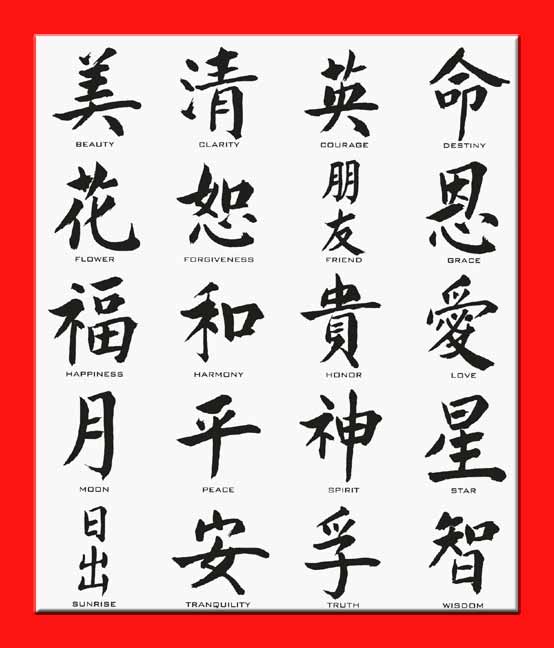
Hanja
No matter how hard you study Korean you will constantly meet those who can speak it better than you. I don’t mean the pretentious linguist types who master the basics in five minutes – you rarely hear them speaking unless it’s in English and telling you how easy Korean is, but those with a genuine talent for languages and who have also made an effort. You read about those who study every moment they can, running on the treadmill listening to dialogues or reciting conversations as they walk to work. It takes me all my effort not to fall off the treadmill and on the pavement, at least in the city, one needs all mental faculties to avoid being smashed to pieces by one of the numerous meals on mopeds maniacs. However, if you really want to impress people, Hanja has few foreign followers. You will have to learn Korean for a few years to truly impress other westerners but with Hanja you can do it with a handful of characters. I’ve met westerners who could speak fairly good Korean but didn’t know any Hanja and I know Korean adults whose Hanja skills are rudimentary. I currently know around 600 characters but at anyone time will have forgotten around a third of them and many of the characters comprising this third will change on a daily basis. The educated Korean should know approximately 1,800 characters; 900 learned in middle school and another 900 in high school. I’ve spent ten years, on and off, studying Hanja – all a total waste of time especially as with every 5 new characters I learn I tend to forget three or four old ones. If I can study Hanja for another 30 years I ‘ll be ‘averagely educated.’ Some of my Koreans friends try to suggest that it is not how many characters I know that is important but that fact I study them. Personally, learning Hanja is a little like learning Latin or Greek, an exercise of the mind but with attractive squiggly little patterns. At the end of the day, Hanja provides few benefits to my spoken Korean but it certainly impresses both westerners and Koreans and to be honest I do get a little thrill when I see some characters and actually recognise them.
I take my hat off to those individuals who can communicate in Korean at any level especially as there are plenty of foreigners living in Korea who see no point at all in learning the language. I even know one teacher, with post-graduate qualifications, who insisted he came to Korea to better understand Korean culture and not to learn Korean. But those who warrant my greatest respect are those individuals who have mastered the intricacies of Korean from a Speak Korean in Five Minutes, (paper back, 50 pages, no cassette), read on the flight to Korea.


 Elwood 5566
leave a comment