Paper Flowers
A few weeks ago, one of my younger students presented me with some flowers he’d made. The leaves were scented so it acts as an air freshener.

cute

© 林東哲 2011 Creative Commons Licence.
Ok Dol Mogyoktang (옥돌) Yong San Dong, Daegu
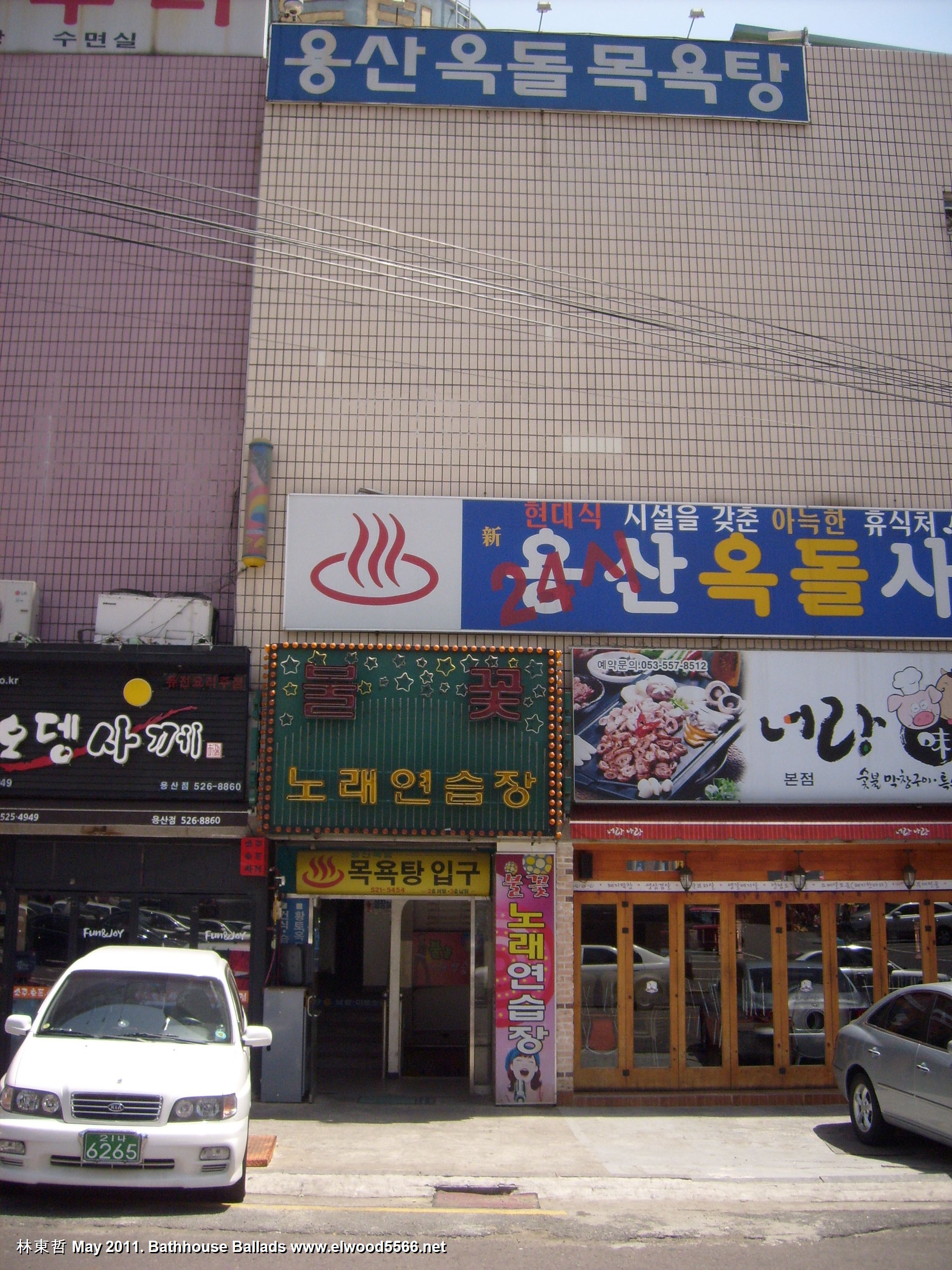
intimate and functional
First visited on May 13th 2011. Not my favourite of bathhouses as it is simply too small and geared more to cleaning than relaxing but it is worth a visit, probably at off-peak hours. I visited on Friday lunchtime and it was almost empty. The staff were friendly
Ok Dol (‘Jade Stone’) Bathhouse lies in a small square of bars and restaurants so I would imagine it is busy on certain evenings as it is a twenty four hour establishment. It has the usual peripheral businesses of barber and shoe shine and a television in the changing area. The bathing facilities are quite small and there are only three baths, a warm pool (온탕), hot pool (열탕) and a cold pool (냉탕). The hot pool isn’t too hot and the cold pool not too cold. Around these are about 12 stand up and about twenty sit down showers. There is also a small jade ondol (heated) sleeping area but it will probably only accommodate about 3 people. As for saunas, there is a steam room (습식 사우나), salt room (소금방) and a pine sauna (소나무방).
The decor is pleasant with plenty of jade and dark brown tiling with sunken gold patterns running through it. The sauna rooms, pine, salt and steam are small but comfortable with ‘jeweled’ walls and ceiling containing plenty of jade and inlaid with slices of impressive geodes. The pine sauna contains a three foot, free standing ‘cathedral’ amethyst geode.
The ‘powder room,’ my term for the room you dry and preen yourself in prior to dressing, was very small and I had to step over a number of used towels to enter the locker area but this is my only criticism. Most notable however, throughout my entire visit, was the fact an attendant continual cleaned, wiping down tiles, rinsing soap of mirrors and polishing the taps. The entire bathhouse gleamed.
Plan
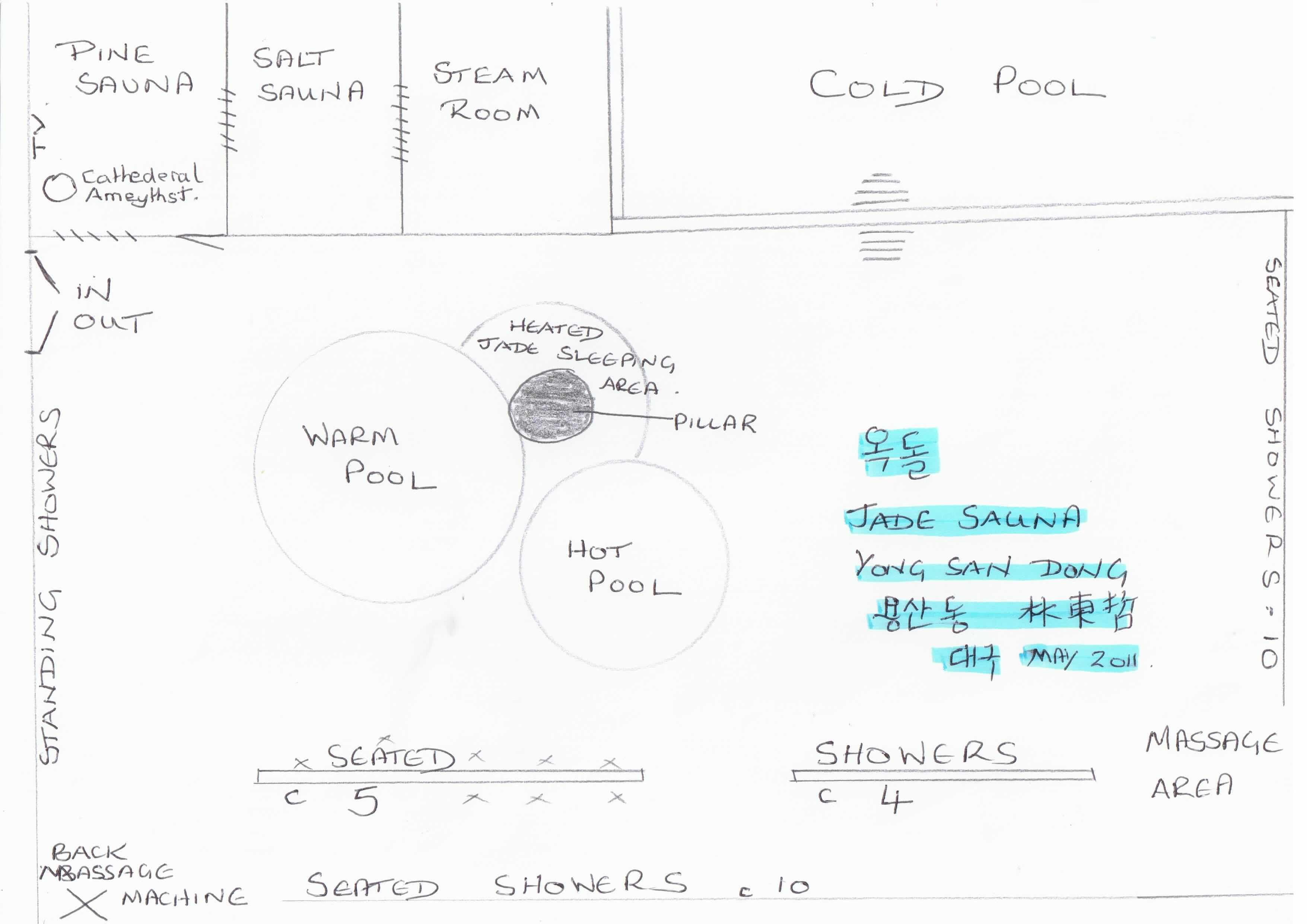
Jade Sauna (옥돌) bathhouse design. Male
Location – five minutes from Song-So ‘Mega-Town Complex’ and a few minutes from Yong-San-Dong, Tesco’s Home Plus. It actually lies at the back of the Lotte Castle Apartments area. (Wiki Map link this is the approx area, I need to pinpoint it exactly)
Times – 24 hour.
Facilities – Tickets on the second floor.
Jjimjilbang – none.
Bathhouse (men) – smallish with an event pool, (이벤트탕), small warm pool (온탕), and medium sized cold pool (냉탕), ‘jeweled’ steam room, salt room (소금방)and pine saina (소나무방) and a very small jade, ondol heated sleeping area. Changing room with television and benches.
Cost – bathhouse 4500 Won.
Others – shoe shine, barber. Many nearby restaurants and bars.
Ambiance – more functional than relaxing, very clean.
Waygukin – No foreigners.
Address –
© 林東哲 2011 Creative Commons Licence.
If I Knew Your Name I’d Write it in Red!
In my endevours to lose weight and get fitter, I rarely drink alcohol and eat sam-kyeop sal (삼겹살) only a couple of times a year. Last weekend, I went to a restaurant near my ‘one room’ to enjoy both and the evening was ruined by a bunch of wankers sat behind us. One man got so pissed he started a punch up, (if you could call it that), with another person at his table. In the event of trying to stop the fighting my friend had his glasses broken. Then, just as the police arrived, the idiot starts attacking another person at his table. Like most Korean fights, it was lame, laughable and ‘pussy,’ with the men patting each other rather than smashing bottles in faces, which is fantastic as real aggression is repugnant. However, it ruined our evening as Ji-won had to go to the police station in order to get compensated.

If I knew you’re name I’d write it in red!
In Korea, writing someone’s name in red is very unlucky and is only done after someone has died.
After-note: Ji-won sustained no injury other than the arm of his glasses being broken – he was compensated by 400.000 Won (£200)!
© 林東哲 2011 Creative Commons Licence.
Alan J. Scott (Pen Portrait)
‘AJ’ Scott probably deserves a punch on the nose but I have fond memories of him. He was the mastermind of numerous pranks played on younger, and more gullible band members and I was particularly susceptible. Even though his humour was quite cruel, I idolized him.

‘AJ’ Scott when he wasn’t terrorizing anyone (1974 Cyprus)
He was close friends with Dave Seeley, Bones, Ken Kane and Steve Eccles all of whom were probably around 8-10 years my senior and either lance corporals or corporals. I remember being invited to AJ’s house in Munster, accompanied by his ‘gang’ where they plied me me with alcohol and then told me some German women were shortly about to visit and that they didn’t like men in Y-fronts. They suggested I go into the bathroom and put them on back to front. Naturally, I did as they suggested. Later, they played some marching music and had me practice around the living room. I believe Taff Shipp may have been with us, he joined the band on the same day I did, 17th of September 1973, I believe, but after a couple of years at Junior Leaders, all gullibility had been removed.

They were up to something (Steve Eccles, AJ Scott and John Macavoy. Cyprus 1874)
I can’t even remember when ‘AJ’ left the band but I certainly missed him. I think I inherited some of his sense of humour. He was one of those ex-comrades who simply seemed to vanish off the face of the Earth. There were rumours he moved to the USA and I vaguely recall it may have been Seattle as I seemed to remember trawling phone directories for his name when I once visited there.

if only they’d known…
During Christmas 1974/75, Alan MacDonald, Robert Fox and Paul Kinley arrived in Cyprus and I was told ‘AJ’ had them ‘sign’ for cracks in the floor, creaking doors, and any cracks or chinks in windows.
© 林東哲 2011 Creative Commons Licence.
Five Boys Meet Death Where the Dragon Dwells

the view of Song-so from the back of Song-San High School (성산고교) (Photo from 부부산행 http://blog.daum.net/skycom7861/8434235)
March 26th, 1991 and spring was in the air. As it was a local election day with people off work and schools closed, children took advantage to play which 20 years ago entailed going to parks or the mountains; today it would be PC rooms or on computers in the home. Like most Korean towns, Daegu is surrounded by mountains and in the far west of the city, the area of Song-so nestles against Waryong Mountain (와룡산). The mountain isn’t as high or rugged as Ap-san or the impressive Pal-gong Mountain and it is supposed to resemble a supine dragon, from which it takes its name. However, if you take a wrong turning, which basically means going off track, it’s easy to get temporarily lost and the thick, mostly pine forest and undergrowth mask the steepness of the mountainside. I once discovered this myself when I attempted to access the mountain from what I thought was a small footpath but which turned out to be a water gully. And, as the Song-so side of the mountain faces east, ancestral graves, with their solemn mounds and occasional stone markers, are common especially, where terrain is level.
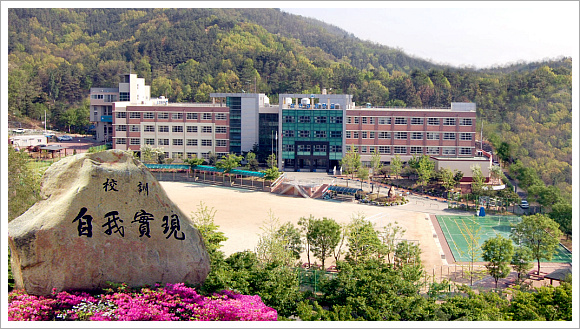
Song-San High School behind which lies Waryong
On that March morning in the city, I imagine the blossom would have been on the trees. They wouldn’t have opened, but with the warming weather, their delicate unfurling was only a few weeks away. But the trees would certainly have had a fuzz of fresh green against which lay the diffuse flush of blossom. And as the sun strode above Apsan Mountain in the east, its rays warming the face of Waryong, five boys, aged between 9 and 13, set off, the sun at their backs, on a trip to collect salamander eggs. There is a photo from the recent movie ‘Children‘ (아이들), portraying the five boys setting off and even though you can’t see their faces, their boyish glee is captured; the slight billowing of the red cape, the jar ready to contain eggs and in the gait of one boy there is almost a skip. Most of us can recall those childhood moments when we set off with our friends on what felt like a major expedition, the entire day, and lengthy it seemed, to ourselves. The boys left their edge of the town, but only by a couple of kilometers, took a path up behind Song-san High School, which meanders gently up into the mountain and from there never returned (Wikimapia)
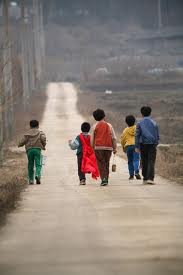
a terminal adventure
Somehow, the ‘Salamander Boys’ (도룡뇽 소년) didn’t work, it doesn’t in English and so they eventually became known as the ‘Frog Boys’ (개구리 소년). Their story, and the mystery which surrounds them is tragic and depressing and certainly in Song-so, where some of my students attend the same school (Song-so Elementary) which the five boys attended 20 years ago, they have not been forgotten.
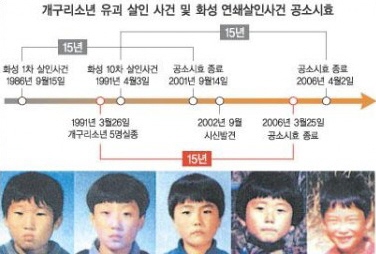
The 'Frog Boys' (개구리 소년 - ke-gu-ri so-nyeon)
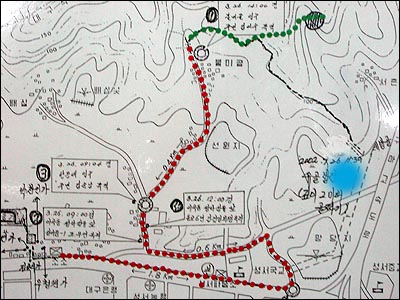
area of the murders (link to wikimapia)
The efforts to find the Frog Boys, Kim Yung-wu (11) Kim Jong-sik (9), Pak Chan-in (10), Wu Chul-won (13) and Jo Ho-yun (12), galvanized the nation: over 300.000 police and troops searched the mountain, rivers and reservoirs and bus and railway stations were searched nationwide. Companies, groups and individuals donated 42 million won (about $35.000 dollars at the time) as a reward to those finding the boys. Local school children organized a ‘Find the Frog Children Campaign’ and milk cartons carried photographs of the boys. Devastated, many of the parents left their jobs to scour the country in the hope of finding them.
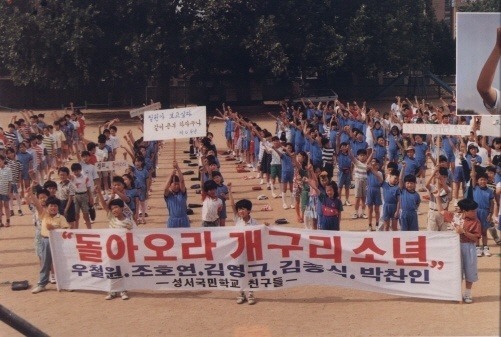
Song-so Elementary School's 'Frog Boys,' Come Home,' campaign
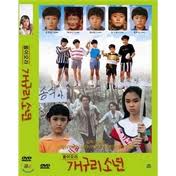
the 1992 film 'Frog Boys', released when there was still optimism
In 1992 a film was released called ‘Frog Boys‘. A year after their disappearance and no evidence of foul play, optimism lingered and many thought the boys had simply run away for an adventure. The film was intended to urge them to come home. And though a special police investigation unit operated until 2001, there were neither leads nor clues. Speculation was intense with theories about kidnappings by North Korea, alien abductions, kidnapping by South Korean ‘authorities’ for medical science and even accusations levied at the parents claiming they must have killed and buried their sons.
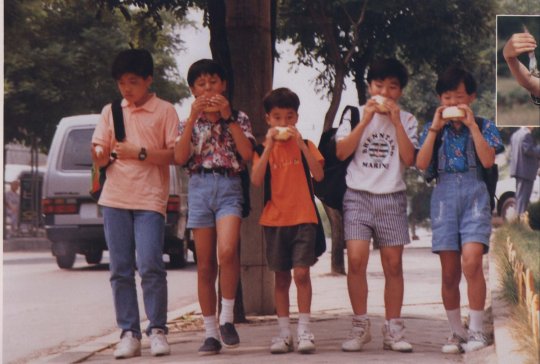
their disappearance, simply an adventure
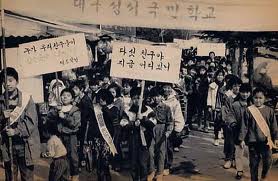
Song-So Elementary School students 'campaigning' in 1991
On September 26th 2002, a man picking acorns on the mountainside discovered pieces of clothing and bones and after eleven years the bodies of the boys were discovered. I remember these events well as I was living in Song-so at the time and for a few weeks developments were prime time news. The boys, their bodies entwined, seemed to have been huddled together and the police suggested they must have died from cold. However, they were only two kilometers from their homes and would have been able to see lights and hear traffic. The police claimed it wasn’t homicide despite the fact the boys’ skulls all had holes in them. Eventually, when ‘proper investigations’ had been conducted, though many argued the police and investigation team had been severely mismanaged and evidence damaged in the process, it appears homicide was almost a certainty. Shell casings had been found nearby, the boys had been tied and they appear to have been struck on their heads with some kind of implement which has not been properly identified. Moss growing inside the skulls suggested the boys had been hastily buried but as they lay in a gully, water eventually exposed their remains.
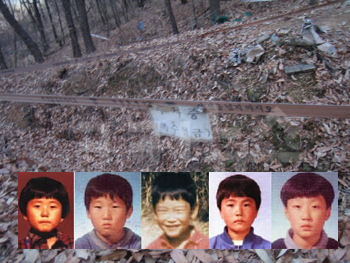
September 2002, their bodies discovered

an horrific crime uncovered
In 2002, rumours were rife about the boys having been accidentally shot by hunters, or that stray bullets had struck one of them from a nearby military shooting area, now defunct, and subsequently had been murdered to hide what may have originally been an accident. It was suggested the weapon may have been a screw driver, but more disturbingly, because there are more than single marks on the skulls with a consistency of pattern, it has been suggested a tool for slaughtering animals in an abattoir may have been used.
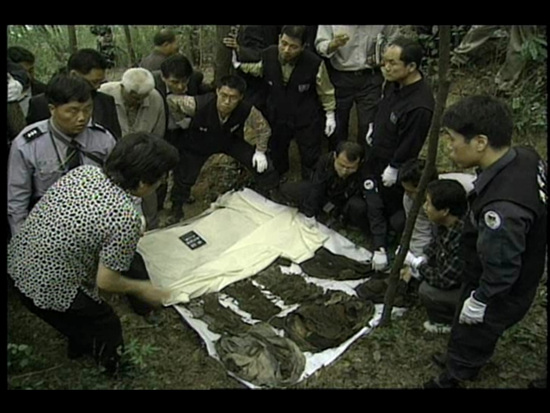
gruesome
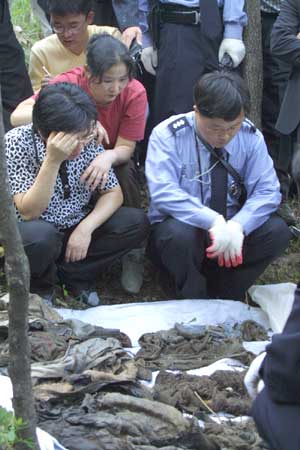
I remember one parent being interviewed on television; her son’s bedroom had not been disturbed since the day he disappeared. When a brace was found among the bones and bits of clothing, which would have belonged to twelve year old Jo Ho-yun, his mother said she couldn’t even recall if he wore a brace. I’m sure she could, but the memory probably too painful to envisage. Sometimes it’s easier to forget!
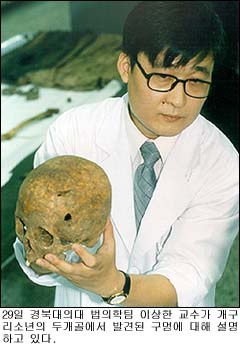
As 2002 drew to a close, the police were speculating the murder was carried about by a mentally ill person or possibly by bullies from boys’ school. How you bury a body on terrain that even in wet weather is rock hard, suggests murder was planned or the perpetrator had time to go back down the mountain for the necessary tools. And the only rumour I’ve never encountered, and which would probably be the first to circulate in the west, was that they’d been sexually assaulted. Despite the police promising to solve the case, now, almost another eleven years has passed and by Korean law, it would not be possible to try suspects. The case is now officially closed, and least in bureaucratic terms.

decayed clothing
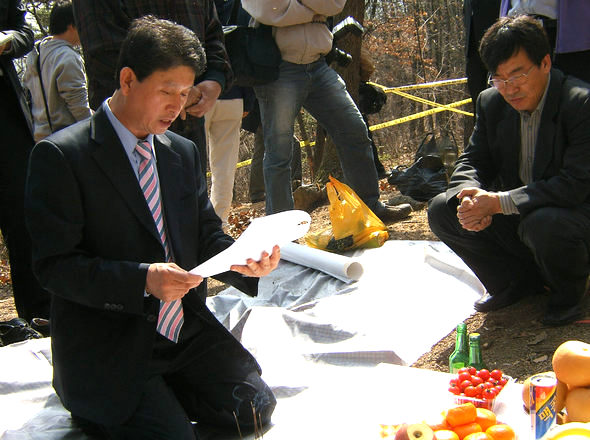
funeral rites where the boys were murdered
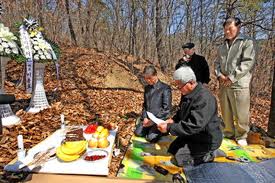
on the mountain
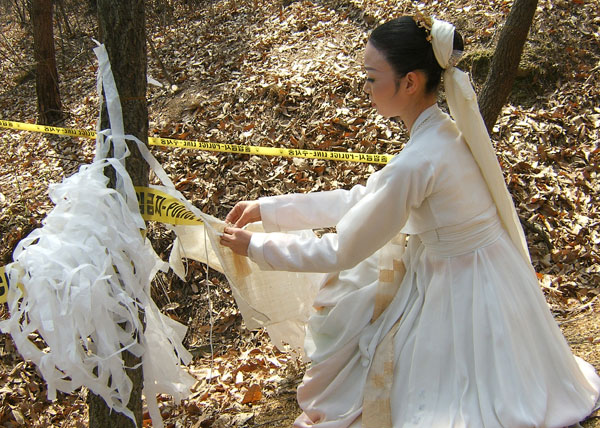
Traditional rites
Shortly after their bodies were discovered, funeral services were held and rites conducted at the location where they were murdered. However, the boys’ skulls were donated to the forensic research laboratory of a university probably because the type of implement with which they were killed remains unknown. The boys’ school, Song-so Elementary (성서국민하교) continues to mark the anniversary of their murder with a solemn ceremony. In February 2011, the film Children (아이들), was released recounting the events surrounding the Frog Boys, who would now be around 30 years of age. It is probably likely to remain one of this years most successful movies despite some criticism regarding its accuracy.
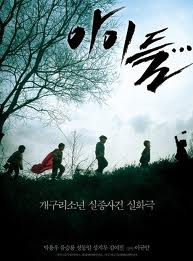
'Children' (아이들), released in early 2011
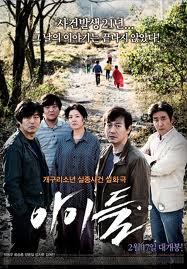
a box office hit
Occasionally, when I look up at Waryong or walk through its forest, I think of the horrific secrets that lie hidden under the canopy of sturdy pines and knotted and gnarled oaks and in those moments the beauty of the mountain is disturbed by something dark, dreadful and ominous. I am fortunate, like most people Waryong is primarily a mountain and I can find beauty where a horrific crime was committed, but for those parents still living in Song-so, I would imagine Waryong, rising up like an enormous burial mound, casts a permanent shadow on their lives and has done for over 20 years. If there is any conciliation, it is that their sons finally, after 11 years, came down from the mountain and away from that ghastly gully where they murdered.
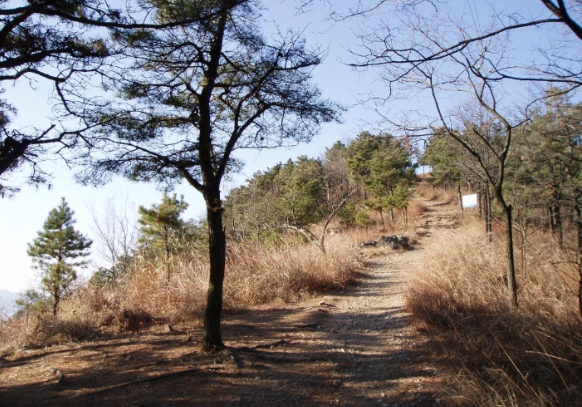
Waryong...
Bathhouse Ballads chronicles many aspects of my life in South Korea. Kimchi Gone Fusion focuses on ‘the way of the pickled cabbage’ while Mister Makgeolli is dedicated to Korean rice wine.
©Bathhouse Ballads – 努江虎 – 노강호 2011 Creative Commons Licence.
Further References
Children (아이들) 2011. (Nanoomi.net)
Joong Ang Daily November 13th 2002
Mid Term Treat

end of mid-term treat
Occasionally, my boss, Cherie, gives me her credit card and I’ll take some students for a coffee or ddeokpoki (spicy rice cake stew). Most Korean kids love this snack. However, the cash is flowing and the destination of their choice is usually Mr Big where they can eat fusion food, burgers or pasta. When some older students finished their mid-terms, cash card in hand we headed off to Mr Big.
Korean kids are excellent at both knowing how to behave in a restaurant and how to socialise with adults in their company. Many kids in UK would probably develop these social skills if ‘eating out,’ especially with a knife and fork, weren’t so expensive and more of a social custom.
© 林東哲 2011 Creative Commons Licence.
A Little Boy’s Diary
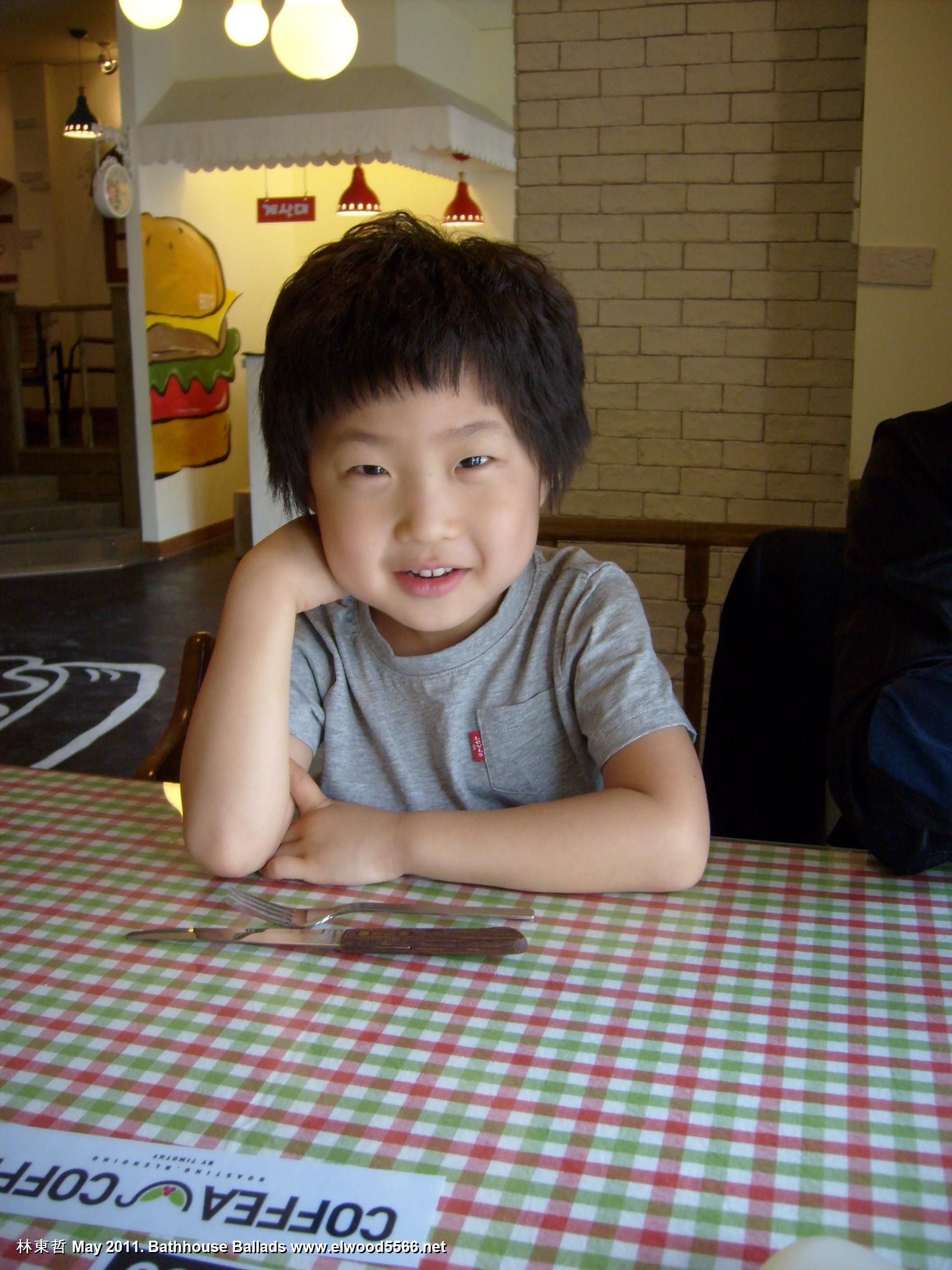
all smiles - it's a day off school
Meet Lee Hee-hoa (이히호). He’s the son of one of my oldest Korean friends, David, and is five years old in western years and six in corresponding Korean years (Koreans are one year old at birth). Hee-ho is great little boy who is usually always smiling and in school is one of those kids whose hand is permanently up ready to answer any question. However, he can be quite reserved and shy. He lives in a very large apartment in Daegu with his mum and dad, young brother and sister, grandmother and father on his father’s side, his father’s sister, her husband and their two children. Eleven people in one household is quite exceptional, even in Korea but David tells me they rarely have any arguments and all enjoy living in a large family. Indeed, they plan moving to another apartment later this year and have decided to continue living together.
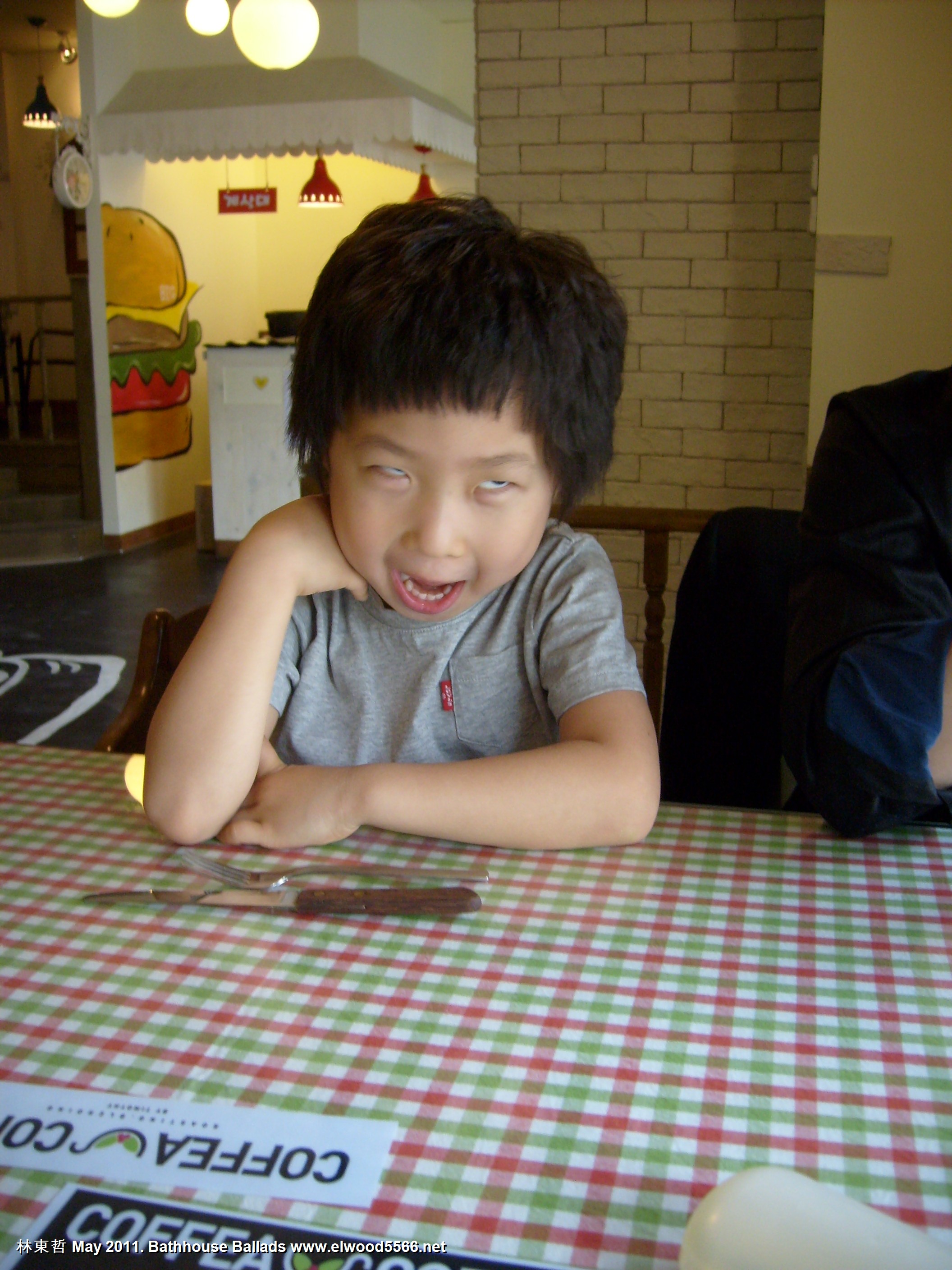
Hee-hoa's idea of a 'crazy face'
David runs a very successful English academy while his wife heads a maths school, nearby. As with most Korean parents, regardless of class, education is one of the most important facets of their children’s development. As compulsory education does not start until a child is 6-7 in western years, Hee-hoa attends a Kindergarten and this, along with his various other studies, costs his parents around 1 million won per month (c.£500).
Hee-hoa’s Timetable
Kindergarten starts at 0830 and finishes as 1430.
On a daily basis, he attends English classes from 1530-1630.
From 1700 until 2000, depending on the day, he has lessons in hanja (Chinese characters used in Korean), hangeul (Korean writing and reading), Montessori, and has both violin and piano lessons. For all but the Montessori sessions, tutors visit their apartment. Though not unusual for Korean children, this is a heavy workload but he actually seems to genuinely love lessons with violin and hanja being his favourites. When not studying or sleeping, he spends free with his dad, going for walks or on outings or simply plays with members of his large family.
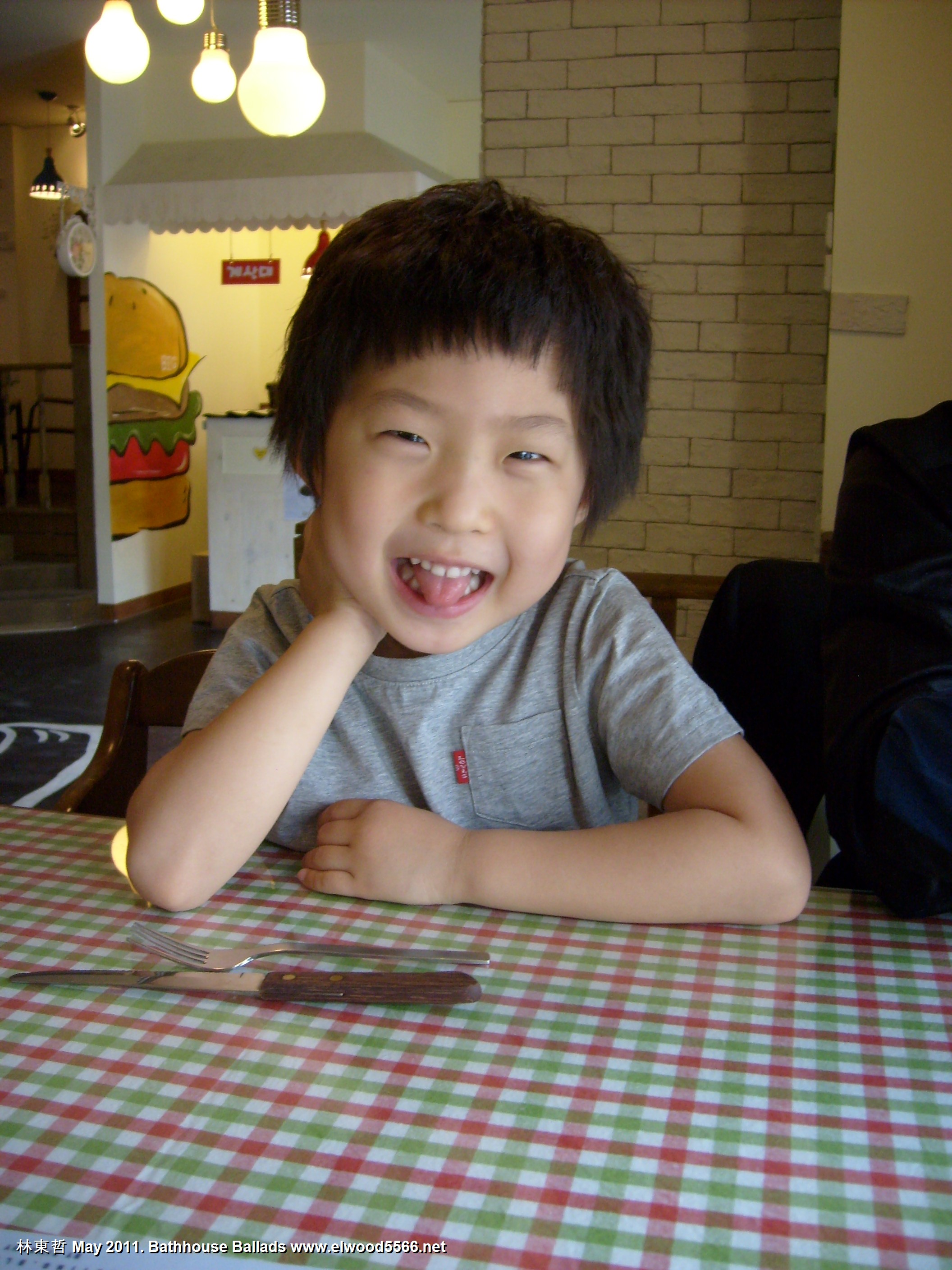
waiting for lunch
© 林東哲 2011 Creative Commons Licence.
At Least it’s not a Cockroach – Rice Weevils (쌀벌레)
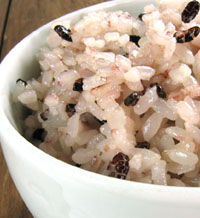
apparently, you can eat them
Over the long humid summer, one problem with rice is infestation by rice weevils. Their presence is noticed by small black additions to otherwise white rice. There are several means of keeping them out of your rice container, one of them being to place dried chillies and a head of garlic in the same container. Others are the use of airtight containers or placing your new bag of rice in the freezer for 24 hours. This method isn’t the best if you buy rice by the sack.
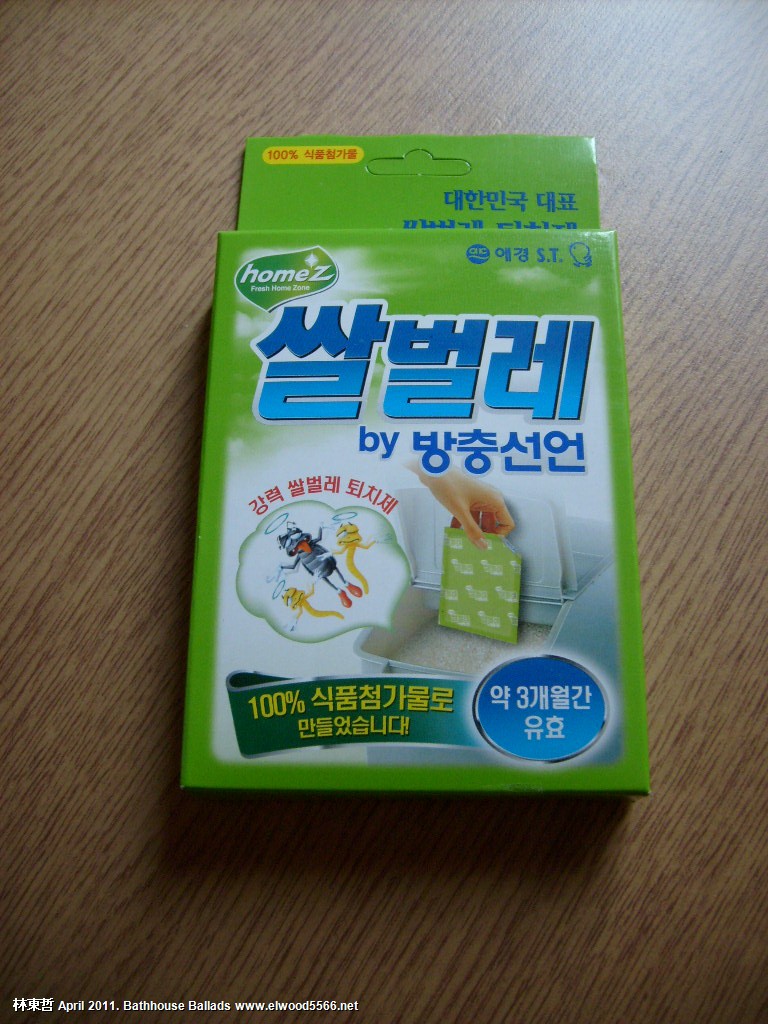
Home Z Rice Worm Repellent (쌀벌레). Naturally made
The best deterrent is a packet of ‘Rice Weevil’ (쌀벌레, by 방충선언), which costs about 4000 Won and is widely available. You simply snip open the packet and it sticks on the inside of your container. The smell is pungent and very similar to intense wasabi (horseradish) but it stays in the container and doesn’t flavour the rice. One packet gives 3 months protection.
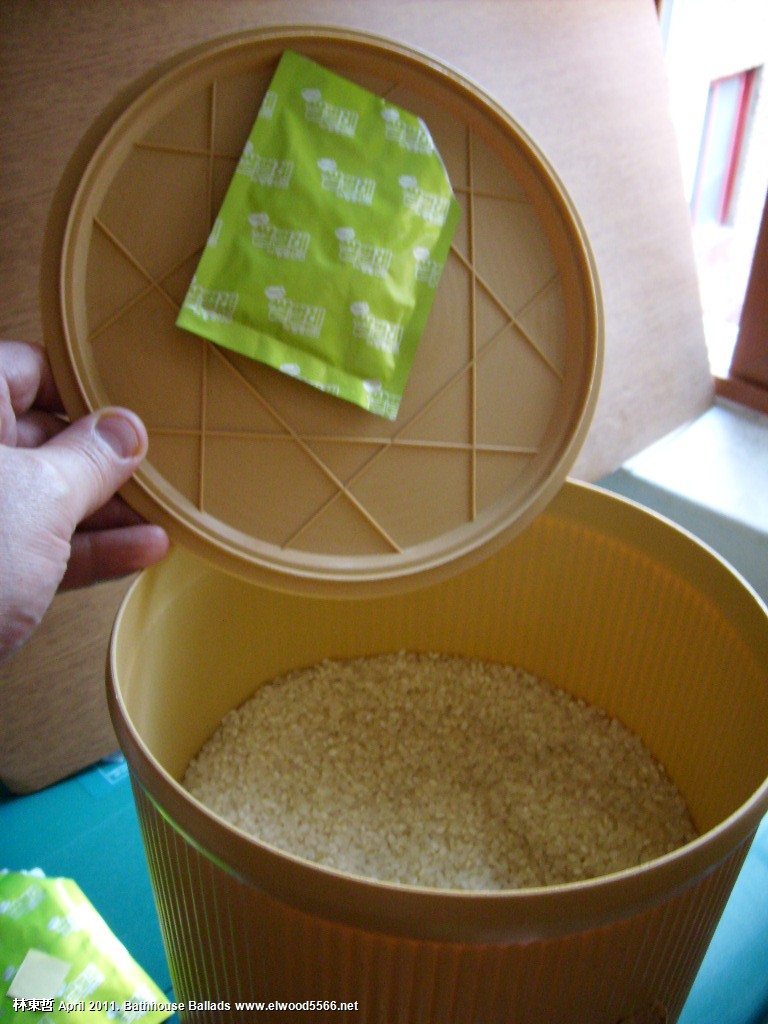
deters nasty visitors
© 林東哲 2011 Creative Commons Licence.
Seduced by a Guatamalan Beauty

Podcast 81
Finding a decent coffee in Korea is not difficult, but finding one where coffee’s sophistication isn’t assaulted by tasteless music, is. Most of the large coffee franchises and restaurants pump out shite music which has a broad appeal but I don’t particularly want to drink a coffee or eat lunch to the same music I’ve also been forced to listen to in the gym or by those teenagers zig-zagging down the road on their noisy hairdryer-powered mopeds. I suppose it could be worse; it could be muzak!
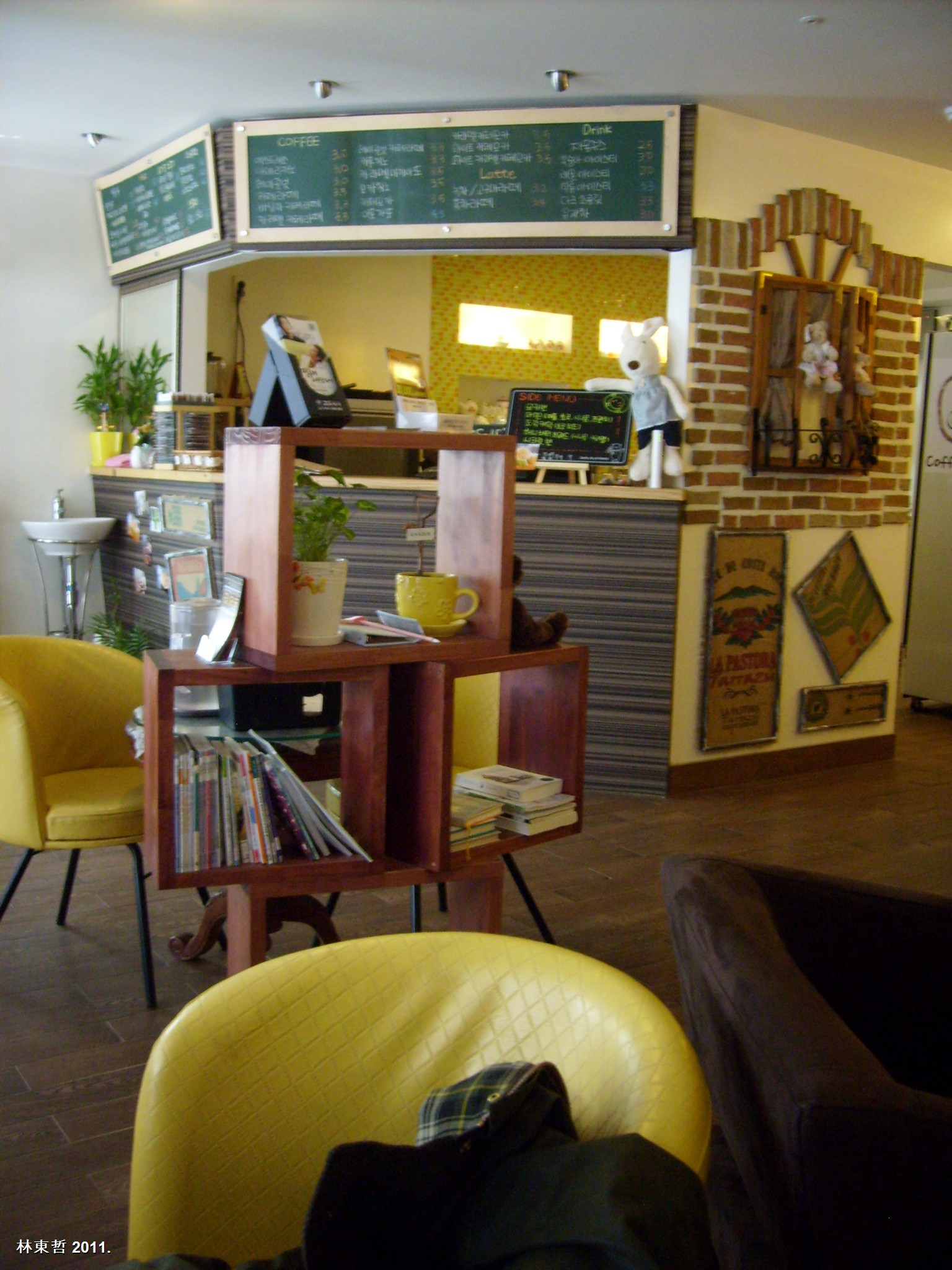
Coffee and Bun - calm, intimate and cosy... plus a buttery bun
I used to love a good cup of English tea, preferably Earl Grey though Lady Grey is also a favourite. Tea is one of the most refreshing beverages but I’ve learnt that there is something amiss with tea in Korea as there is something amiss with soju in the UK or Pimm’s No. 1 consumed indoors, in winter. My local Home Plus was selling boxes of Twinning’s Earl Grey last year at the amazing price of 2500 Won (£1.25) for 50 bags. However, whether it was the water or the milk, I could never brew a cup that was decent, let alone one the experience of which was sublime. And now I’ve become a coffee head!
If you follow the correct procedure you can guarantee a decent coffee with every brew but the perfect cup of tea is elusive and the method not as quick to reveal the full potential as is coffee. No matter how many cups of coffee I make, or which procedure I follow, every cup is simply okay and certainly coffee’s reliability to produce a good brew is its failing because in the randomness and unpredictability of tea, lies its greatest strength. And no matter how many different types of coffee I sample, they all seem to taste the same which I suppose is a reflection of my ignorance. Teas however, are much more distinct and their flavours and subtleties don’t require learning to be appreciated – and least not if your British.
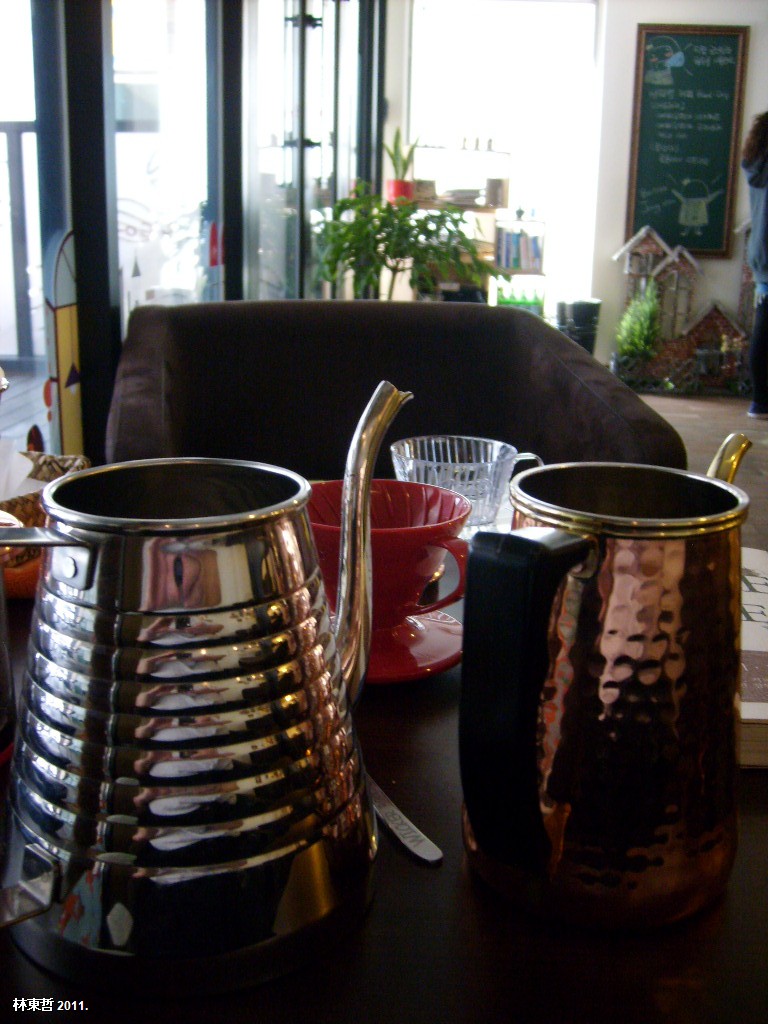
Almost one hundred and fifty pounds of pot
The perfect ‘cuppa’, worthy of a lengthy, ‘shi-won-hada’ (시원하다) which in this sense approximates, ‘oh, heavenly,’ is dependent upon something beyond the brewing method and even the closest adherence to brewing principles fails to guarantee its attainment. With tea, you accept that while most cups will be good, perfection is elusive. Yesterday, I decided to have an Earl Grey in Mr Big; it was a disappointment, the tea was served in a glass mug and I had to ask for milk. Earl Grey with milk never looks appealing in a glass cup as it is so pale and insipid and though it had a perfumed bouquet, as you would expect, and seemed to contain fresh tea leaves, though they could just as easily have come from a tea bag, there was something missing. So, until I’m back on British shores I guess I’ll have to be content with coffee.
My favourite coffee shop is the ‘Coffee and Bun’ near Migwang and almost directly next to the new football stadium sized coffee shop, (Korea’s most popular), ‘Coffee Bene.’ ‘Coffee and Bun’ is run by a young man who is totally obsessed with coffee and who has almost taken me under his wing as an acolyte. I can no longer venture here without being shown the latest coffee brewing paraphernalia or being asked to compare some beans. I don’t particularly mind, the café has an intimate atmosphere and usually the music is gentle and in the background and certainly has more sophistication than the pop-pap which is universally pumped out. If you thought coffee tasting was simple, let me assure you it is every bit as complex as wine tasting and among connoisseurs is known as ‘coffee cupping.’
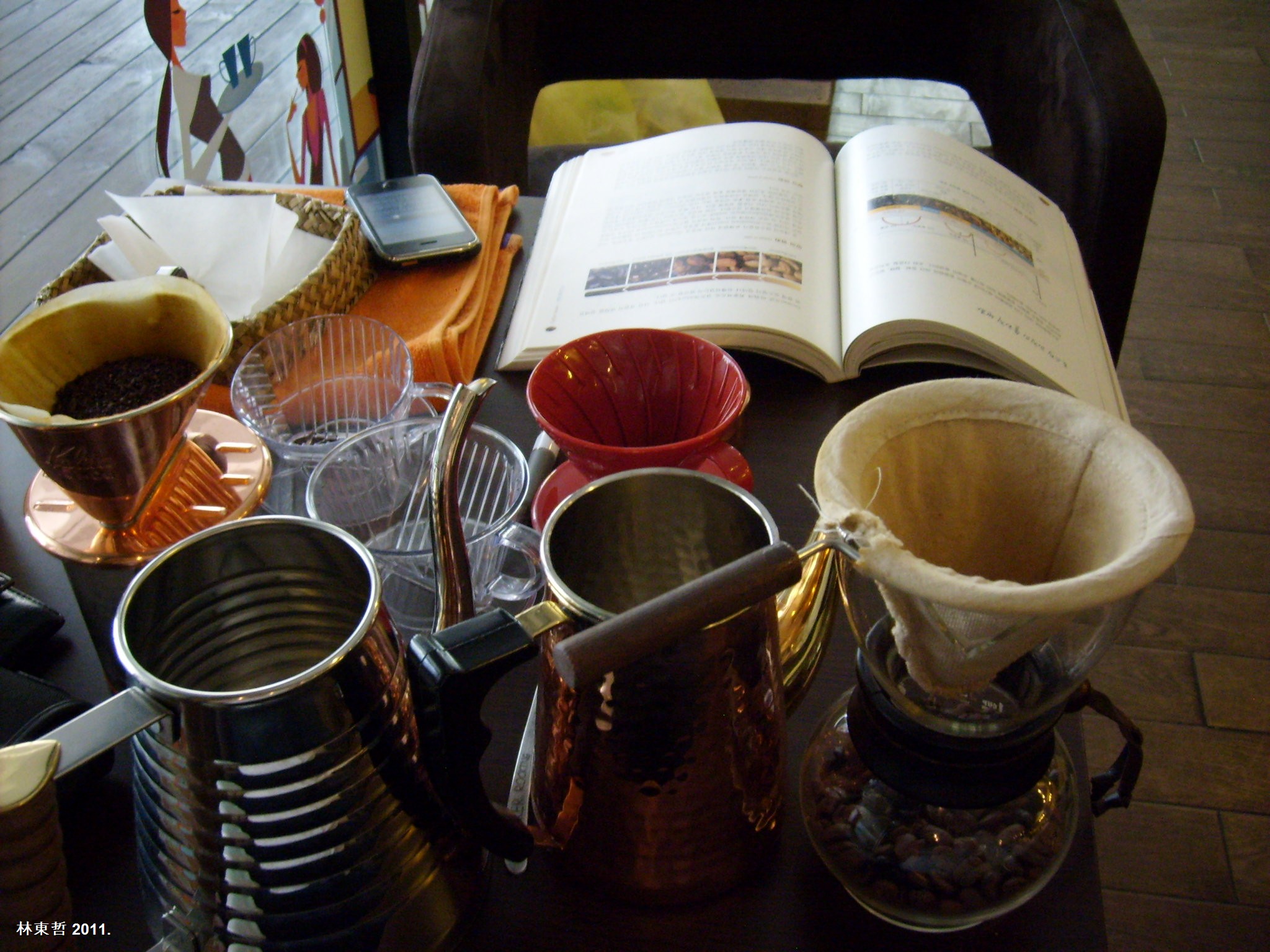
coffee paraphernalia
Unlike tea tasting, which is a fairly cheap hobby, coffee cupping can be expensive. Over several sessions Chong-min has paraded his entire range of coffee brewing utensils. Two pots in which boiled water is allowed to cool before pouring, one stainless steel, the other copper, cost 140.000 Won (£70) and 180.000 Won (£90), respectively. As the water needs to be poured at 195-205 degrees Celsius, a suitable thermometer is needed. Next, he has a collection of 5 coffee drippers in differing designs one of which is made with a fabric, while another, at 50.000 Won (£25) is copper. You would think coffee drippers a fairly standard item but in several of the books from the growing coffee library in a corner of his café, I can research their various designs and their pros and cons. Even the cheapest dripper (5000 Won) is cataloged in his books. Another glass utensil combines a coffee pot and dripper and the paper filters, almost the size of A4 paper which Chong-min folds with the dexterity of an origami master, are bought from the USA and cost around 200 Won each. In my ignorance, I’ve always used a food processor or blender to grind my coffee and now I learn this is vastly inferior to the conical burr grinder which guarantees consistency of grain. ‘Blade grinders’ simply smash the beans about producing an inconsistent ground of both powder and more sandy grains.
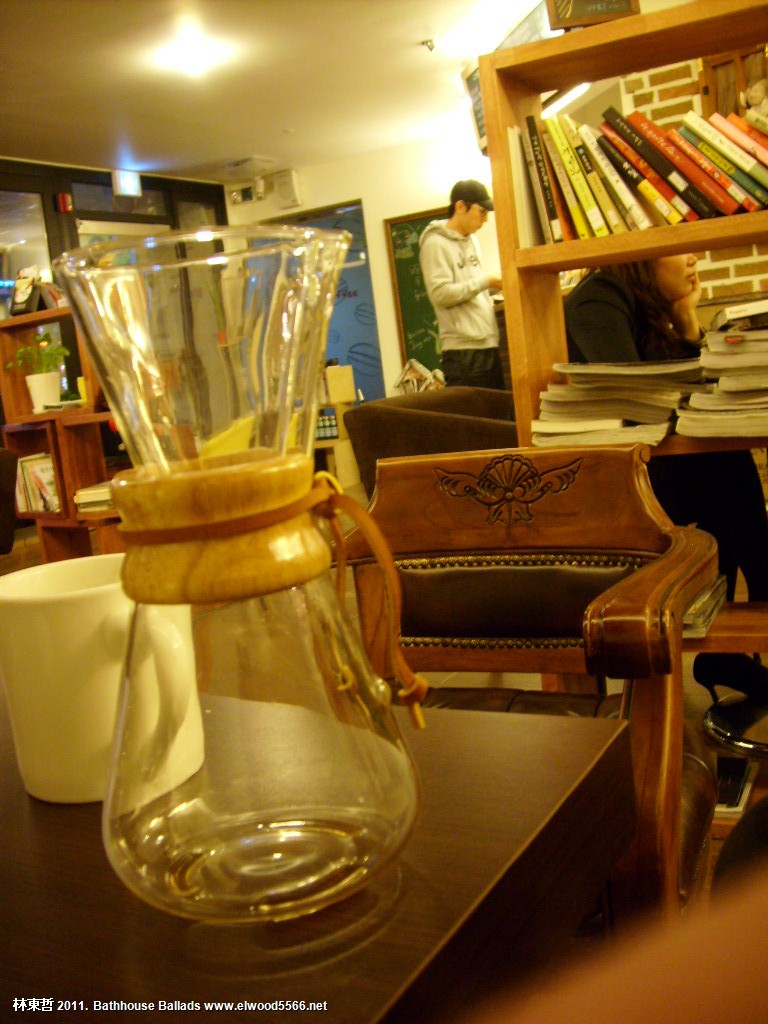
and more...
When the water reaches the magical temperature of around 92 degrees Fahrenheit, I am required to drip the water over the grounds in a spiraling motion after which we wait for several minutes. Naturally, we have scrutinised the beans, feeling them, smelling their aroma, assessing their oiliness, observing their colour and the grounds we have sniffed and sifted between fingers. We eagerly wait to sample the brew but as usual, the taste is not much different to the coffee I produce in my cheap coffee press using fairly regular beans smashed up in a blender.
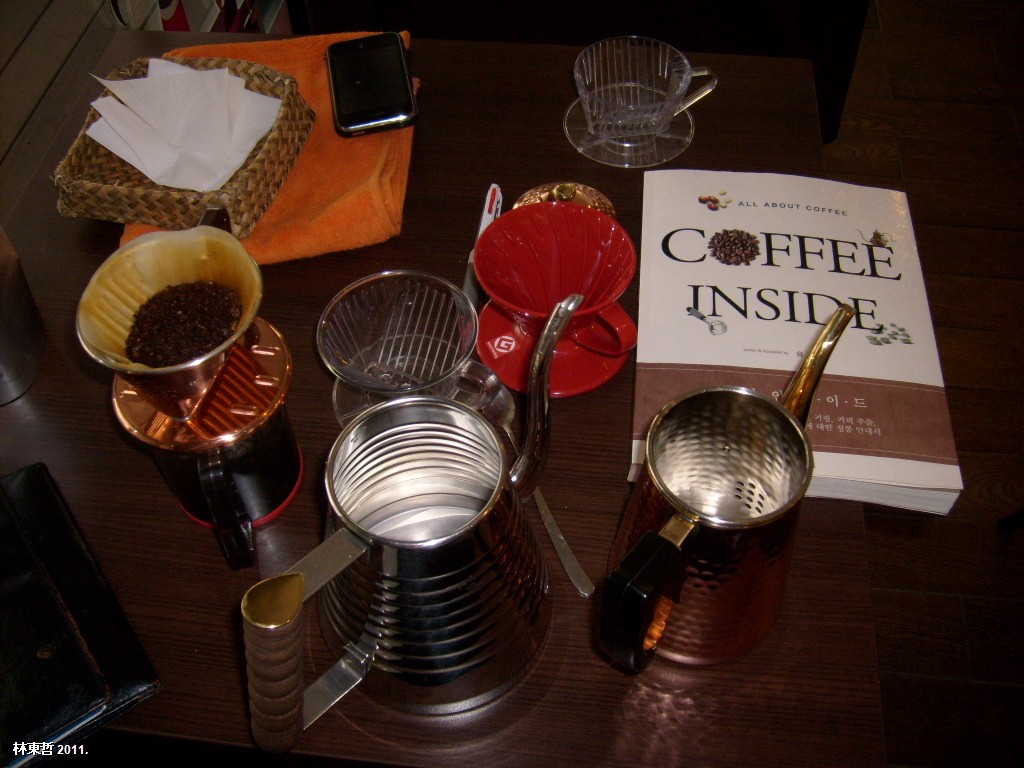
and the buns are delicious
I was beginning to perceive a good cup of coffee, more like an okay cup of coffee and in much the same light as I perceive a glass of Coca Cola, ie, as simply a fizzy drink with no greater potential to satisfy than any other fizzy drink, but the mediocrity of which is inflated beyond the realms of reason. I was beginning to think I’d been hoodwinked into searching for something that did not exist and learning a language, a jargon, that made something out of nothing. That was, until Chong-min presented me a cup of Guatemala (COE – cup of excellence). It wasn’t even brewed by means of his epicurean paraphernalia all of which I was beginning to suspect were the implements of an international coffee conspiracy. Even if I had not been aware of the superiority of this particular coffee, it would have made an impression. It’s announcement lay somewhere between an oral orgasm and a sledge hammer. I have no idea what was fantastic about it any more than I can really tell you what constitutes that elusive cup of sublime tea. To have deconstructed its superiority with descriptors like, ‘rancid/rotten’ and ‘rubber-like’ would have destroyed the moment. Like tea, once perfection is presented, it’s potential lasts only a few minutes. The ‘moment’ becomes even more appreciated when Chong-min tells me the beans cost 40.000 Won (£20) for 100 grammes. That’s a staggering 8 times the price of the most expensive supermarket coffee where 100 grammes costs around 5000 Won (£2.50). To the ignorant at least, and in the eyes of coffee cupping connoisseurs, I’m ignorant, no descriptor bolsters the taste of coffee more than ‘cost’ and I’m glad I was hit by the oral orgasm before I learned its price because price often has the capacity to turn shit into gold. Monk fish, in Korea for example, is prolific and cheap but in Britain, where at one time it was a poor man’s substitute for scampi, a massive hitch in price has reinvented it as an exotic, expensive delicacy patronized by the numerous celebrity chefs who entertain the nation while they sit down to TV dinners and food largely the product of factory systems. Monk fish is now the gentry of the sea, infinitively superior to that former bulwark, the salmon and vastly more sophisticated than the old scampi it used to mimic. Nothing inflates taste more, or subjects it to more scrutiny, or provides for it a jargon which only erudition can elicit, than cost.
I am pleased I appreciated the Guatemala (COE) before being made aware of its price and had considered giving up the pursuit of the perfect cup of coffee, which in effect really entails the acceptance of my ignorance. Now I can dispense with trying to learn perfection and in this case treat myself to the experience when I feel the need. Sadly, at 40.000 for a 100 grammes, my average weekly consumption, I’ll drastically have to reduce the number of cups I drink.
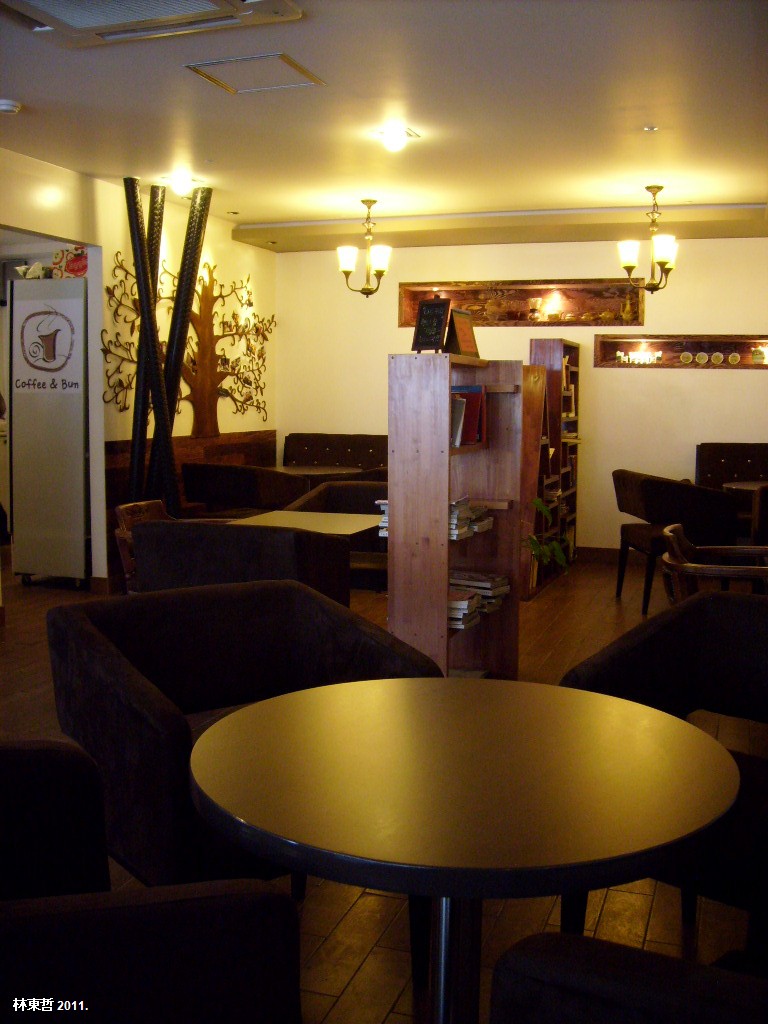
Coffee and Bun - a minutes walk from Song-So E-Mart.
Find Coffee and Bun on Wikimapia
© 林東哲 2011 Creative Commons Licence.
Books are Bad for Your Back
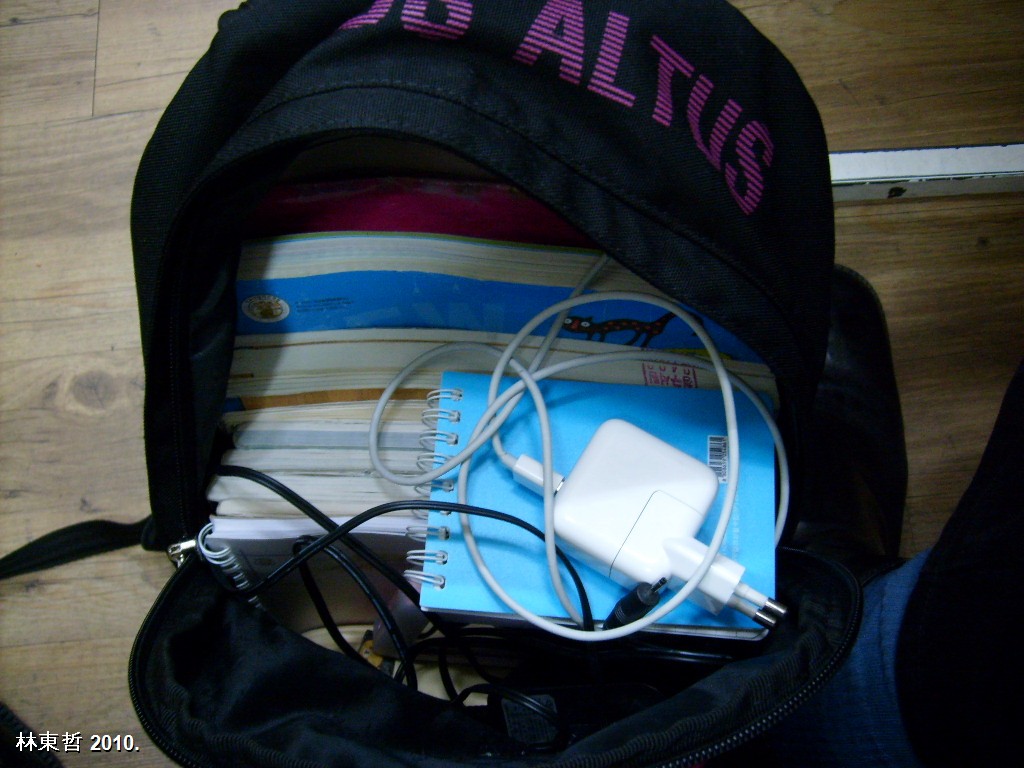
one of my student’s bags
Student’s bags stuffed full of books seem to be a concern globally. Of course, it seems only to be books that are bad as often the heaviest and bulkiest bags are ones crammed full of sporting equipment. In the UK, I live near a sports college , a euphemism I’ll refrain from exploring, and kids carry bags stuffed with football, cricket and sporting equipment. And what about kids who deliver newspapers?
Of course, the solution is simple, more online resources (which are not just credible but free) and reading materials produced in CD form. Unfortunately, in the dumbed down world, we’ve had to wait for several generations of software toys to be produced for the worlds cretons while the e-book and palm readers and a myriad of other intellectual potentials dawdle in the backwater. I still can’t effectively read a musical score in anything but book form and haven’t been that impressed with palm readers (though I haven’t tried a Kindle). You can realistically bludgeon someone to death in Grand Theft Auto yet the technology for reading a book is in its infancy.
This year, in an effort to reduce the strain on Korean students backs, many reading resources are being produced in CD format.
© 林東哲 2011 Creative Commons Licence.


 Elwood 5566
leave a comment