It’s Kimchi Time – Killing the Kimchi
Over the years I’ve had several temper tantrums which have resulted in my wrecking some valuable possessions. I’m not ashamed as I usually only ever lose my temper with objects, this being preferable to losing it with people, and the tantrum is never public. That I will talk to inanimate objects during a tantrum certainly curtails where they occur. The catalogue of damages is extensive: I’ve axe kicked a television, stabbed a pair of Japanese sai into a DVD player, wrapped a Gemeinhardt flute around the leg of a table, kicked to death a hard-drive that was being lazy and a thumped a laptop which used the Vista system. Let’s face it! Microsoft’s Vista deserved a more humiliating and public demise and after being forced to spend around £120 to purchase the latest Word package (it wouldn’t work with earlier ones), I am totally in favour of pirating anything Microsoft. I remember the days before Gates got totally greedy, when Word was a standard part of the Windows operating system. But I’m digressing…
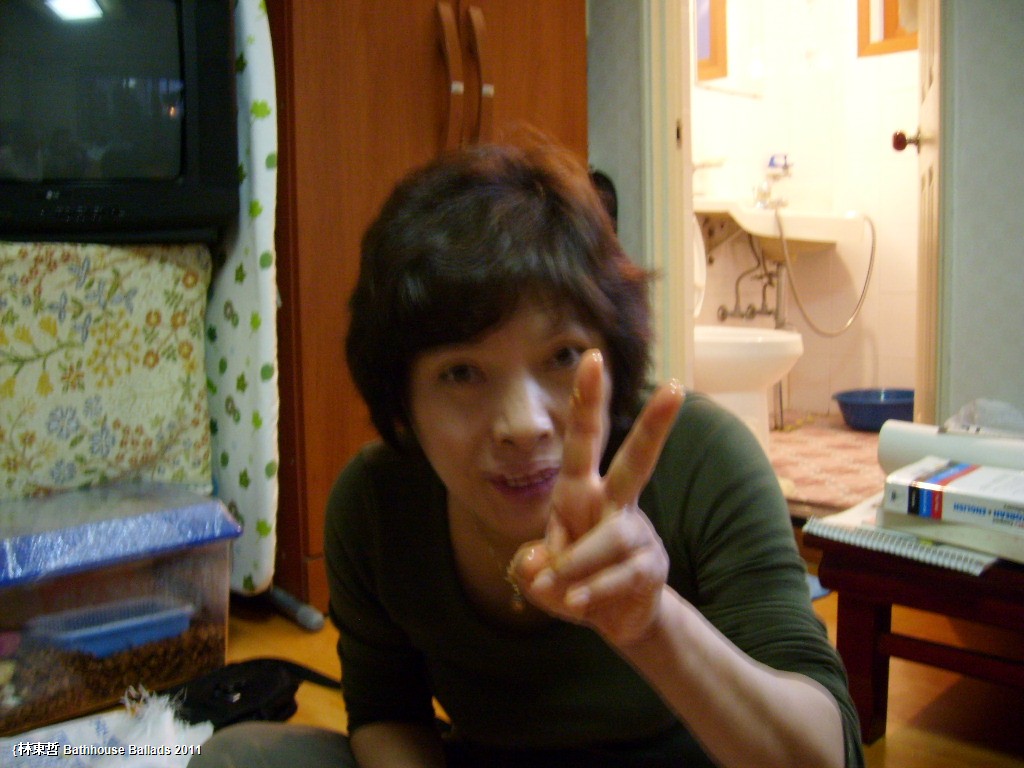
Sun-hee. My kimchi guru
Recently however, I’ve taken my tantrums out on kimchi that hasn’t wilted properly when doused with salt. A few weeks ago a cabbage that refused to wilt was given a stern talking to before being savagely torn to shreds. This weekend I got so annoyed with a badly behaved Napa that I ripped it apart and then cursing, dumped half a sack of salt on the remains. I realised, as about 4 kilograms of salt was burying the cabbage, that this was overkill and such a quantity was likely create a meltdown rather than encourage some wilting but in the heat of the monent all rationality evaporates. Later in the day, I met some friends who taking pity on my endeavours, came to my one room armed with two large cabbages and a new bag of salt.
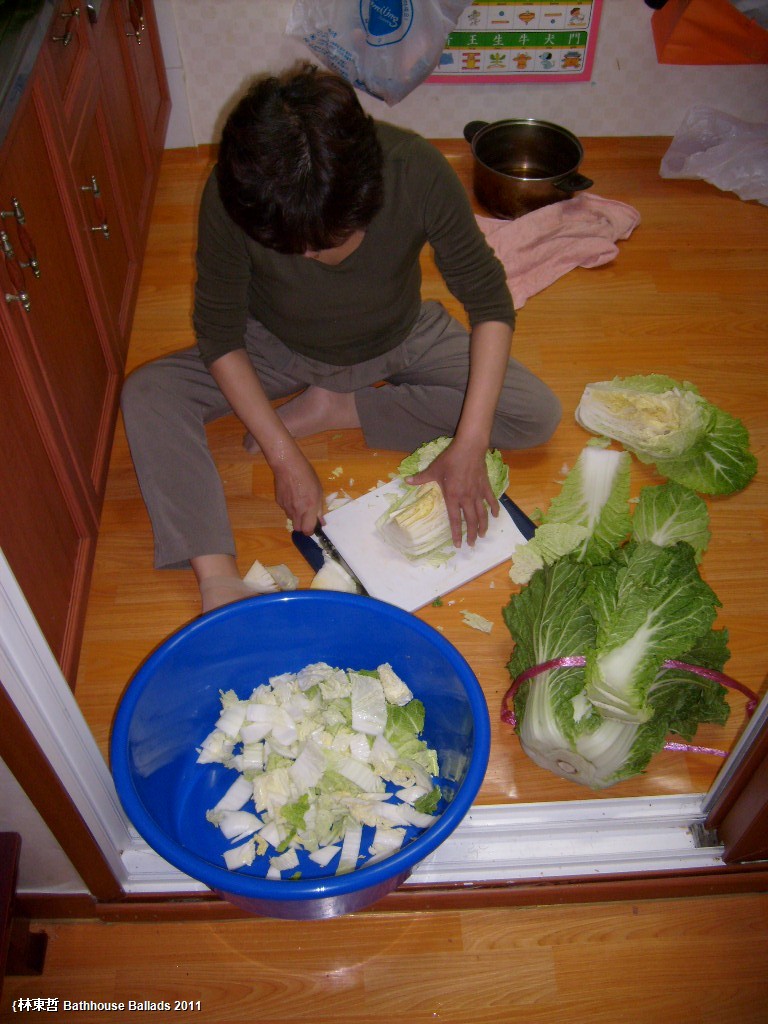
preparing cabbages for salting
There is no doubt that salting cabbage is the most problematic part of the kimchi making and yet in so many recipes the process is treated with such abandon you’d think a cabbage liable to wilt the moment the salt is brought into the same room. For the last few months I’ve made kimchi every weekend making small amendments to the previous week’s recipe or trying entirely different ones. This weekend I’d tried a recipe from a very well-known western chef who soaked his cabbages in water in which two cups of salt had been dissolved. Unfortunately, despite using the correct type of salt, the cabbages were fresher after twenty-four hours soaking than they were when I’d immersed them. The problems of salting are well documented on sites such as Maangchi where there are numerous comments on both inadequate wilting and excessively salty kimchi.
The most effective wilting method I’ve used is rubbing coarse salt into each leaf and while this produces the quickest response, the process is tedious. Coarse salt, such as Kosher or sea salt are imperative as a Napa cabbage (Chinese cabbage), is impervious to even the largest quantities of table salt. I usually make kimchi with quartered cabbages whereas Sun-hee’s chopped one large cabbage, around 1 kilogram, before folding 3/4 of a cup of coarse salt through it. Rather than grate mooli (무) as I usually do, she then added about 2 cups cubed. After tossing the mixture, it was firmly pressed down and left to stand over night. I was then instructed to ‘stir’ it in the morning and leave it for a further hour after-which it was to be washed three times. Not only was this salting process superior to other methods I’ve used, but it used less salt. Consequently, the taste of the prepared cabbage wasn’t salty which meant the actual saltness could be easily controlled by how much ‘fish sauce’ was added in the final part of the paste making process.
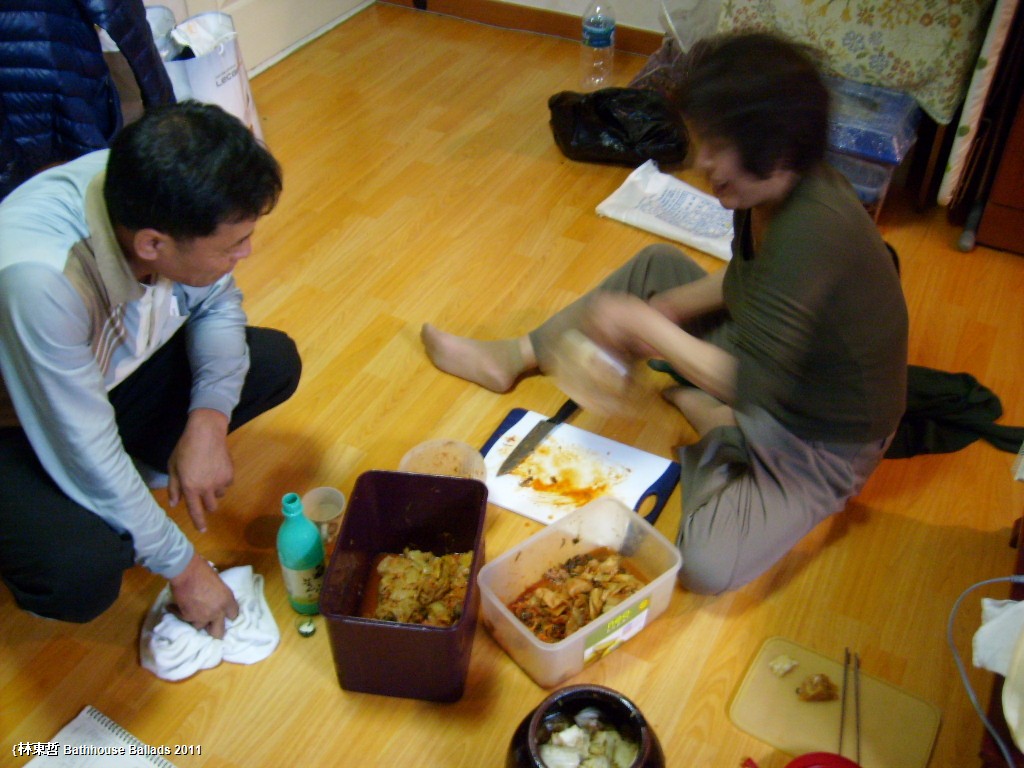
Chun-hee and Sun-hee. Spot the makeolli!
I’ve also discovered that using dried chillies to make you own pepper powder (고추 가루) can be problematic. The dried chillies I bought are slightly smaller than the ones I usually see and are thus hotter. Consequently much less is required to make kimchi paste. I recently used only half a cup powder for one large cabbage (1kg). While my latest kimchi is tasty it has lost the vigorous, rich red colour and I intend to return shop bought chili powder in the future.

© 林東哲 2011 Creative Commons Licence.
Monday Market – Dried Chillies
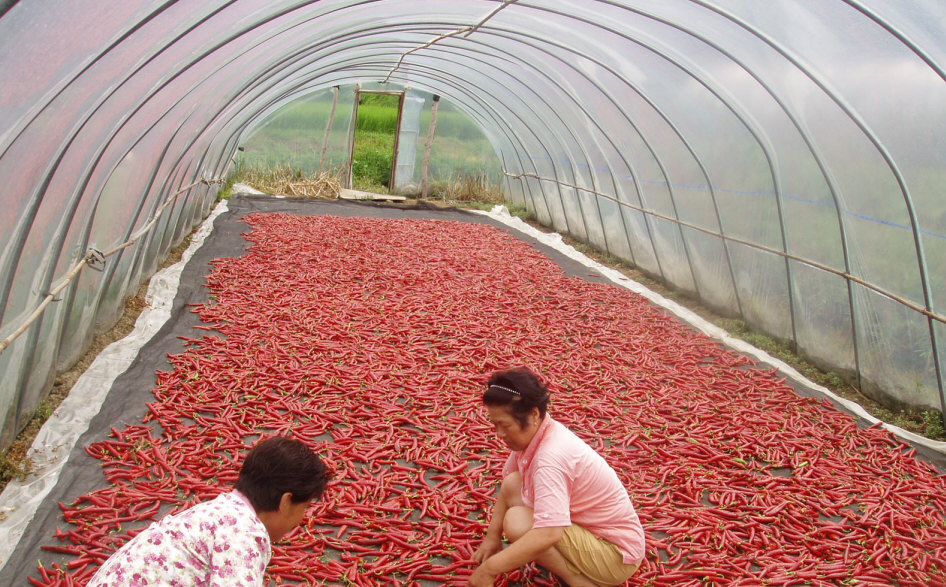
red chillies being dried
Every autumn I intend buying a large bag of dried chillies and eventually, this year, I did. With a sweet aroma, rather like cherry tomatoes, they smell wonderful but ground, the powder is far hotter than that I usually buy in the supermarket. I suspect this is because I procrastinated buying a bag, as they are usually sold in large plastic sacks, and waited until the very end of the season. The bag I bought was about a quarter of the usual size and the chillies slightly smaller and perhaps more potent. They cost 20.000 won (c£10).

my end of season bag
Of course, the drawback is you need to grind them and I suspect you are supposed to de-stalk them prior to this process. Being lazy, I haven’t bothered with this and simply grind whole chillies complete with their little green appendage. Koreans eat chilli leaves so I see no point in removing stalks.

seriously big bags of red chili
I have had to seriously curtail the amount of powder I use in kimchi and my most recent batch, made this weekend and which consisted of about 1.2kg of salted cabbage, used only 1/3 of a cup of ground chili. In the past I have used as much as two cups of powder for this process. My Koreans friends found 2/3 of a cup too spicy. I was going to buy another bag, a large one, to last me the year but it seems the dried chili season is over. Buy the time I’ve used my current supply I’d imagine the novelty of dried whole chillies, something you never see in the UK, will be over and like most of my female friends, I’ll return to the convenience of packeted supermarket chili flakes.
© 林東哲 2011 Creative Commons Licence.
Forget About Fat People. What about Fat Supermarkets?
Recently, there has been some coverage in the British press about the findings of a twenty year study into weight gain. The findings reveal that over 20 years the average weight of the population has increased by sixteen pounds. Further, it seems that rather than weight gain being the product of lazy people lacking will power, an approach the media and many of the moronic public have taken in their attempt to stigmatise and persecute the overweight, it is more the case that gradual changes in eating patterns, and what is available on shop shelves, over a long period of time, increase weight.
The speed at which Koreans are becoming fatter is quite alarming and while I only saw a few chubby kids 10 years ago, I now see obese Koreans on a daily basis. At the same time the girth of Koreans is expanding, changes are occurring in shops and you can almost see corresponding ballooning of Korean bellies as new foods are introduced. It is quite clear that obesity is a product not of sloth and ill-discipline, but the western-style diet which with its fried chicken, pizzas and burgers, has already made an impact on the Korean peninsula.
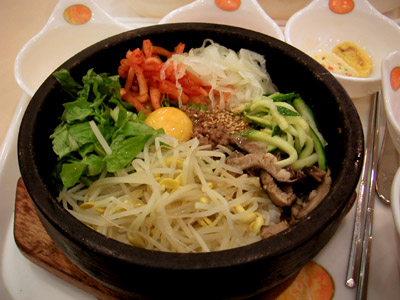
traditional Korean food is gradually being usurped by high sodium, high fat, western food.
My local E-Mart used to have one frozen food chest cabinet the contents of which were not very enticing, mostly mandu, pork cutlet and ice cream. In the last few weeks the amount of frozen food has tripled and now includes numerous micorwave-able options such as black noodles, spaghetti Bolognese, garlic bread, curry and rice etc. For the first time, I saw a co-worker eating a microwave meal for dinner. I also notice the introduction of cheeses and butter both of which were formerly difficult to obtain. Now, Monterrey Jack, British Cheddar, Brie, Camembert and Gouda are all available plus Danish Lurpak butter. I wonder how long it will be before there are the 35 different types of butter and 46 different types of cheese I counted yesterday in the Waitrose in my hometown.
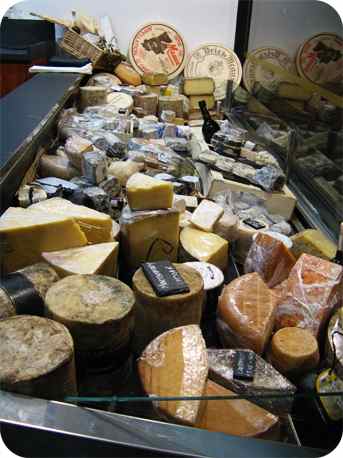
a British cheese counter probably contains more calories than the entire food section of a Korean supermarket
I have written before about the absence of tinned foods in Korea but no doubt their introduction, along with those enormous slabs of chocolate, almond, fruit and nut, Belgian white, Milky Bar etc, which will join the lonely double Snicker bar, are pending. Today, in my hometown Tesco’s One Stop, I counted 33 different brands of chocolate weighing between 125 and 250 gr per bar.
How the average person becomes 16 pounds heavier over 20 years ago ,(and the average weight is still increasing), is not rocket science. Along with an increasingly sedentary lifestyle and the many changes in what is available around us, the pounds gradually accumulate. The Big Mac and Whopper, former bulwarks of the fast food industry are now pathetic little things, dwarfed by subsequent generations of super and mega burgers. Burger King’s, triple Whopper with cheese packs 1250 calories, Hardee’s 2/3 pound Monster Thickburger contains 1320 calories along with a massive 3.20mg of sodium while the humble cheese burger has psychologically shrunk to the size of a coin and seems a positively healthy morsel by comparison.
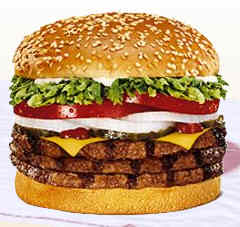
the equivalent to around 8 kimbaps
In my last stint in Korea, my weight has not only dropped by some 20 kg, but I have managed to keep it off without any real effort. The goodies that tempt me back home simply don’t exist and a trip to the supermarket, even the largest, isn’t half the temptation it is back home. It seems quite apparent to me that the more westernized the Korean palate becomes, the fatter their girths expand.
Currently, there in an obsession with obesity and attacking the obese has become a form of entertainment. Forget fat people and focus on fat supermarkets! It is abundantly clear there is a link between culture and weight so much so that it is perhaps time we demanded our supermarkets produce statistics which reveal not just the percentage of fat and sodium in their food, but its average calorific value. If the weight of the average British person is rising it probably because the places where they shop for the bulk of their food is providing a greater range of items high in calories. And if you shop in a fat supermarket, or live in a fat society, it should hardly come as a surprise. Fat supermarkets make fat people!
Further references
Red Pepper and Bean Paste Stew – My Recipes
Key Features: Korean fusion / very healthy / adaptable

red pepper and bean paste stew and black bean tea (까만콩 자)
This is probably one of my favourite Korean meals and it originated from a recipe for o-geo-chi kalbi doen-chang guk (우거지 갈비 된장국). It is very versatile and I often eat if for breakfast but with a larger portion, rice and side dishes it becomes a filling dinner. O-geo-chi is basically the outer leaves of cabbage (Napa/Chinese) or any other vegetables.
I have found Koreans tend to be quite rule bound when it comes to cooking and I have even be critcised for putting pepper in food. Indeed, a number of Korean women have found the idea of combining bean paste and red pepper paste strange even though I originally found this recipe in a Korean-Korean cookbook. You can use pork, especially belly pork (cut sam-kyeop style – that is the same cut as bacon before it is turned into bacon) or simply tofu. I have used numerous vegetables and sometimes even made it without o-geo-chi. I recently added some black beans at the same time I was making black bean tea (까만콩 자) and was reminded of German bean soup.
INGREDIENTS (for one)
• some outer leaves or spinach
•a pinch of small anchovies (myeolchi. Failing this use some form of stock)
• pork, (a few slices or pieces) and or tofu
• 1 desert spoonful of bean paste (mild) 된장
• 1 or 2 diced garlic cloves
• 1 desert spoon of sesame oil (optional)
• 1 desert spoonful of soy sauce (again I often omit this)
•1 teaspoon of red pepper (고추가루)
•a handful of any chopped vegetables, carrot, potato, leek, onion, mushroom, etc.
•small piece of chopped ginger.
•salt and pepper to taste (the pepper actually part of the original recipe)
•1 teaspoon of green perilla seed powder (들깨) or ground sesame
•sesame seeds
•3 cups of water
METHOD
1. Put everything, except the sesame seeds into a pot, bring to boil and then simmer for up to 30 mins depending on the type of meat, if any, you are using.
2. Remove from heat, add salt and pepper to taste and if you wish a teaspoon of extra sesame oil (sometimes I don’t add any oil until this stage). Finally, sprinkle with some sesame seeds.
This stew can be eaten alone or with rice and side dishes.
OBSERVATIONS
VARIATIONS
Add kidney beans or black beans
Replace meat with some mackerel
©Bathhouse Ballads – 努江虎 – 노강호 2012 Creative Commons Licence.
Cereal Teas – Black Bean Tea (까만콩)
I’ve only seen this tea in bottles though I believe you can buy it in tea bag form. The bottled variety is quite an unusual tea in that it is creamy, almost like milk, while being totally watery. Most drinks with zero calories are ‘just’ okay, this one is actually more and has a very distinct and enjoyable taste.
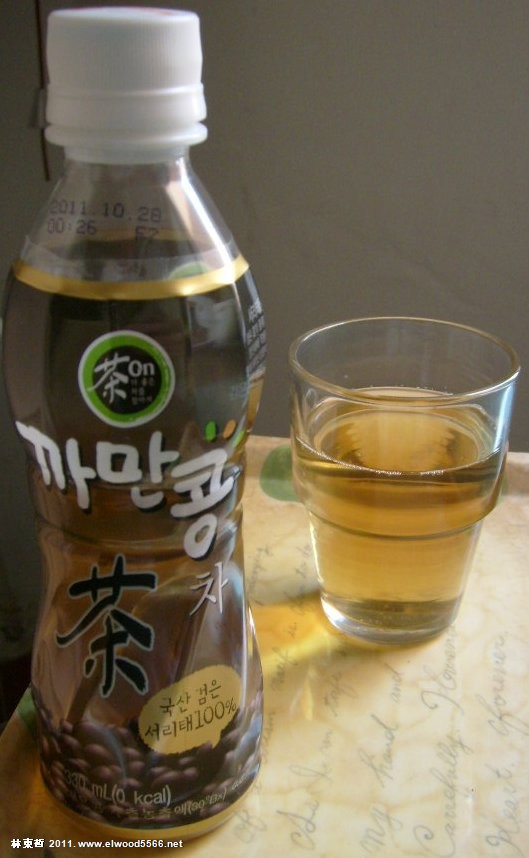
black bean tea
© 林東哲 2011 Creative Commons Licence.
Eat Like a Dinosaur in Daegu

Dinosaur Buffet - a meat eaters heaven
Sometimes, I just want to indulge in some ‘western style eating’ – a euphemism for eating unhealthily. Korea has plenty of unhealthy western-style junk foods, most commonly fried chicken and pizza, but it’s never quite right and has been Korianised to make it more appealing to the home market. While the fried chicken often comes very close to satisfying my British taste-buds, I have never really taken to the way the bird is chopped up. That leaves the nastiest junk food of all, indeed the King of Junk, the Burger! Let’s face it, a real burger is vastly superior to corporate anatomical slurry patties containing up to one thousand different cows per burger, a claim made in the documentary movie, Food Inc. And while corporate burgers can be ‘okay,’ they’re not that great unless of course, you’ve had your taste buds seriously dumbed down.
And the thing I miss most about western eating is a good plateful of meat. Most Korean meals contain much smaller portions of than we would eat back in the UK and I reckon that with a meaty breakfast and evening meal, I can consume more meat in one day, than I do in a week in Korea. However, I recently discovered the ideal place to eat as much meat as you want; a carnivore’s paradise; Dinosaur Grill Meat Buffet. Here, salad, rice, and side dishes are minimal but the meat comes by the carcass. For 15.000 Won (£7) per person, you can just help yourself to the meat at the ‘in-house’ butcher’s counter and barbecue it at your table. There are burgers, real ones and not the pallid, dry one found in Mac D’s, great, spicy sausages, various cuts of sam-kyeop, pork steaks, and even cuts of beef.
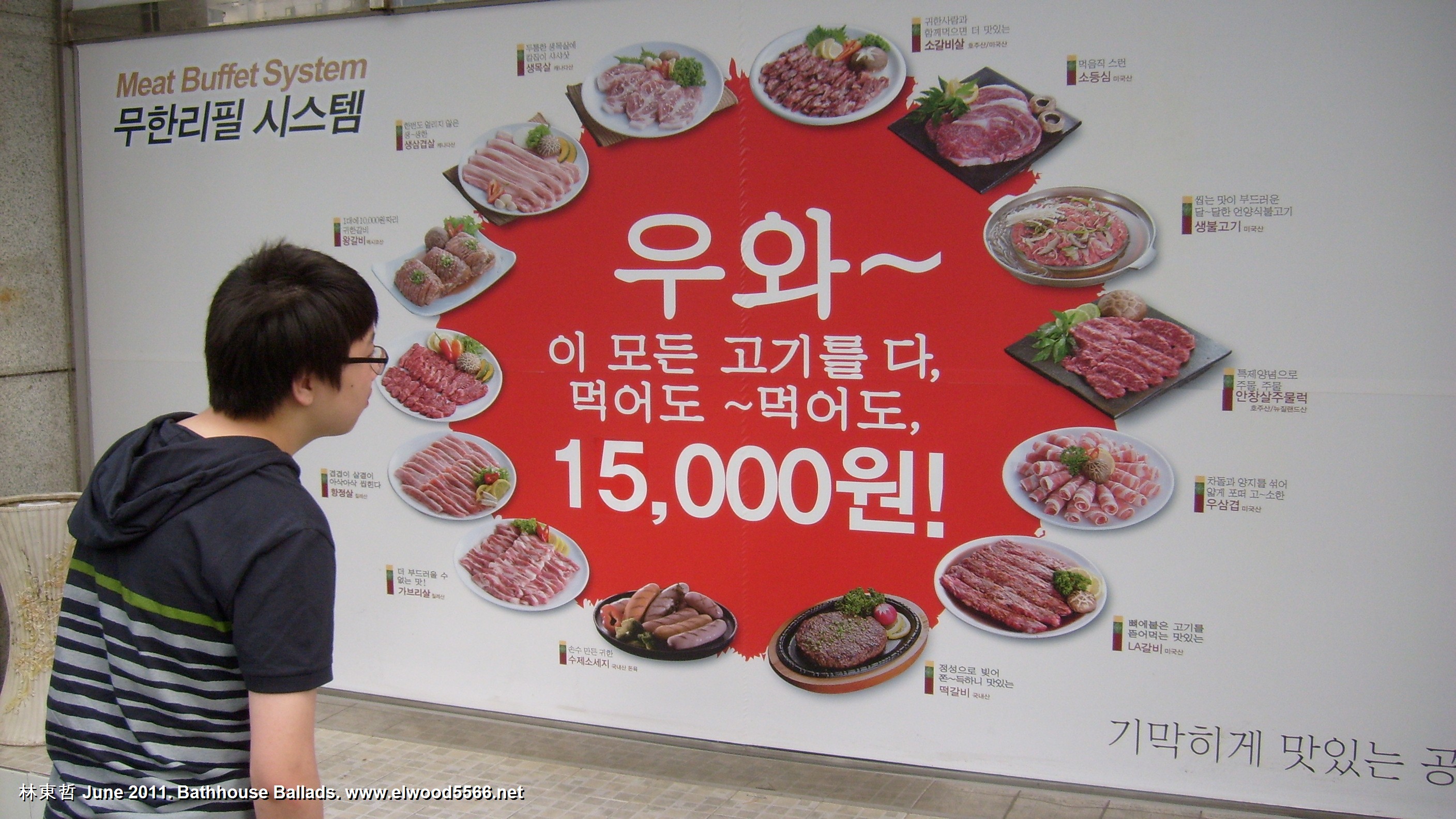
a wide choice of meat
A few Koreans I recommended this establishment to ask me about the quality. I have to remind them I’m from Britain where the majority of pork has been bloated with water so that the moment you start cooking, it pisses all over the charcoal. Most British pork or bacon can no longer be fried because by the time the pan has heated, the meat is floating in a puddle of additional water, thereafter it simply boils. And then there is the pork from Poland, wadges of fat with the occasional slither of meat. In Britain, meat has been adulterated forcing you to pay extra for what it should have been in the first place. Naturally, I find Korean meat of superior quality and after a bottle of makgeolli, it tastes even better.
Last week, the buffet bill for 3 adults plus 4 beers and 2 bottles of makgeoli amounted to a little over 60.000 Won (£30). The restaurant has both traditional floor seating and tables.

5 minutes walk from Wonderful Spa Land Bathhouse
Dinosaur Grill Buffet is very close to Wonderful Spa Land and indeed you can walk between them in around 5 minutes. For the Wikimapia link click here. Both Jincheon and Wolbae subway stations are nearby.
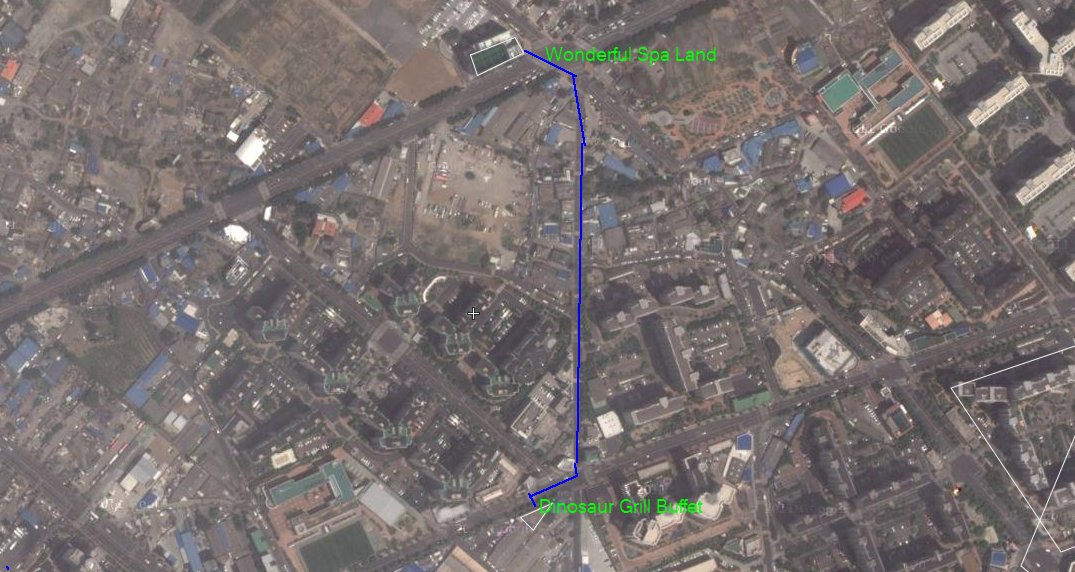
Jincheon and Wolbae subway stations lie this side of the restaurant
© 林東哲 2011 Creative Commons Licence
Beating Boknal (4) 2011

Boknal (복날) is coming!
The hottest period of Korean weather will begin in mid-July when the chang-ma (장마 – monsoon season) has begun to move north towards Manchuria. The hottest period, lasting 2o days, known as boknal (복날), begins on ch’obok (초복) which this year is July 14th. 10 days later is chung-bok ( 중복 – July 24th) followed another 10 days later by mal-bok (말복 – August 3rd). The three days, ch’o, chung and mal, (초, 중, 말) are known as sambok (삼복), ‘sam’ being the Sino-Korean for ‘three.’
Two add confusion, there is Hanyorum (or hanyeoreum, 한여름) which is basically ‘midsummer’ and this begins once the chang-ma (monsoon) has fully moved north. Hanyorum, usually in August, is typified by hot days and balmy evenings. Though the monsoon has gone, it is still humid but perhaps I notice it more being British.
Boknal is supposed to be uncomfortable but personally, I find the humid monsoon season just as horrid. I suppose with boknal you know the end of summer is in sight.
Ways to beat boknal – or at least make it bearable:
sleep with a ‘wooden wife’ – she’ll only cost you about 10.000 Won and apart from being lazy she’s totally mute!
Korean teas, chilled are wonderfully refreshing if not a little ‘just’ in terms of taste.
iced coffee
wear silver summer trousers – I’ve heard the material these suits and trousers are made sometimes called ‘kal-ch’i (갈치) after the silver cutlass fish seen in markets. I’ve had two pairs of these made and they lower body heat considerably.

handkerchiefs and towels – in cheapo ‘dollar shops’ you can buy handkerchiefs for about 1000 Won. I usually find Koreans regard sweat almost as nasty as urine – which is basically what it is!
ice rooms and cold pools – a brilliant way to cool down.
cold showers – pretty obvious, really.
hand fans – plenty to choose from
Then there are a range of foods for combating heat known as bo-yang-shik (보양식). Fight heat with heat (이열치열); Ginseng chicken, and stews including dog stew (보신탕), are the foods typically eaten on three days marking boknal and chicken ginseng is a big favourite right through summer.
Alternatively, fight heat with cold and cool down with patpingsu (받빙수), naeng myeon (cold noodles) and plenty of water melon.
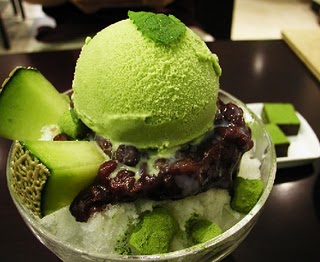
Green tea patpingsu
Chill out in one of the numerous cheong-cha (arbors – 정자), they are great at capturing what little breeze is in the air.
Best of all, get naked and lie in the blast of the air-con!
© 林東哲 2011 Creative Commons Licence.
Related articles
- How to Stay Healthy in the Summer Heat According to Chinese Medicine (acurelief.wordpress.com)
When Weird is Normal – Traditional ‘Beggar Singers’

Podcast 86
Experience has taught me to avoid them like the plague. Traditional singers (각설이 or 품바), sometimes known as ‘beggar singers’ are often seen in festivals, towns or cities; sometimes they appear in a troop, as a sort of band and at other times as individuals pushing a kind of decorated cart.
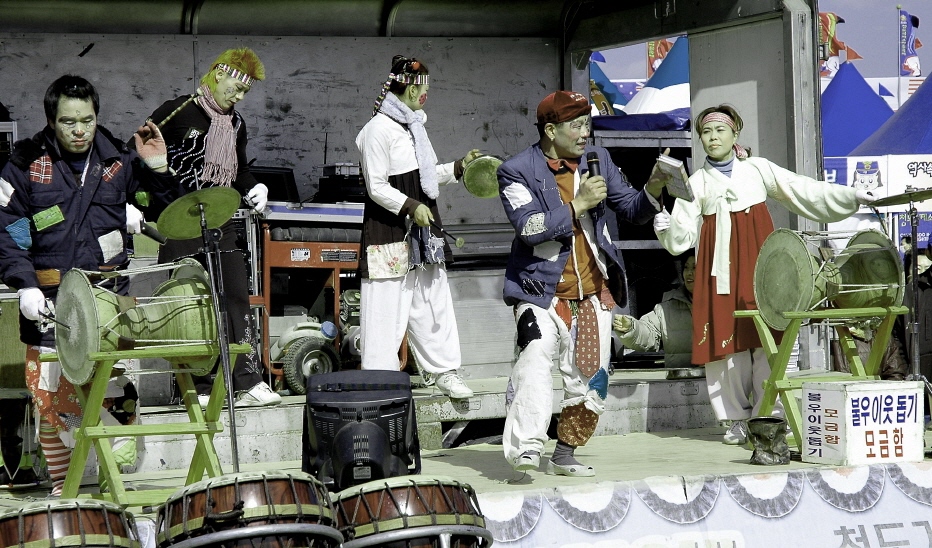
the ‘band’ in action
The ‘bands,’ for lack of a better term, consist of a central character, always bizarrely dressed, supported by others who take part in the comedy and play the various percussion instruments which accompany singer and prerecorded support. This type of entertainment is popular at various types of festival.
The individual performers are also common at festivals but are often seen in towns. They usually push a barrow which carries various props, an audio system, sometimes even a computer and screen capable of playing karaoke and sell traditional pumpkin toffee, hoa-bak yeot (호박엿).
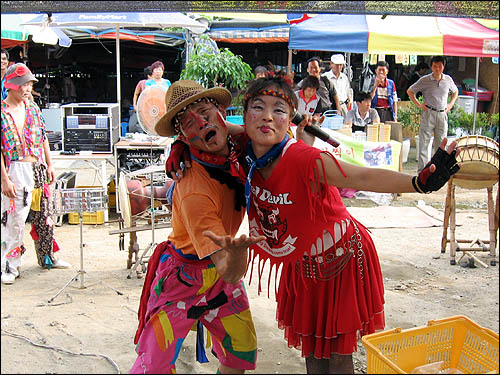
kak-sor-i
Why do I steer clear of them? My first encounter was on the streets of Daegu only a few weeks after arriving in Korea. It was a hot afternoon in September and I was on my way to work. Attracted by the strange singing and the even stranger apparel of a man who looked like Boy George in the early stages of his career; when he prettied his face and wore farmer’s milking smocks, I stopped to watch. A big mistake! Nothing aids a kak-sor-i’s performance more than the presence of a naive and uncomprehending waeg. I had no idea what he was saying into his portable microphone but suddenly the small crowd were starring in my direction, and laughing! Next moment, he grabs my arm and coaxes me into performing a ridiculous dance in the center of the crowd. Eleven years later, and the recollection still makes me cringe. His dance was similar to something that you might have performed around a Native American Indians fire, with a tomahawk, except I was carrying a briefcase and can remember swinging it wildly as I copied him. At the time, I didn’t feel a prat and simply thought I was responding in the correct manner. Perhaps the heat induced a temporary insanity or maybe it was the hypnotic rhythm he struck on his strange drum with which he accompanied his tinny ‘music box’ and weird wailing. Luckily, a friend pulled me back into the crowd and with a surprised and embarrassed look on her face, asked me what the hell I was doing. And she was Korean!

Boy George and his milking smock
Several months later, I saw a troop performing at a festival on the beach in Pohang and kept a respectful distance. On this occasion, the lead singer had something rather large dangling down the inside leg of his baggy pants and to the amusement of the children seated in the front, he frequently lunged his hips and what appeared like a hefty boner sprung forward.
It’s difficult interpreting how these artists are perceived by Koreans because for a westerner they verge on the obscene and bizarre. Often there is an element of cross dressing, both from male-female and female-male; the content is often mildly sexual with sprung activated codpieces down the pants, simulated stripping, flashing knickers or underwear and sometimes traits of campness. Kak-sor-i ‘drag down‘ rather than ‘up’ until everything becomes rustic, lopsided and the people a bit pumpkin. Verging on the grotesque, it is the antithesis of British drag. Whenever I see a troop of performers I am reminded both of the freakish scenes from Fellini’s Satyricon and Jackie Stallone and somewhere between the two lurks Michael Jackson.
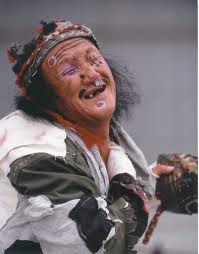
a kak-sor-i performer
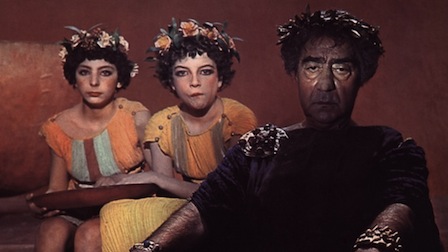
Fellini’s freaky Satyricon

Jackie Stallone – truly freaky
I don’t have a zoom lens. They don’t make them for my cheapo camera so capturing a photograph of a performer can’t be achieved at a distance. Getting too close brings back bad memories and also, I’m culturally confused. A few weekends ago, I happened to see a kak-sor-i at a traditional wrestling festival in Daegu. He was on the edge of the festivities and with his barrow atop of which sat his music system and bags of pumpkin toffee, he was giving a half hearted rendition of some an old fox-trot song (트로트), almost apologetically and as if he shouldn’t have been there.
As far as such performers go, this one was slightly more cross-dresser than some and though it might not be politically correct to say so, if I saw him performing on a London street, I’d probably consider him a freak and steer clear. I see nothing threatening in transsexuals or transvestites because I usually know into which category such individuals fall; a transsexual would do a much better job looking female and a transvestite would parody female characteristics and associations to the max. Neither would wear fishnets with a pair of socks and trainers. Unable to read the character, I’m confused and on British streets this would attract the label of ‘possible freak’ and cause me to avoid them. Kak-sor-i don’t seem to bother hiding their sex and this one is clearly male but his hair is all wrong, his sequined shorts, or is it a skirt? too ambiguous, and what’s with the blobs of intense rouge on his cheeks? The rouge is the freakiest part of his appearance because no self respecting trans-person would ever mock their face in such a clown-like manner. Further, his movement is male and there is nothing camp about him in mannerism and rather than performing songs by Barbara Striesand or Kylie Minogue, he is warbling to some typical Korean trot.
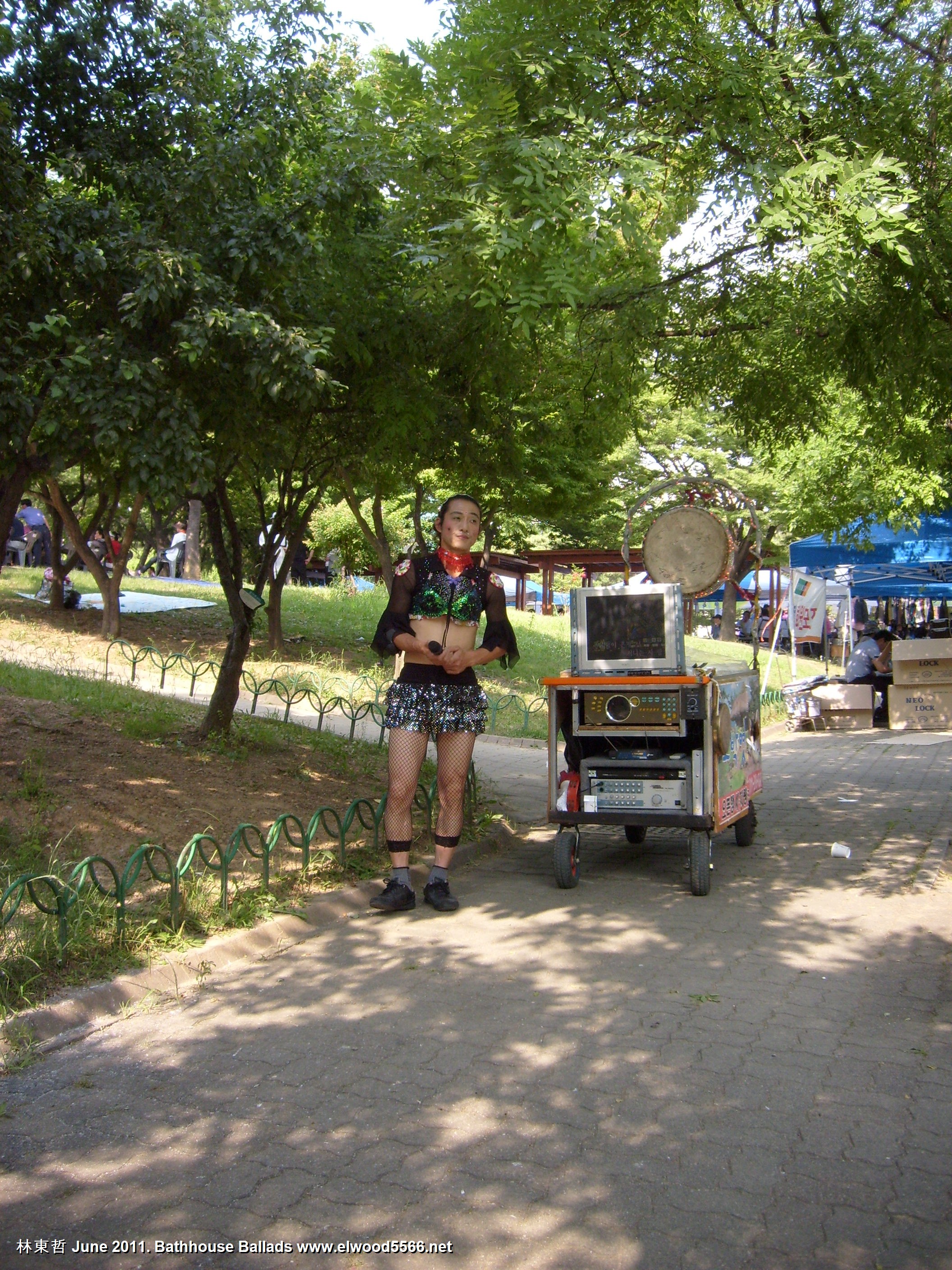
not yet spotted…
I sit down at a distance and casually take out my camera. I’m thinking I can perhaps get a few shots while his back is turned but I really want a full frontal. Eventually, I catch his eye and before he has consented I click a few off. He’d previously been singing with intermittent announcements advertising his pumpkin toffee, at 2000 Won a bag. Suddenly, he starts talking about me, I can pick out the words ‘waygukin,’ meaning ‘foreigner’ and my cheeks start turning red. Not sure how Koreans read this character, I’m concerned if they see it as anyway perverse, or what Koreans term ‘pyontae’ (변태 – abnormal), they will likewise think I am for wanting to photograph him. Once I’ve got my photos I am polite and go up and buy some toffee and all the time I know he is talking about me. He tries telling me it’s 20.000 Won a bag but I know it isn’t and hand him 2000. Then I leave as quickly as possible.
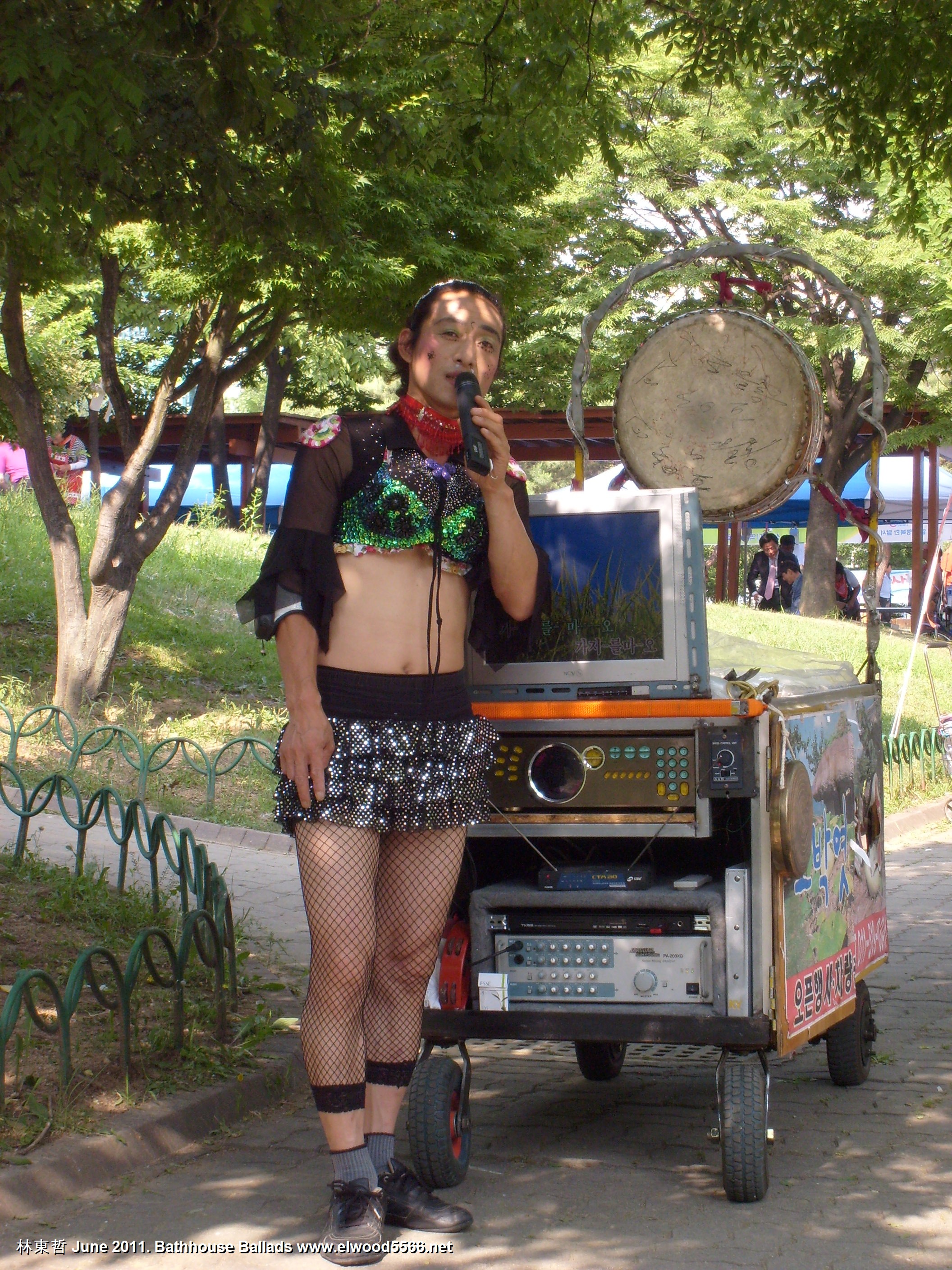
See! He’s talking about me…
I now sense from discussions about performers, that they are not perceived as ‘strange’ (변태) and their costumes and make-up cast no dispersions on their sexuality, gender or mental state. Indeed, Koreans probably view even the most extreme kak-sor-i as more normal than they would some western celebrities whose’ freakishness’ goes beyond the cosmetic and transitory to pervade their entire persona. I am told kak-sor-i are no more the character they are wearing, than the actors in a drama or movie. However, my fear still lingers because without the ability to communicate effectively, I’m at their mercy. And once bitten, twice shy!
© 林東哲 2011 Creative Commons Licence.
Korean Teas: Solomon's Seal Tea – 둘굴레 차
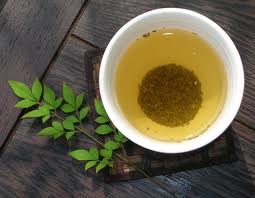
I prefer it cold when it is wonderfully refreshing
Specifics: Solomon’s Seal (둥굴레 차). Made from a root but available in tea bags.
Okay, you can easily buy this in boxes of 50 or so tea bags at most decent stores. However, if you’ve wandered around Korean markets you may actually have seen this tea’s main ingredients, in the form of dried roots looking a little like brown turmeric.
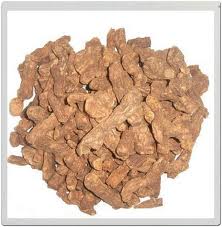
the roots, according to one company, are 'pan fried' to dry them
Solomon’s Seal is a tea made from the roots of plants bearing the same name. The plant is one of an extensive group, similar to lilies, and known by its botanical name, Polygonatum. The species in Korea, is specifically Polygonatum Sibiricum. The Korean species is particularly noted for its medicinal properties due to its demulcent properties, that is its ability to soothe and protect swollen ligaments and tissue. However, it has numerous other applications and widespread medicinal uses. Naturally, it can also be enjoyed simply as a beverage.
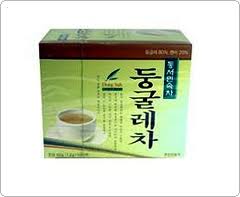
Solomon's Seal tea bags
Like most of the Korean teas I drink, I usually drink it cold and it is probably one of my more favourite teas with a distinct flavour which lacks any bitterness and is quite smooth. It has a slightly sweet smell which is reminiscent of caramel.
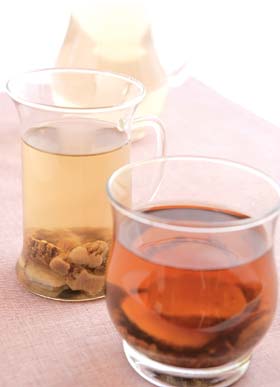
'caramel' aroma
© 林東哲 2011 Creative Commons Licence.
Kimchi Potato Croquettes – My Recipes

delicious!
A local Japanese restaurant I use makes the most excellent potato croquettes and as cabbage and potato work well together, I tried combining them. The results were excellent and I ate far more than I should have done.
INGREDIENTS
•Potato (approx 5 medium sized)
•kimchi (finely chopped) 1 cup
•1 onion (diced finely)
•minari (미나리-though parsley would make an ideal substitute) Chopped.
•1 tablespoon of sugar
•1 tablespoon of soy sauce
•1 egg (beaten in a bowl)
•plain flour (in a bowl)
•breadcrumbs (in a bowl)
•oil for deep frying
Optional Fillings
•Mozzarella, Brie, ham etc, even that pseudo Korean stretchy cheese

the assembled ‘balls’
METHOD
1. Boil the potatoes until cooked and then mash them over a low heat to remove moisture.
2. To the potato add the kimchi, onion, minari, sugar and soy sauce and mix together.
3. Arrange, in order, the mixture, and bowls of flour, egg and breadcrumbs
4. Taking the mixture, fashion it into a ball a little larger than a golf ball. At this stage you can insert a cube of cheese into its center. Place each ‘ball’ on a plate until you have as many as you need.
6. Take each ball and and coat first with flour, then the egg and finally the breadcrumbs. Place on a plate and complete the process with all ‘balls.’
7. Heat the oil until it is suitable for deep frying.
8. Carefully place the ‘balls’ into the oil and fry until golden brown when you can remove them onto greaseproof paper and continue with the next batch.
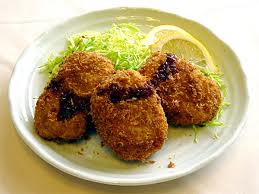
with a drizzle of sauce and salad
OBSERVATIONS
Mashing the potato over a low heat is crucial as removing any excess liquid stops the potato ‘balls’ falling apart.
VARIATIONS
I have also added 1 tablespoon of mushroom wine at stage 2
SERVING
Kimchi potato croquettes make an excellent snack or side dish but can easily constitute a lunch. I’ve eaten them cold and they are delicious but you can’t beat them straight from the fryer, hot and crispy. A suitable sauce, used in Japan and Korea is “Bulldog’ which is a brown sauce made with Worcester sauce. A drizzle of Terriyaki, Worcester Sauce or other brown-type sauces would be ideal but this is a matter of taste.


 Elwood 5566
leave a comment