On ‘Filial Piety’
Following up on my recent post (Fulfilling a Promise to my Mother, March 22nd, 2012),
March 22nd, 2012), which focused on ‘filial piety,’ I recently stumbled upon two divergent posts on the subject. One is an excellent and touching explanation of filial duty while the other concerns the filial piety of Korean celebrities. I do not doubt that many western celebrities provide cars and houses for their parents; I believe Justin Bieber recently bought his mum a house, but what is interesting in the second account is the sense that filial loyalty is a gauge of one’s character and devotion. Maybe it’s the translation, and the article is brief, but they almost seem to be bitching about who is the best son.
Both posts are re-blogged in their entirety.
Traditional Chinese filial piety culture (中国の親孝行文化/中国孝道文化)
According to Chinese tradition, filial piety is the primary duty of all Chinese. Being a filial son means show respect to one’s parents during their lifetime and–as they grew older–taking the best possible care of them.

A story can best illustrate the concept of filial piety. During the Chin Dynasty (4th-5th Century CE), a boy named Wu Meng was already serving his parents in exemplary filial piety although he was just eight years old. The family was so poor that they could not even afford a gauze net against the mosquitoes. Therefore every night in the summer swarms of mosquitoes would come and bite them. Wu Meng let them all feast on his naked stomach. Even though there were so many, he did not drive them away. He feared that the mosquitoes, having left him, would instead bite his parents. His heart was truly filled with love for his parents.
Filial piety is a good virtual of Chinese people, and people from other countries should also learn from it. Parents gave us birth and nurtured us, therefore we have the obligation to respect them and to take care of them when they can no longer take care of themselves. Western countries have complete social welfare systems to support people financially after they retire, but older people often face loneliness; they long for somebody to talk to them, especially their children and grand-children. We should try our best to spend more time with them, talk to them, and take them to family gatherings and trips to the nature.
Filial piety can benefit our society. It can make our family tie stronger, and children can learn a lot from our attitude to our parents and from their grandparents. They can realize how important a family is to a person, and develop a strong sense of responsibility to their families and friends. For example, when it is necessary to stand out to defend our families and even the nation for danger, we will not hesitate to do so, because we know how important our families and our country are to us.
In short, the most important custom from my country that I would like people from other countries to adopt is to be good to their parents. It is not only ensure that our parents can be taken good care of when they are getting old, but also help our children to develop good virtues and spirits.
(Published 0n 19th Oct 2011)
Re-blog 2 from: 2Elf4Suju
Kyu-hyun showing his filial piety : bought the apartment for his parents, new car for her Mom & guaranteed for his Dad’s Korean academy in Taiwan

Kyuhyun said he guaranteed his father’s business.
On 7 March’s broadcast of MBC’s ‘Golden Fishery- Radio Star’, MC Kyuhyun shared the filial piety that he showed to his parents, and boasted to guests 2AM that he guaranteed his father’s business, attracting much interest.
When the MCs asked “What have you done for your parents?” as 2AM were answering about buying cars, houses and other presents, Kyuhyun added that he didn’t lose in the area of filial piety. He mentioned that he bought “A 40th storey apartment in Wolgokdong” as a present for his parents.
He added, “The car that I’m driving now used to belong to my mum, so I got her a new car as a present. I also guaranteed the Academy that my father opened in Taiwan.” which got the attention of everyone.
(Cho Kyu-hyun is a member of the K-pop boy band Super Junior, and sub groups Super Junior-M and Super Junior-K.R.Y.)
권수빈 for Newsen
http://www.newsen.com/news_view.php?uid=201203080003381001
Chinese translation by hyunlove
Translated to english by @kikiikyu
(Published 8th March, 2012. http://2elf4suju.wordpress.com/
Related articles
Anniversary of the Murder of the ‘Frog Boys’
a sad and gruesome mystery
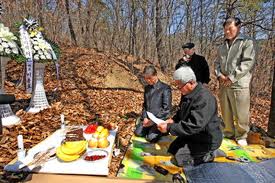
Monday 26th, today, marked the anniversary of the infamous ‘Frog Boys’ who left their homes on the morning of March 26th, 1991 and didn’t return. Indeed, it wasn’t until eleven years later that their bodies were discovered, 2km from home, in a gully on Warayong Mountain, Song-so, Daegu.
For more information on this tragic event, the circumstances of which are still a mystery, see, Five Boys Meet Death Where the Dragon Dwells (Bathhouse Ballads, May 2011).
Bathhouse Ballads chronicles many aspects of my life in South Korea. Kimchi Gone Fusion focuses on ‘the way of the pickled cabbage’ while Mister Makgeolli is dedicated to Korean rice wine.

©Bathhouse Ballads – 努江虎 – 노강호 2011 Creative Commons Licence.
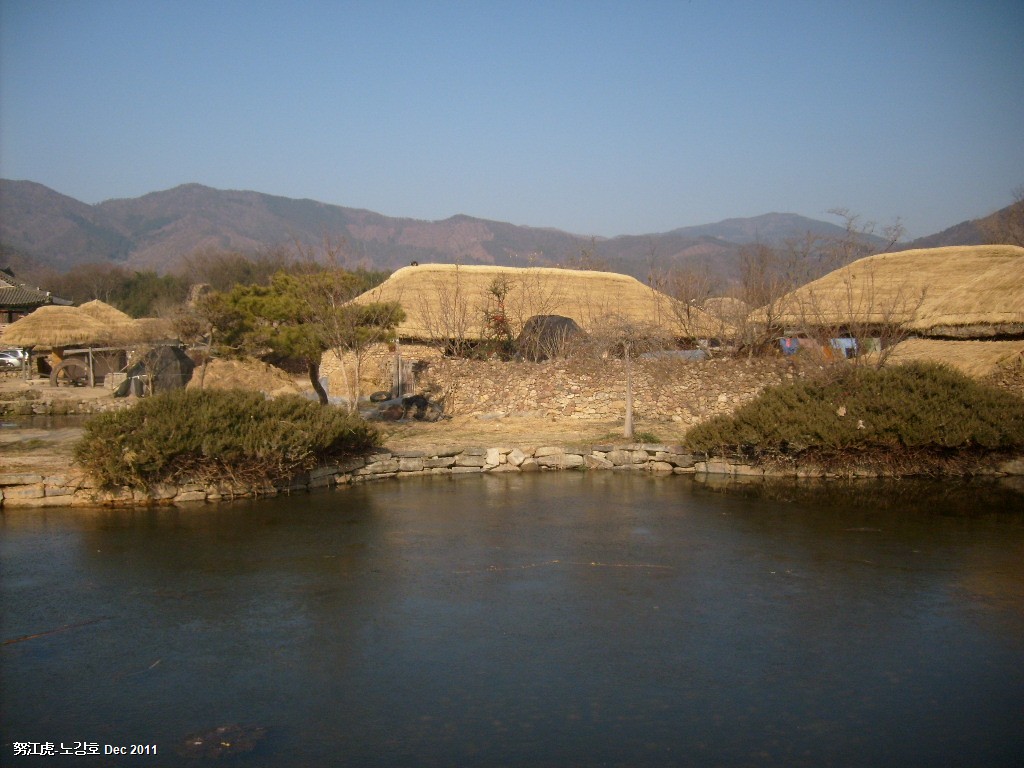
Naganeupseong Traditional Folk Village – Suncheon
I visited the Naganeupseong Traditional Folk Village, Suncheon, Jeollanam-do, in January. Here are a few of my photographs. Jeollanam-do is one of the southernmost provinces (Provinces of South Korea).
The village is enclosed within a ‘castle,’ though it probably closer to say a ‘fort’ as there really only remains a fortified wall. The village has around a hundred residents and numerous small guest houses.The village had a fantastic collection of totem poles (장승) which were the subject of an earlier post (Fascinating Physogs).
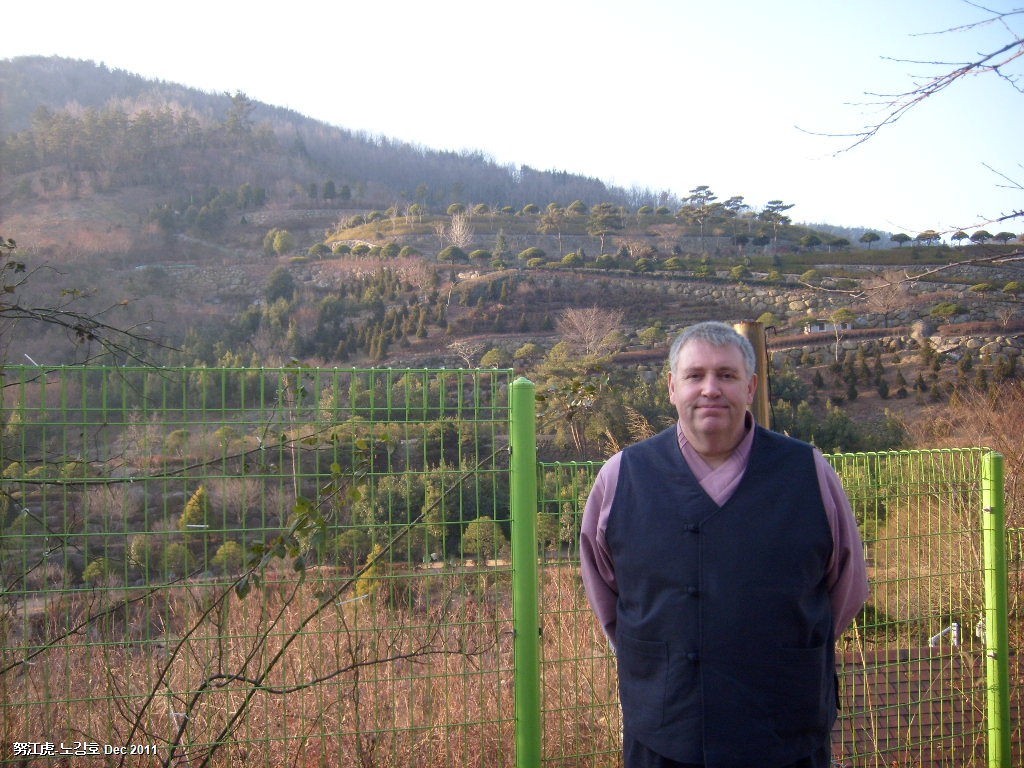
an interesting valley on the way to Nagan village
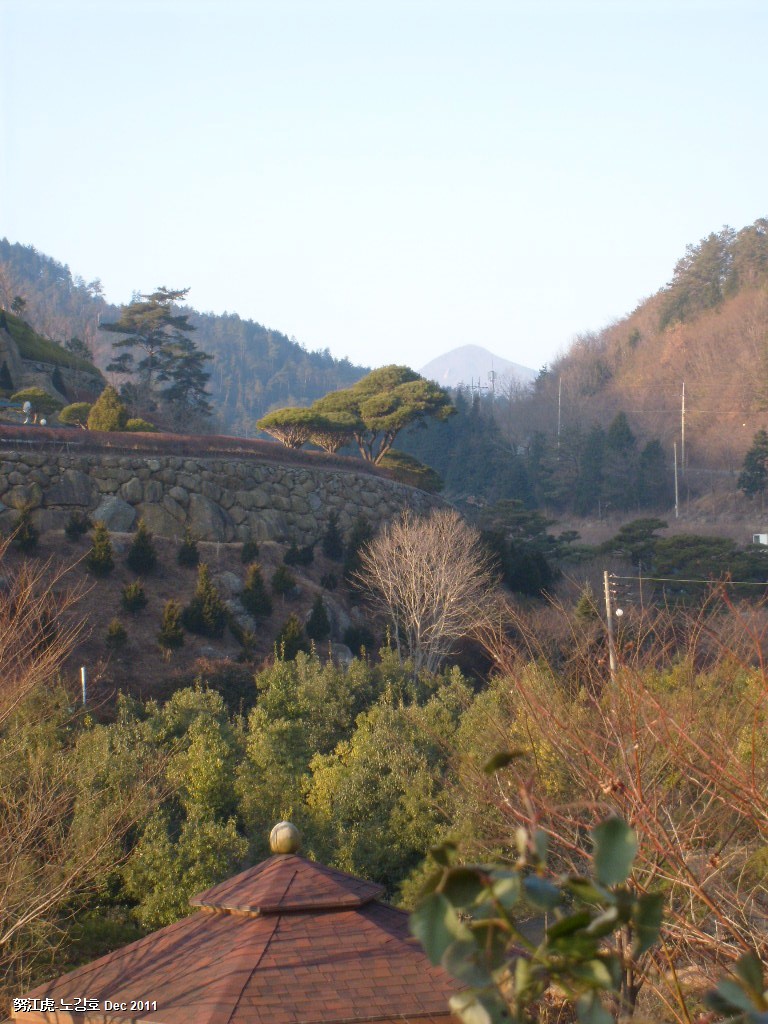
quite an spectacular valley
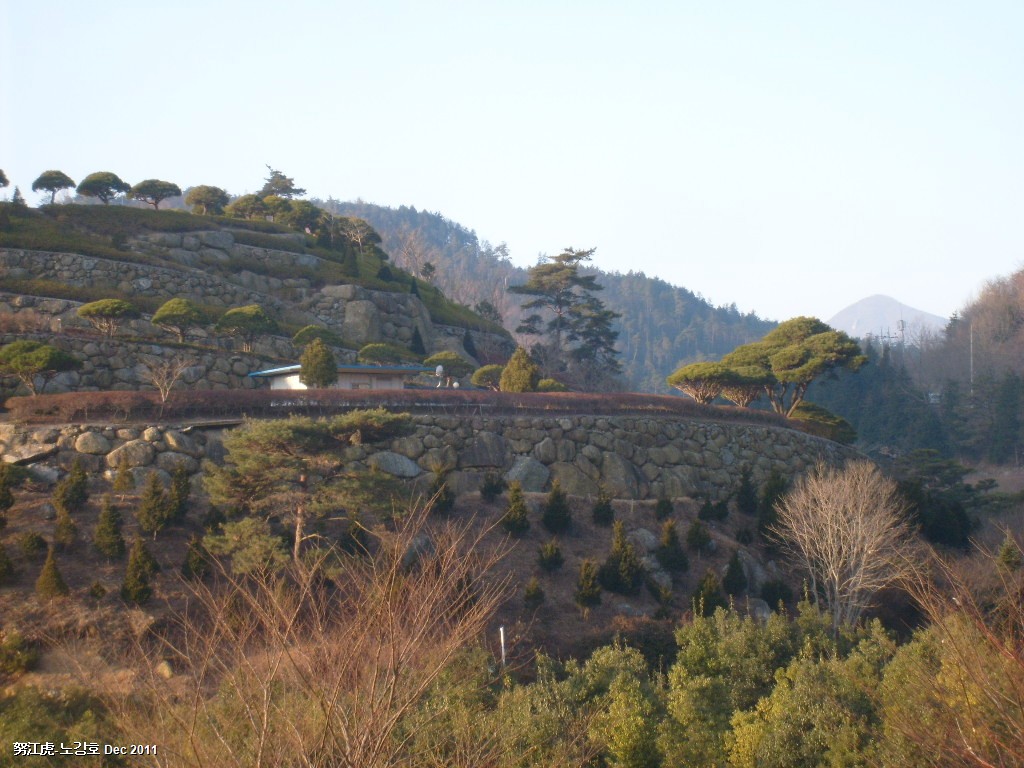
landscaped scenery
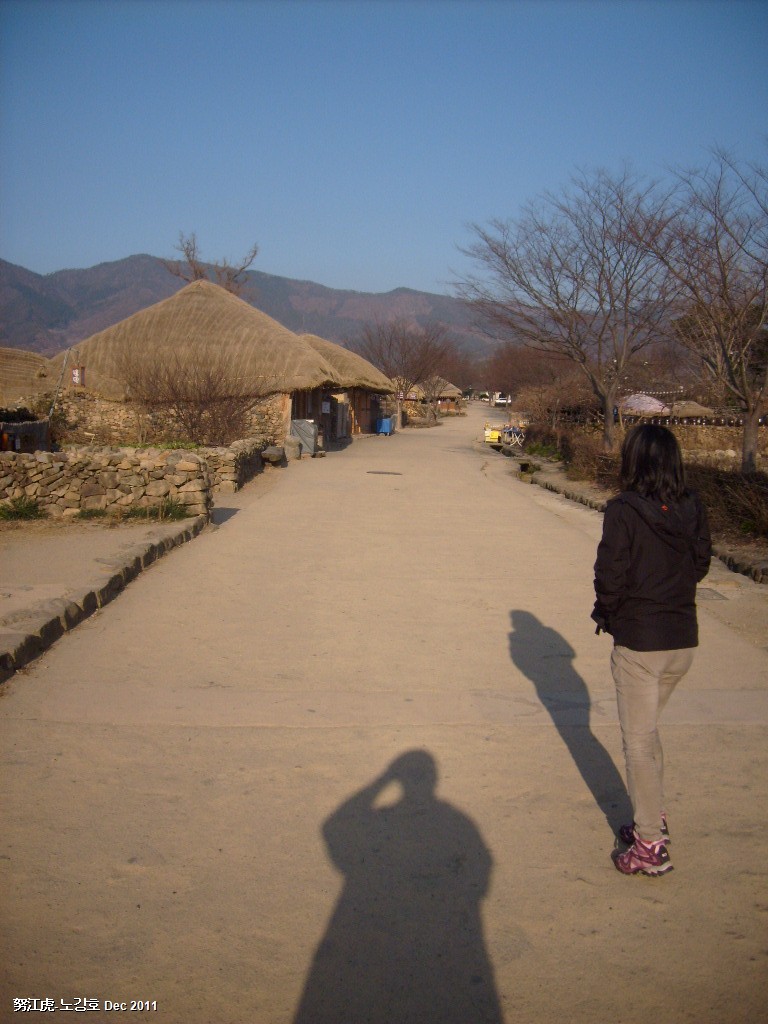
Entrance

one of the models outside the Magistrate's Office building
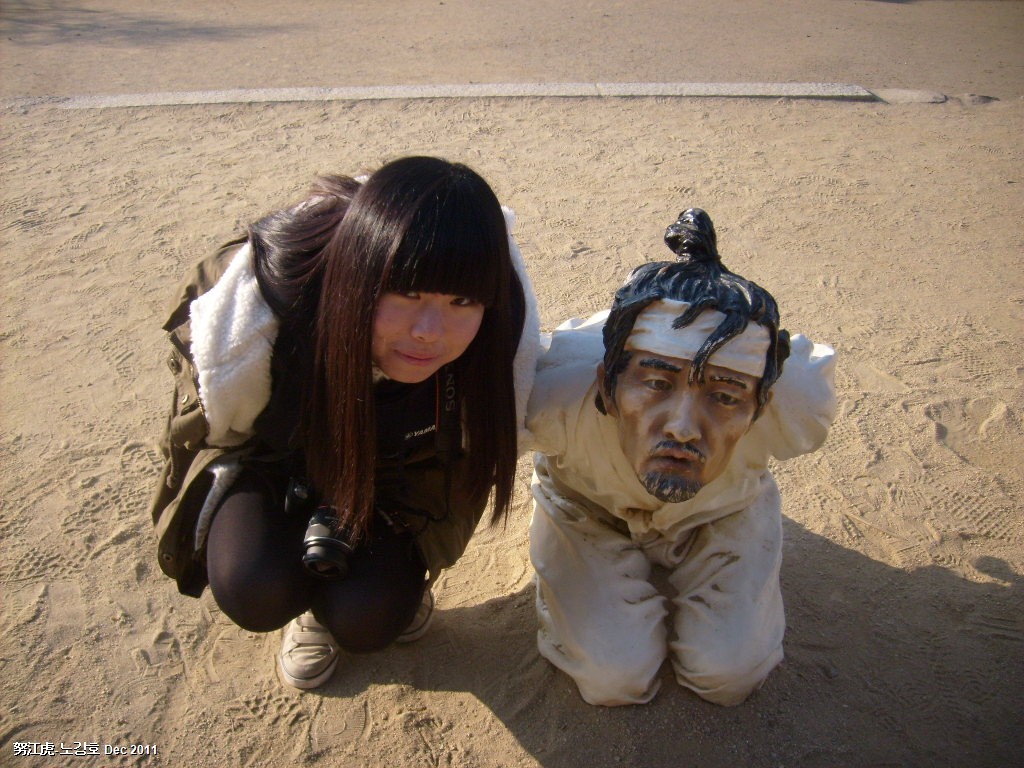
another model
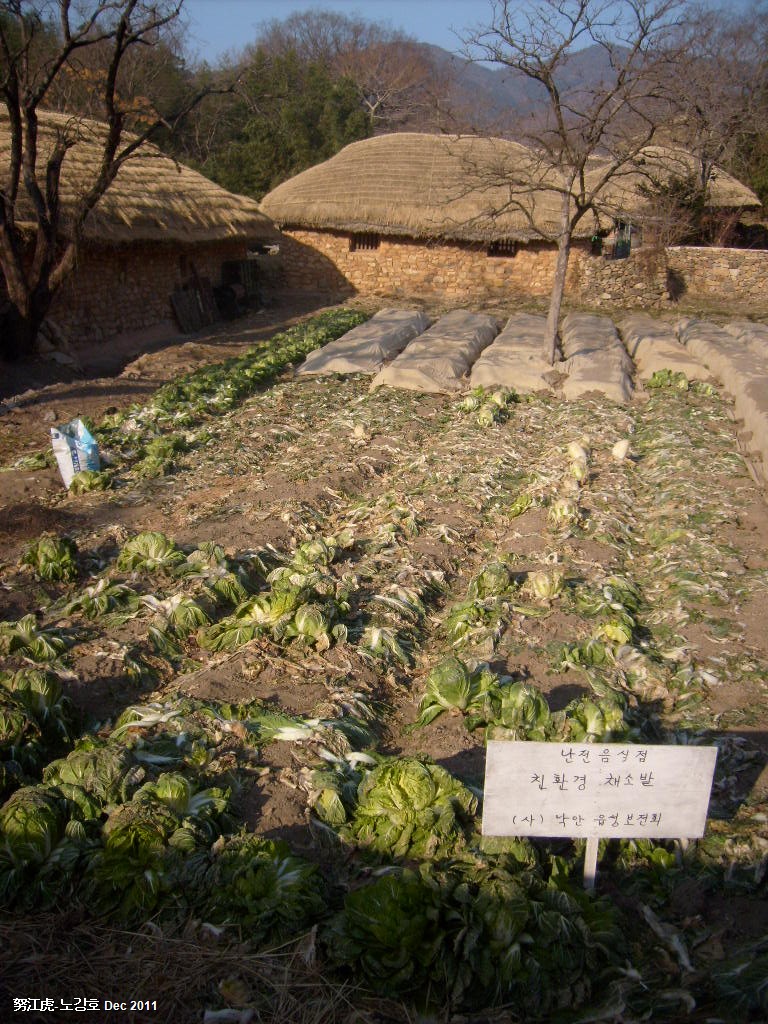
cabbage field
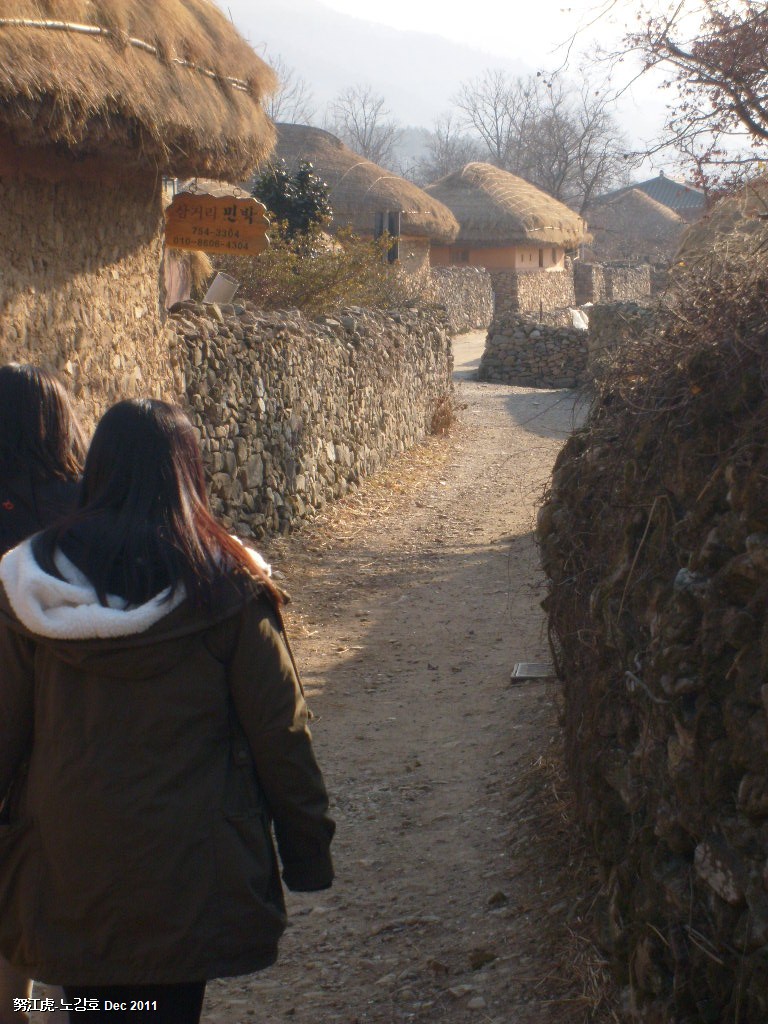
an alley within the village
the village pond
Bathhouse Ballads chronicles many aspects of my life in South Korea. Kimchi Gone Fusion focuses on ‘the way of the pickled cabbage’ while Mister Makgeolli is dedicated to Korean rice wine.
©Bathhouse Ballads – 努江虎 – 노강호 2011 Creative Commons Licence.
Further references
Fascinating Physogs – A Tour of some Korean Totem Poles (Bathhouse Ballads Jan 2012)
Fulfilling a Promise to my Mother – The Lessons of ‘Filial Loyalty’ (孝 – 효도)
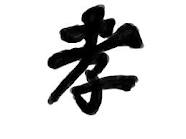
filial loyalty 효도 – 효
Because the characters for ‘filial loyalty’ comprise of only a few strokes, well, seven, it is among the first hundred or so you learn when studying hanja. However, your introduction to it is probably via the two, simpler, three stroke characters for ‘son’ /’child’ (子), or girl’/’woman’/’daughter (女). When combined, the two characters, comprising either ‘filial son’ (孝子) or ‘filial daughter’ (孝女), appear fairly early in the hanja learning process partly because they are simple characters, and also because ‘filial loyalty (piety, duty) are central Confucian values. It will be seen that in the character for ‘filial loyalty’ (孝 – 효도-효), the character for ‘child’ appears in the bottom right and in this case is the ‘radical’ by which characters are grouped in dictionaries. The character can be interpreted as the child carrying their father or mother on their back.
Hanja is the name for the Chinese characters still used in South Korea and they are regularly seen in everything from newspapers to restaurant menus. They are especially popular in inscriptions and the use of hanja plays a role not too dissimilar from that of Latin, in the West. ‘Do your best,’ ‘to kill two birds with one stone,’ ‘like father’ like son,’ and ‘distinct as black and white,’ are just a few examples of the many available. In particular, 4 character hanja, such as ‘one stone, two birds,’ often deriving from an ancient book, known as the ‘One Thousand Characters’ (천자문), are particularly common. Around 1800 characters appear in the school curriculum, 900 in middle school and 900 in high school. However, not all Koreans, even well-educated ones, have a good knowledge of them.
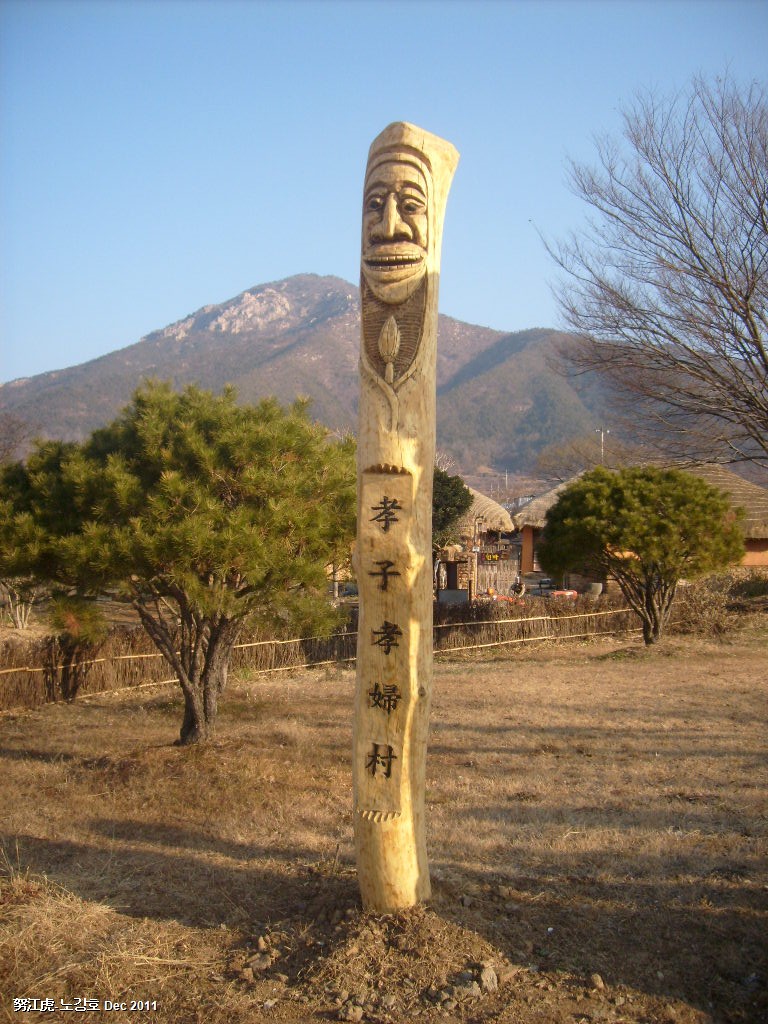
‘village of the filial loyal children and wives’
In a high school in which I taught for a year, I became well acquainted with the characters for ‘filial sons’ because it was engraved on a huge boulder just inside the school entrance. And, on my walk into town, it appeared on a set of murals painted on a wall. The character is also memorable because of its confusion with that for ‘old, venerable’ (老 – 늙은 -노).
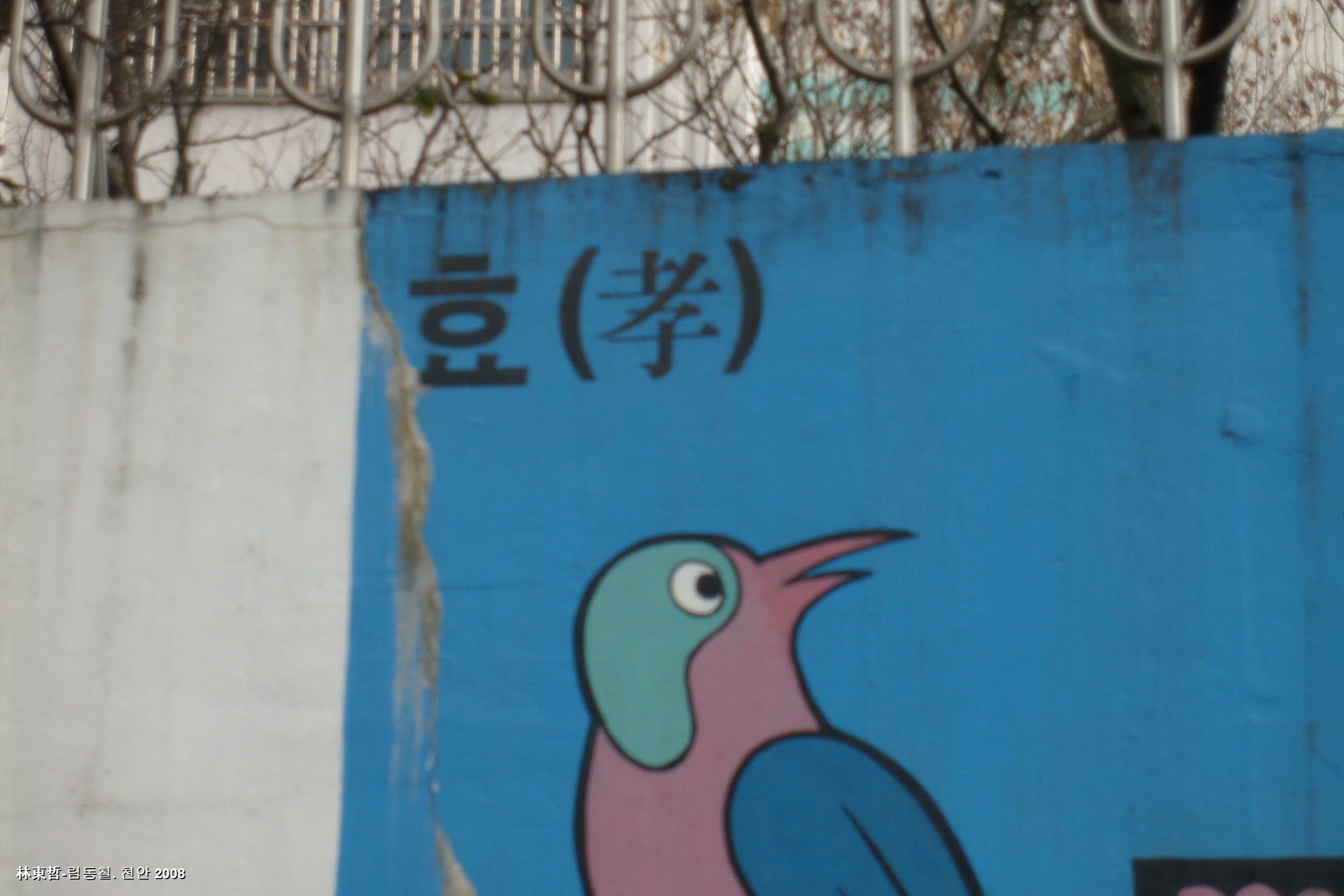
‘filial loyalty – duty – piety’
Despite its frequent appearance, I really only had a vague understanding of the concept. Okay, I understand the idea of duty to your parents, in a loose, western way, being respectful, thoughtful, etc, but let’s face it, in the West we’ve become fairly adept at ignoring the needs of our parents, especially as they get older. ‘Caring’ for your parents, and respect towards older people, and this does not necessarily mean only those of advanced years, has a far greater significance in Korea and the Confucian informed East in general. The Confucian notion of ‘filial loyalty,’ among other things, includes taking care of one’s parents, bringing a good name to them, supporting them, not being rebellious, showing love and respect, courtesy, upholding fraternity between brothers etc, and performing sacrifices after their death. Though traditions are gradually changing, Koreans often live in extended families. I have one friend who lives in a large five-room apartment with his wife, three children, sister, sister’s husband and two children, and his mother and father. Recently, they moved house and prior to this were able to decide whether they wanted to continue living together; they chose to continue cohabitation. Another friend, who is in his late thirties, lives with his invalided father who to say the least is cantankerous and unfriendly. He continually berates his son for not being married despite the fact that he is probably the cause of this.
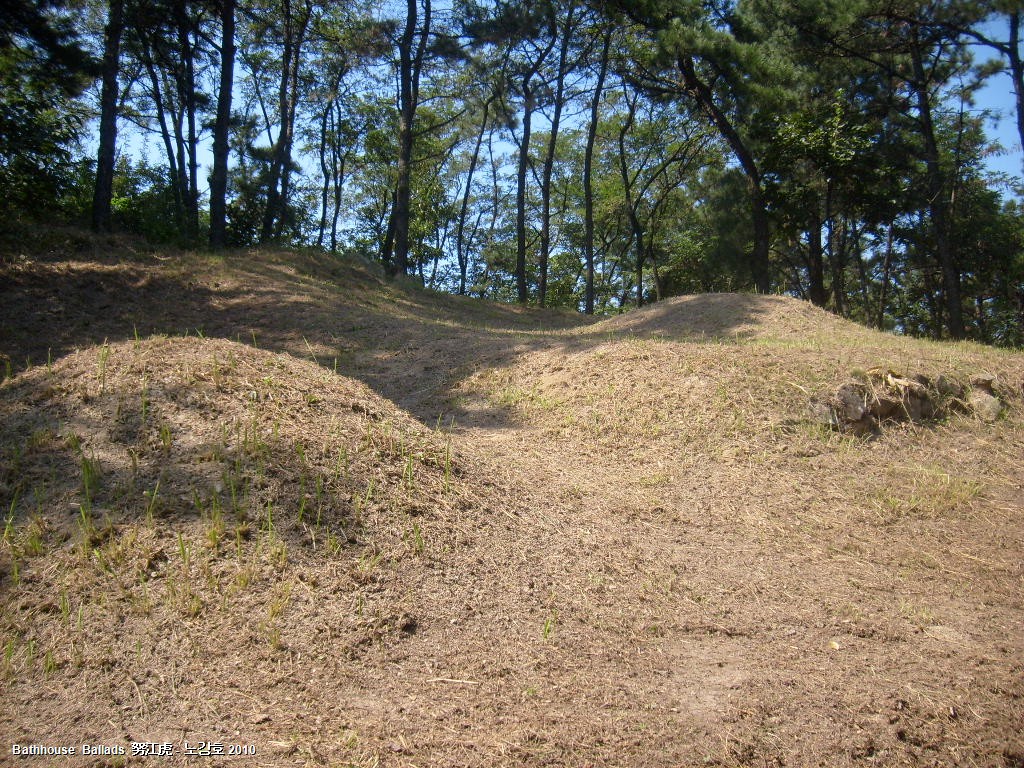
ancestral graves on the mountainside
Additionally, Korean ‘filial loyalty’ goes beyond the grave and honoring one’s ancestors, back to at least five generations, is an integral part of the Korean yearly cycle. Recently, my sister traced our family tree back 5 generations and I visited a number of cemeteries in rural Britain. Standing on the edge of my great-great-great grandfather’s grave didn’t really move me and I’d felt more emotion next to the graves of those I felt I knew better, such as Schumann, Tchaikovsky, Bruce Lee and Benjamin Britten, and with whom there was no genetic bond. It was as a dreary, drizzly, winter afternoon that somehow suited the visit; all the graves, even those of not much more than fifty years old, were flaking, unkempt and covered in lichen. I seemed more aware of the gulf of time that separated us than any awe that we were related. In the absence of any rituals of remembrance our ancestors and our family histories are forgotten once out of living memory and then have to be rescued and resuscitated by genealogical research. And it isn’t just distance that breaks the bonds between us; one of my relatives lives only a few miles from his great, great grandmother’s grave and not only does he not no where it is located in the cemetery, but has no interest in knowing so.

the cemetery where my great, great, great-grandfather is buried
We British mark the graves of our loved ones with a stone plinth the engraving of which will just about remain legible and decent during living memory and during that period the grave may be tended and flowers or tokens dedicated to it. Then, when there is no living person to remember the grave’s owner, the weeds spring up and the lichen takes its hold. One rarely sees a name on a Korean grave yet on the mountain sides, on gentle slopes facing the east (to conform to the principles of Feng Shui, 風水地理 – 풍수지리), you will find countless ancestral graves but far from being abandoned, they are usually tended and cared for. The ancestors of most British people seem so deader than in Korea where ‘filial loyalty’ prescribes ‘remembrance’ of their having been and in doing so connects both individuals and families with history, location and community.
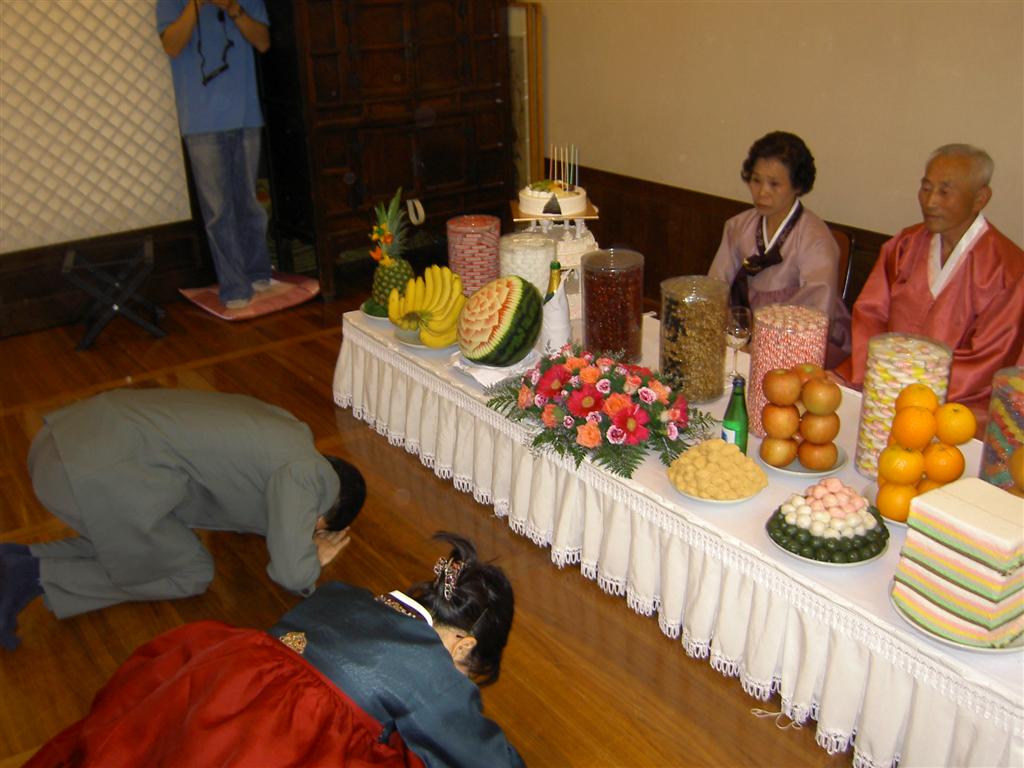
an example of ‘filial loyalty’
Recently, one of my friends explained to me how his father, suffering from terminal liver cancer, wanted to die. I was apologetic but he laughed and told me he wasn’t distraught or sad, indeed he was somewhat happy for his father. I didn’t quite understand and asked for clarification; how can you be a ‘little happy’ your dad is about to die? And so, he explained how he’d been waiting for his father to die for fifteen years, not because he wanted him to die or was angry at his father’s addiction to soju, but because his father was tired of life – especially life without alcohol. Indeed, his father had been ‘welcoming’ his own death for years. Content in the knowledge he’d been a good parent, husband, grandfather, as well as a good son; had brought three children into the world, made sure they’d been educated, guided them in their moral development, supported his family and honoured his ancestors, he had nothing else to live for. But what was also touching was the way my friend put the happiness of his father, before his own. Yes, his father had flaws, some might argue major ones, but he’d done all that was required of him in terms of ‘filial duty’ and if his father was ready to depart and eager for his own demise, then he shouldn’t let his own sadness over shadow his father’s potential happiness. I by no means think this a common way to view the death of a parent in Korea not do a I particularly agree with it but it is interesting because for some, ‘filial loyalty,’ filial duty’ is a clearly a moral yard stick by which to judge earthly performance.
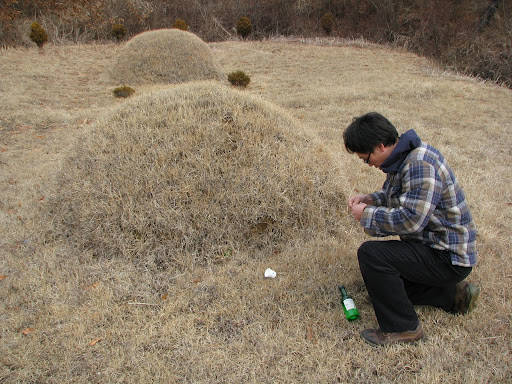
honouring a father on New Year’s Day (lunar)
My mother died over fifteen years ago. Like all our mothers, she was a wonderful person and a fantastic parent and I often said to her that after her death, which at the time never seemed a reality and was always years in the future, my sister and I would open a bottle of wine beside her grave, have a couple of drinks and reminisce as a way of celebrating the life we’d shared together. I even said I’d pour some drink onto her grave – she loved a glass of wine! How Korean! Yet this was before I’d even visited the country and before I knew anything about ‘filial loyalty.’ Somehow, it simply seems not just the logical thing to do but the most natural response to the death of a loved one. However, sitting graveside in a British cemetery, with a bottle of alcohol, could be construed as almost sacrilegious, it’s not the done thing and I’ve generally been dissuaded by convention. So, I’ve promised myself that on my next visit to the UK, I’m going to spend sometime with my mum and dad, not with a heavy heart and flowers that so quickly wilt and add even more poignancy to a grave, but with a bottle of homemade makgeolli and a smile.
©Bathhouse Ballads – 努江虎 – 노강호 2011 Creative Commons Licence.
Further References
One Thousand Characters (천자문 – Bathhouse Ballads, July 2010)
To Kill Two Birds with One Stone – Five Second Hanja (Bathhouse Ballads, June 2011)
What Character is That? (Book review – Bathhouse Ballads, May 2010)
Related articles
- Traditional Chinese filial piety culture (中国の親孝行文化/中国孝道文化) (encocoen.wordpress.com)
My Most Successful Makgeolli Recipe (1) – Mister Makgeolli
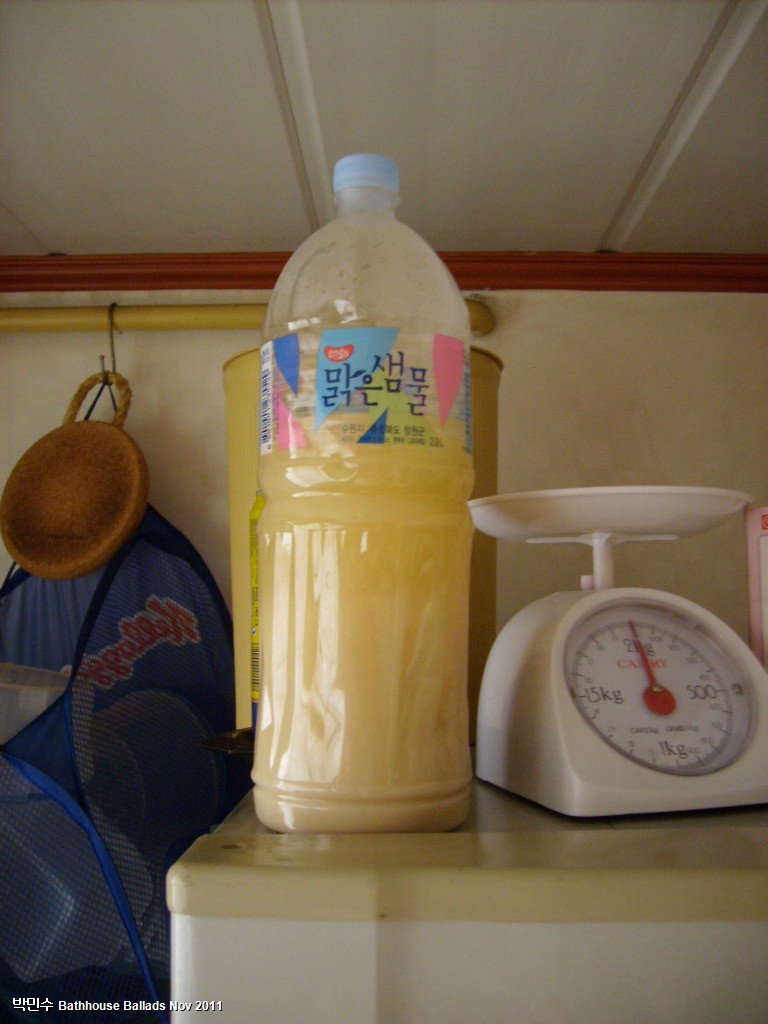
the fruits of my second batch of makgeolli, Nov 2011
This recipe can actually be used to make four different types of rice wine. However, before you get bogged down in the confusing and ambiguous world of rice wine, why not simply try it. The recipe produces was is commonly known as a makgeolli though in essence it isn’t, but that’s another story…
I experimented with this recipe on seven occasions and continue to make improvements to it. The experimentation focused on numerous areas: the ratio of nu-ruk (누룩) and yeast to rice, fermentation temperature and the length of fermentation. Several subsequent minor trials focused on the amount of sugar added in the final process.
The final recipe, based on six cups of rice, (1 cup being 180mls), is now my working recipe and produces a good brew with a slight acidic ‘zing’ reminiscent of grapefruit juice. Environmental conditions always tweak and amend the recipe, especially when fermentation is involved, but these are usually small and are easily compensated.
The best temperature for fermentation is between 20-25 degree centigrade which is about normal room temperature. The level of micro-organic activity at 20-25 degrees means fermentation requires 3-5 days. I trialed 30-32 degrees and while fermentation was quicker, around 3 days, the taste contained more bitterness.
RECIPE INGREDIENTS
(1 cup = 180ml. T = tablespoon 15ml, d = dessert spoon 10ml and t = teaspoon 5ml)
What type of rice to use? Glutinous rice, chapssal (찹쌀) seems more common for dongdong-ju (동동주) while standard Korean rice, the sort served with most meals, maepssal (맵쌀), and it’s superior relative, haepssal (햅쌀), which is basically the new season’s rice, are used for maekgeolli. However, I am still unclear about the difference between makgeolli and dongdong-ju and even among Koreans there seem to be differing theories – and most can’t taste the difference. Korean rices are short grain and contain more starch than long grain varieties and as yet, I don’t know how successful these would be for making makgeolli. Stick to Korean rice or Japanese sushi rice.
6 cups of rice
2 liters of water at point of inoculation plus a liter if you want to dilute. You will also need water for cooking the rice.
1 cup of wheat yeast (nu-ruk – 누룩). I cup amounts to 100g. For information on obtaining nu-ruk.
1t of yeast (효모). I’ve found instant dried yeast works best
1-2 cups of sugar (or honey or corn syrup) and depending on taste, you may want to add more as fermentation continues.
2 cups of cheap alcohol – soju is best, followed by vodka or gin or better still, 56% Chinese, Er Gou Tou Chiew (이과두주). However, don’t fret as this is only for sterilizing but don’t using anything with a strong taste – such as whisky or Creme de Menthe.
Milton’s Solution or some other form of baby utensil sterilizing liquid.
EQUIPMENT
Rice cooker or pan, large glass jar (though plastic is useable), large rubber band, a spatula, a small bowl, a spoon, a cloth for covering mash, a muslin bag, an anti insect net (for summer brewing). This looks like a hair net and basically covers top of the jar.
For decanting – a funnel, about four 2 liter bottles (Coke bottles are the best), a ladle, a large plastic bowl into which you are going to squeeze the mash.
Make sure the cloth you are going to use to cover the jar of mash, and the muslin bag, have not previously been washed in anything noticeably scented – it is likely to taint the mash or makgeolli.
PREPARING THE RICE
Okay, Koreans love to wash rice in threes, except it is recommended to wash rice for makgeolli 30 times. To be honest, I no longer do this and have found that if you wash the rice while it is in a muslin bag, and you put the base of the bag in a bowl, you can then put your hand in the bag, water running, and aggravate the rice until the water in the bowl is running clear. This probably takes two minutes.
Proceed to cook the rice as you would normally, allowing it to stand in the cooking water, for 30 minutes prior to turning on the cooker. I also allow it to stand for an hour or two after cooking as this allows the rice to fully absorb water so your mash doesn’t become too stogy.
When cooked, allow the rice to cool to temperature where it won’t scold your hand. Now, if you are cooking the rice the European way, in a pot on the cooker, you will need to drain off any excess water before letting it cool.
STERILIZING EQUIPMENT
Thoroughly wash all utensils such as spatula, bowl, spoon in side the jar in Milton’s Solution or other baby utensil sterilizer. Make sure you clean around the rim of the jar. Put the rubber band on your wrist throughout to sterilise it as well. Thoroughly rinse off the solution, drain out water, add the clean cloth which you are going to cover the top of the jar with and then pour in around a cup of alcohol. Save a little to wash your hands in later. Swish everything with the alcohol and then pour off.
PREPARING THE AMAZING MICRO-ORGANIC INOCULATE
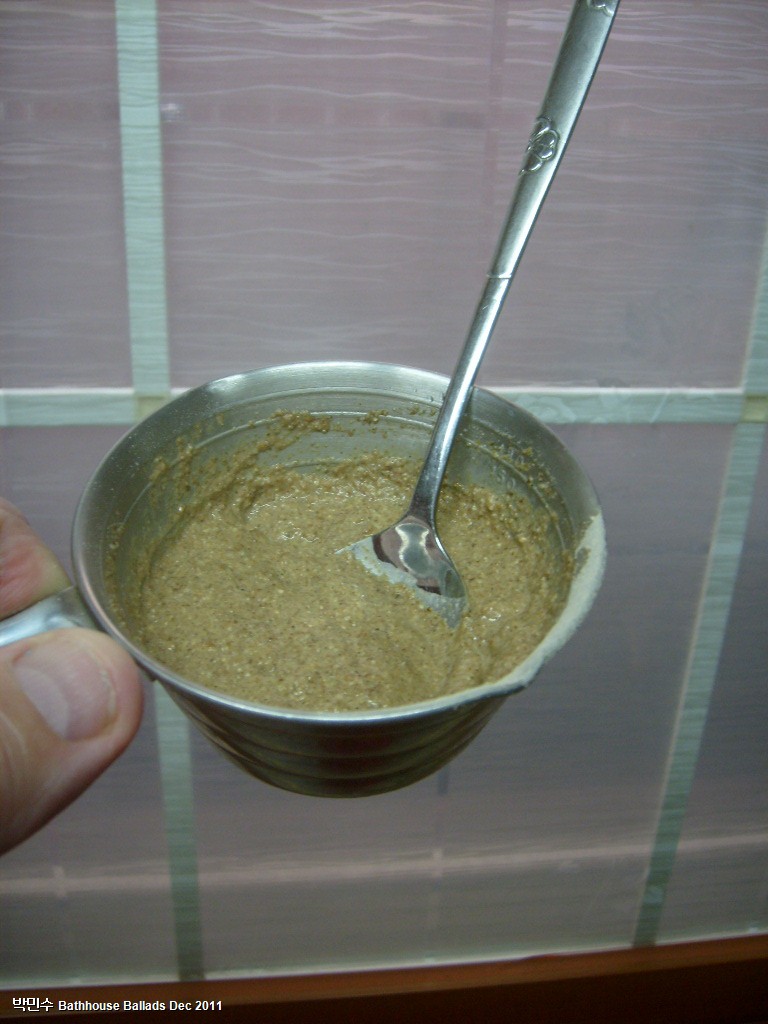
the inoculate
‘Amazing’ because the seemingly boring yeasts are going to create an organic frenzy that will transform rice and water into a refreshing alcohol.
If your nu-ruk is in a block, you will need to break shards off and using a blender, turn out a cupful. Alternatively, you can soak it in luke warm water for an hour before either mashing it or putting it in a blender. Do not soak it in hot water as the enzymes will be killed. Put the nu-ruk in a small, sterilized bowl, add the yeast add a little water and thoroughly mix it into a paste.
Now put the cloth in a pot and boil it vigorously for five minutes.Take the cloth off the boil and hang it somewhere to drain off and cool.
Now fill you jar with 2 liters of water and add the rice to this. I use this method as it is better if you are using plastic and it minimizes the chances of the glass breaking. Re-sterilize your hands with some alcohol, then, being careful of pockets of heat in the rice, begin to break up any ‘clots.’ When the temperature of the mix has equalized, it should be luke warm to warm, get someone to pour the inoculate into the mix. You could do this with your free hand but there will be residue in the bowl that needs scrapping out and having someone do it for you saves you having to re-sterilize.
Some of my Korean friends recommend adding a cup of alcohol at this stage – they use Korean soju, but vodka will suffice. I believe this inhibits the growth of any unwanted micro-organic populations.
Now mix the solution until the inoculate is thoroughly and evenly dispersed.
Wash your hands and then, using a tissue soaked in alcohol, clean any residue from the rim off the jar. Then place the boiled cloth over the top and secure with an elastic band.
Your mash is now ready to place in a little hidey-hole, preferably out of direct sunlight and away from draughts, where you can occasionally peak at it to enjoy the micro-organic activity.
AFTERCARE
Stir the mash with a sterilized ladle once in the morning and again in the evening. You will know if the mash has initialised as you will both see rice particles floating up and down in the jar and see and hear the exchange of gases. A rice cap will form on the top of the mash and over peak fermentation these will gradually start falling to the bottom of the jar until on a handful of grains remain floating on the surface.
DECANTING
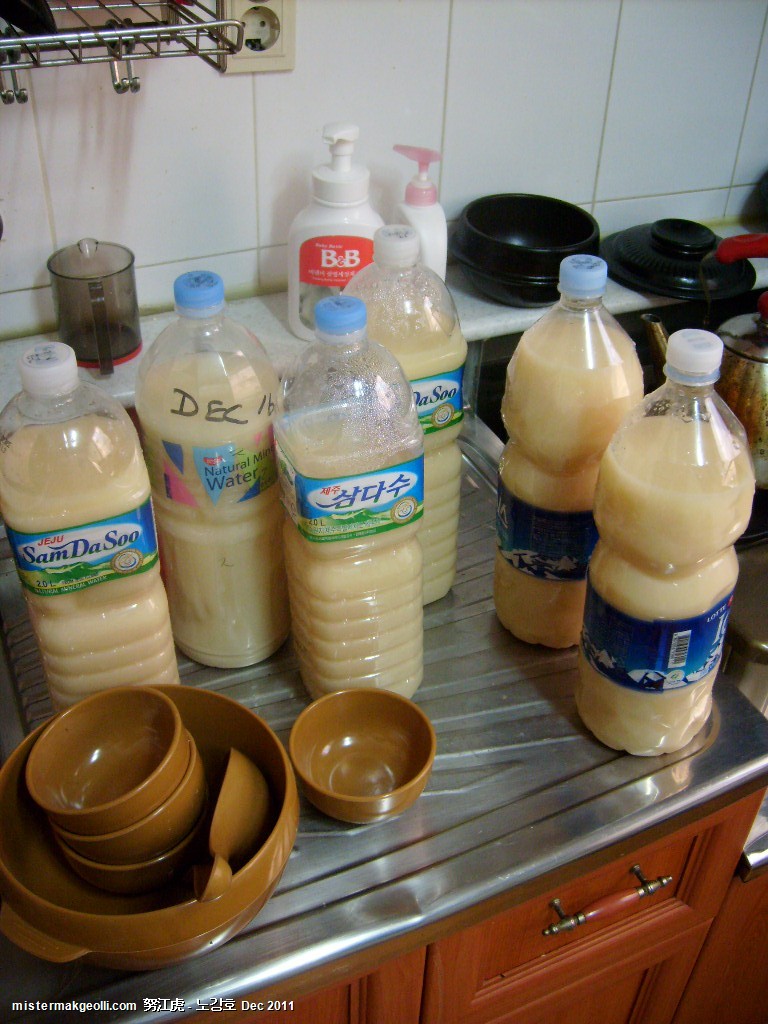
bottled-up
How many days should you wait? When you decant the mash will depend on the room temperature during the fermentation period. Once the peak of fermentation has been passed it needs decanting. If there is still considerable activity in the mash, wait a little longer, when activity has calmed you should begin the next process. A little experience will guide you in this matter. As a rough guide, at 20-25 degrees centigrade this will be between 3-5th day. At 25-30 degrees 2-3 days.
Equipment etc – a large bowl, a muslin bag, anti insect cover if needed, a funnel, sugar (or honey, corn syrup) and optional water (l liter)
Once passed peak fermentation you can pour the mash into a sterilised muslin bag and then proceed to squeeze liquid out of the rice into a clean bowl.The mushy rice, once squeezed out, can be discarded. The lovely white liquid in your bowl is makgeolli, (to be more precise, it’s a blend of makgeolli and dongdong-ju).
How much sugar (honey, corn syrup) you add, and whether you want to add any additional water, depends on your taste. However, 2 cups of sugar, while initially seeming sweet, will decline in a few days time and you might want to add more. Makgeolli varies between 5-10% ABV with dongdong-ju being closer to 16% ABV. I estimate this recipe to be at the stronger end of the scale and you could probably add another liter of water to take it down to about 7% ABV. Commercial makgeolli is around 6% ABV. Once again, this is a matter of personal preference but you can add water at anytime should you wish a weaker drink.
When differentiating between makgeolli and dongdong-ju, bear in mind the two are often interchangeable and most Koreans don’t know the difference between the two.
BOTTLING
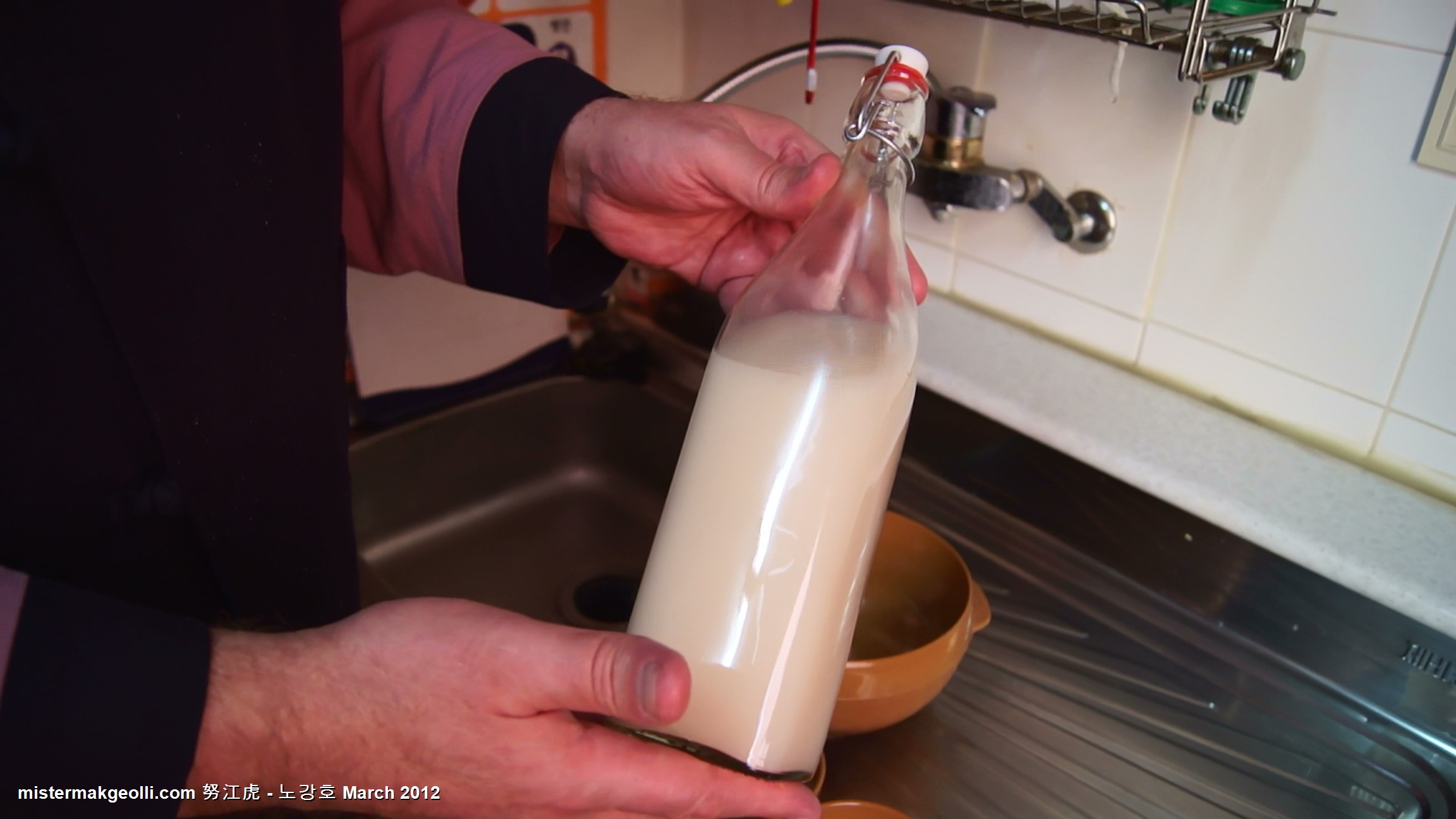
ready to enjoy
Put the filtered makgeolli into plastic bottles. The gas build up can be substantial so have a collection of coke bottle tops, some pierced with a small hole, some not. Ten years ago all makgeolli in Korea had such holes in bottles tops as fermentation will continue for quite a long time. Initially, use the pierced tops and after a day or two, start to use the un-pierced ones however, be vigilant if you add more sugar as this will cause a temporary re-ignition. Keep in a cool place just to make sure no spillage is going to occur, before refrigerating.
The makgeolli is actually ready to drink but leaving it a few days at room temperature will allow some further fermentation and maturation and allow for the best qualities of makgeolli t o develop. After a few days you may want to add extra sugar or even dilute with more water – it depends on your individual preferences. I’m also told that waiting a couple of days until well past peak fermentation reduces the chances of a hangover should you drink too much. After two days rest put the bottles in the fridge.
Prior to serving, shake the bottle as it contains sediment. Be careful opening the bottle! On more than one occasion I’ve received an invigorating makgeolli shower!
©Amongst Other Things – 努江虎 – 노강호 2012 Creative Commons Licence.
Eddie Kettering – Pen Portrait
Service – 1950’s-1973?
Instrument – bass
Final Rank – Sergeant or Staff Sergeant?
Family – Unknown
Current Location – deceased (FTW)
A ‘Pen Portrait’ is hardly the right title. I don’t remember Eddie very well because he left the band shortly after I joined in 1973. At the time we were stationed in York Barracks, Munster. Eddie was a bass player, possibly a sergeant or staff sergeant at the time, and along with various other older members of the band, was one of those individuals whose service stretched into the past and to places that always sounded exotic, Benghazi was one I remember.

John McAvoy, Eddie Ketteringham, Laurie Payne (Bones)
Although I find it difficult to picture him, when I think back to days when I first joined the band, I can almost hear his voice. Eddie must have left the band before we departed for Cyprus in the Autumn of 1973, which means I must only have known him for a month or so. On this point, a number of older band members seem to have left shortly before our posting to Cyprus and UN service.

Eddie, is second from right
Eddie died in 2011 or perhaps 2010. (FTW)
© 努江虎 – 노강호 2012 Creative Commons Licence.
Keo Beer
I currently live in Daegu, South Korea, and recently my local supermarket, E-Mart, was selling imported beers, on of which was Keo beer, from Cyprus. Anyone posted to Cyprus under the United Nations will instantly recognise the distinct, yellow and blue can.

How did it taste after all these years? I have to say watery but possibly better than Korean beer which is notoriously boring. Perhaps my taste buds were influenced by nostalgia…
© 努江虎 – 노강호 2012 Creative Commons Licence.
Killing Kimchi and Murdering Makgeolli!
I’ve recently posted my new video on how to make makgeolli, but before that…
One of my Korean friends recently questioned the point of making makgeolli when it is so much easier to buy! Where do you begin? I love randomness! I hate straight cucumbers, regimented onions and all vegetables that have been forced to conform. Back in Europe, the big supermarkets, citadels of conformity, reject fruit and vegetables that aren’t a specific size and shape and I can remember a few years ago when it was a common sight to see piles of onions on the edge of a field that farmers couldn’t sell and to which you could help yourself. If I recall, it was a kind protest by farmers against the big buyers. One of the vegetables I hate buying in Korea is the courgette-like vegetable which you only seem able to buy encased in a plastic straight-jacket. Trapped inside its constraint, every vegetable grows to exactly the same dimensions and no more. What ‘ fascist farmers’ forum’ decide on the specific dimensions of a courgette?
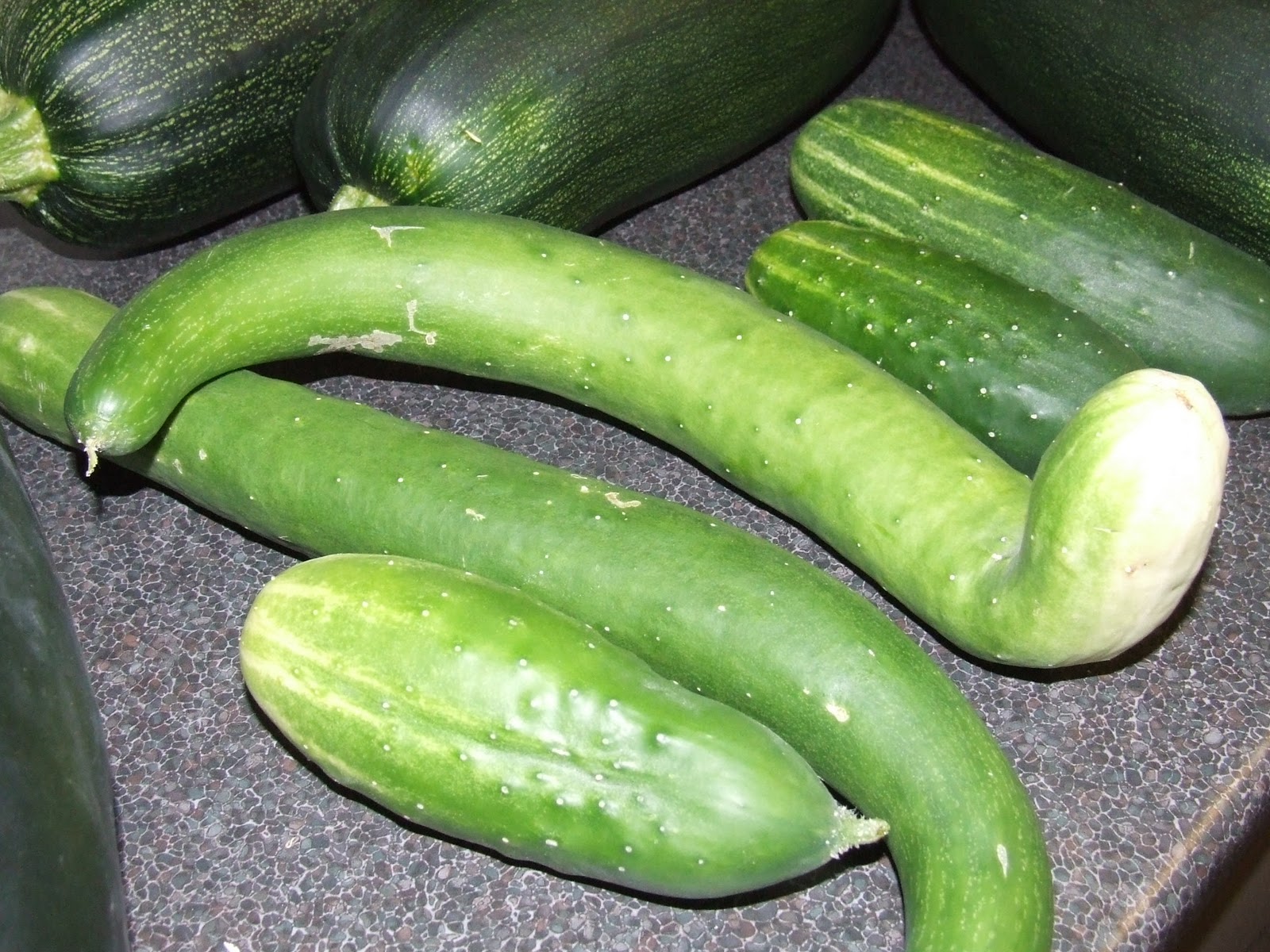
bent and wonky – banned by the big supermarkets
Market forces have already started killing kimchi and makgeolli. Fermentation processes, in which the development of something continues post the point of production, hinder the standardization that supermarkets encourage. It might seem an irrelevant point now, but I know several Korean women who can’t make kimchi and instead rely on their mothers for a regular supply. As for Korean men, most just about have the culinary skills to add water to a pot of ramyon (noodles) or make a cup of coffee – with mix. Sorry guys! . When the older generation of kimchi makers have died out, I would imagine a lot of women will turn to supermarkets for their fix of kimchi and from that point the gradually numbing of taste buds will lead to shit, factory made kimchi becoming the bench mark.
MacDonald’s have done exactly the same with the noble burger. If you’ve ever had a real American burger, ‘loaded,’ you’ll know how superior they are. In the USA, I’d say most people have no idea what real chocolate tastes like after years of rape by crap like Hershey’s. British people aren’t more discerning. I once gave a class of 17-year-old British kids decent chocolate (Lindt 70% milk, Excellence) and the most common and mediocre of British chocolate (Cadbury’s Dairy Milk, around 26% chocolate), which is substantially better quality the Hershey’s ersatz chocolate. They didn’t know which was which but they mostly voted the inferior chocolate the best. And British people are beginning to forget what real pork and bacon is like after years of abuse by pork that is pumped full of water and bacon that is similarly sodden with water and then ‘smoked’ by chemicals. Most British pork and bacon you can no longer fry as it ends up swimming in so much water they are effectively braised. Impregnation with water is what is probably going to happen with pork in Korea, which will rain torrents on samy-kyeop-sal (Korean pork barbecue) and kimchi and mekgeolli, in the hands of factory processes and supermarkets, will probably end up being similarly adulterated.
Take kimchi for example, the taste changes over anything up to several years and ‘maturation’ is greatly affected by temperature. Fermentation introduces random elements into food production that factory systems don’t like and it is safer for the image of brands to have products that are always mediocre, and hence reliable in their mediocrity, than ones where random elements occasionally deal both superb and inferior products. Most of our factory food, whether it be fast food burgers to almost anything in a supermarket, has been reduced to mediocrity. I remember when Indian restaurants in Britain all differed from each other. Not only was chicken served ‘on’ or ‘off the bone,’ choices you are never given today, but every restaurant cooked differently because the companies that were to supply all the ‘cook in sauces,’ standardise them and dominant the industry, had not yet been developed. Restaurants depended on the skills and creative talents of their chefs and eating out in an Indian was a culinary experience. I’ve even eaten curry garnished with melted silver leaf (varq) but again, you no longer see this creative addition. Standardization has killed the curry to the point crap factory products become the bench mark and preferred taste and in the process the chef is deskilled and becomes a ‘cook.’ Now, you can eat a korma in Newcastle or Cornwall and it will taste and look exactly the same – usually sickly yellow, sweet, and populated by uniform cubes of tasteless chicken. Yes, it’s cooked in a restaurant but the components are produced by mass factory processes. Even the pickles are now mass-produced.
It was the variation and randomness of British Indian restaurants that made them so exciting and it is currently the same variation that enlivens the experience of kimchi and makgeolli. Like most of the makgeolli type drinks you can now buy, and most of the packaged kimchi, the fermentation process has been terminated. Ten years ago, all makgeolli bottles had a hole on the top to allow the fermentation process to continue and so was packeted kimchi. Today, they are treated to kill the micro-organisms which so miraculously collaborate to transform a pile of boring cabbage into kimchi and rice into makgeolli. You don’t really appreciate the explosive potential of makgeolli until you’ve brewed it and believe me, it can pack a punch far more powerful than champagne.
The allure of making your own makgeolli and kimchi, lies in the fascinating interplay, a kaleidoscope of activity, that is produced when enzymes and environment collide and every production is a little different – and the difference continues to develop. And they are so very much alive; both kimchi and real makgeolli have a ‘zing’ that is absent when bottled or packeted. No matter how good a commercial makgeolli or kimchi is there is something they lack and quite simply, it is life. Homemade kimchi and makgeolli are full of ‘zeng’ (ie – ‘saeng,’ 생 -生), which is the Hanja (Character) for ‘life’ or ‘living.’ The moment you taste real kimchi or real makgeolli you taste life, it has a quality that with clinically dead food is only ever an approximation. Bottled makgeolli, boiled to death, is artificially resuscitated and put on a carbonated life support but despite the bubbles and facade of life, it is a zombie in comparison to makgeolli that has been allowed to retain its miraculous micro-organic population.
If you want kimchi that is always ever just, ‘just’ (그냥), well, the Chinese are making it in abundance. In my local Chinese store in the UK you can buy Kimchi made in the PRC that has not only been killed prior to packaging, but suitably embalmed in liquid chemical environment hostile to any micro-organic activity and then entombed in a can! And believe me, it tastes as bad as it sounds.
Kimchi and makgeolli are incredibly easy to make and doing so is fun. Homemade kimchi is much cheaper than the packet, supermarket variety and you can make around 8 liters of makgeolli from about 1.3 kilograms of rice (costing about 6000W – £6) which compared with shop bought makgeolli, is about half price. But more to the point, it is more about preserving taste and culture, than cost!
For more information on making makgeolli, visit Mister Makgeolli , and for information on making kimchi, visit: Kimchi Gone Fusion.
Bathhouse Ballads chronicles many aspects of my life in South Korea. Kimchi Gone Fusion focuses on ‘the way of the pickled cabbage’ while Mister Makgeolli is dedicated to Korean rice wine.
©Bathhouse Ballads – 努江虎 – 노강호 2011 Creative Commons Licence.
An Old Favourite – ‘The Supplanter’
I’ve always enjoyed reading The Supplanter. Being a fellow Brit I enjoy his humour and we seem to share a common ground in our experience and analysis of Korean culture. Of more importance, it nearly always elicits a smile. When I first stumbled upon The Supplanter, around three years ago, I remember sitting up to the early hours of the morning reading some very amusing posts. Originally based in Korea, The Supplanter has relocated to China but he still publishes occasional posts on issues relevant to South Korea. The following is an extract from Teacher Bloopers:
Middle School, speaking test preparation after school class:
Me: ‘What’s your Father’s job?’
Student: ‘He no work’
Me: ‘He doesn’t work. Or you can say He is unemployed’
Student: ‘No, my Father dead’
Me: ‘Oh, erm, sorry to hear that’
***
Women’s University, Seoul, speaking test:
Me: ‘Describe your ideal man’
Student: ‘I don’t like men’
Me: ‘Why?’
Student: ‘I’m a lesbian’
Me: ‘Good answer’
***
At Elementary Summer Camp, Seoul, speaking to a parent about her son’s strange behaviour:
Me: ‘Your son pulls out his hair and tries to eat it. I’m very worried about him’
Mother: ‘Yes, he does that’
Me: ‘Do you know why?’
Mother: ‘The doctor says he’s worried about things. Stressed’
Me: ‘Yes, clearly he’s very stressed. What did the doctor say to do?’
Mother: ‘Oh doctor said he’d grow out of it and if it gets bad we can get a …? I don’t know the English …’ (Mimes)
Me: ‘A wig?’
Mother: ‘Yes! That’s it – Wig!’
***
Exiting from building in a Chinese university:
Me: [Walks into knee high metal bollard] OH FUCK ME!!!
[Shocked students turn to observe foreign teacher hobbling away in agony]
Me: [Looking up] ‘Oh, hello Dean … I …’
***
In conversation with a teaching assistant, University, China:
Me: ‘I really think you should change your English name, Enoch is not a good name if you’re British’
TA: ‘Why? I like it’
Me: ‘Well, it tends to make British people think of Enoch Powell, who was a racist politician’
TA: ‘You mean he hated black people?’
Me: ‘Well yes, amongst others …’
TA: ‘Me too’
Me: ‘Umm, that’s a terrible thing to say, but he’d also hate you too!’
TA: ‘Why? I’m not black!’
Me: ‘He didn’t like anyone who wasn’t white – or British – or not Christian’
TA: ‘Well, I’m not Christian, maybe he’d like me!’
Me: ‘… I think you’ve misunderstood, let me put it another way … Just change your name, ok?’
***
Responding to text from Female Chinese Student in Advanced English class:
Student: ‘I really like your class! Your so funny! But, I need some help, can I come and see you?’
Me: ‘Thank you, glad you enjoy the class. Come and see me before or after the lesson’
Student: ‘No, I mean we should meet up’
Me: ‘Yes, before or after lesson is fine’
Student: ‘No, I want to come to your apartment. We can hang out, watch a movie. I stay with you because dormitory close at midnght. Too early’
Me: ‘I don’t think that’s a good idea. Bye’
***
Middle school, Seoul, in conversation with the baseball coach:
Korean Teacher: ‘Discipline is hard these days … students think they can do what they want …’
Me: ‘Well, they’re much better behaved than English students’
KT: ‘Really? I always thought English people were well behaved’
Me: ‘No’
KT: ‘Hmmnn … I got suspended last semester because I disciplined a student’
Me: ‘Really? What happened?’
KT: ‘Oh I just hit his legs with a baseball bat … and not broke but …’
Me: ‘Fracture?’
KT: ‘Yes – fracture! His parents complain … so I got suspended. You can’t harm students these days, parents complain about everything …’
Me: ‘…’
***
Eliciting from low-level students, University, China
Me: ‘So, here are things you like [indicates board] But what about things you don’t like – or dislike?’
Students: [Silence]
Me: ‘What do you dislike? Don’t like?’
Student 1: ‘Hate?’
Me: ‘No. Too strong. Dislike – Don’t like.’
Student 1: ‘Japanese?’
Me: ‘What?’
Student 1: ‘Hate Japanese’
Me: ‘No, no … not hate … and not Japanese. Dislike – don’t like – Hate [gesticulates] too strong’
Student 2: ‘Japanese people?’
Me: ‘No, no, no!’
Student 3: ‘Japanese culture?’
Me: ‘No! something else – forget the Japanese’
[Silence]
Me: ‘Anything else you dislike – don’t like – but not the Japanese’
Student 1: ‘Chinese people … Chinese people cannot forget Japanese’
Me: ‘Ok – write on your sheets things you don’t like – dislike – but NOT JAPANESE’
Me: [Checking answer sheets] ‘So, everyone has written Japanese …’
©努江虎 – 노강호 2012 Creative Commons Licence.
Further References:
Doboks Galore – Photo Diary
I feel quite at home among taekwondo and martial arts clothing. With twenty years experience of taekwon-do, I got to the stage I could go shopping in a supermarket in the UK or Germany, in a ‘dobok’ and not feel out-of-place. I find something quite ‘homely’ about the various uniforms you see on Korea streets and in schools and again this is probably because I was also fifteen years in the British army. Wherever you go in Korea, uniforms are part of the scenery and one of the most popular is the taekwondo ‘dobok.’
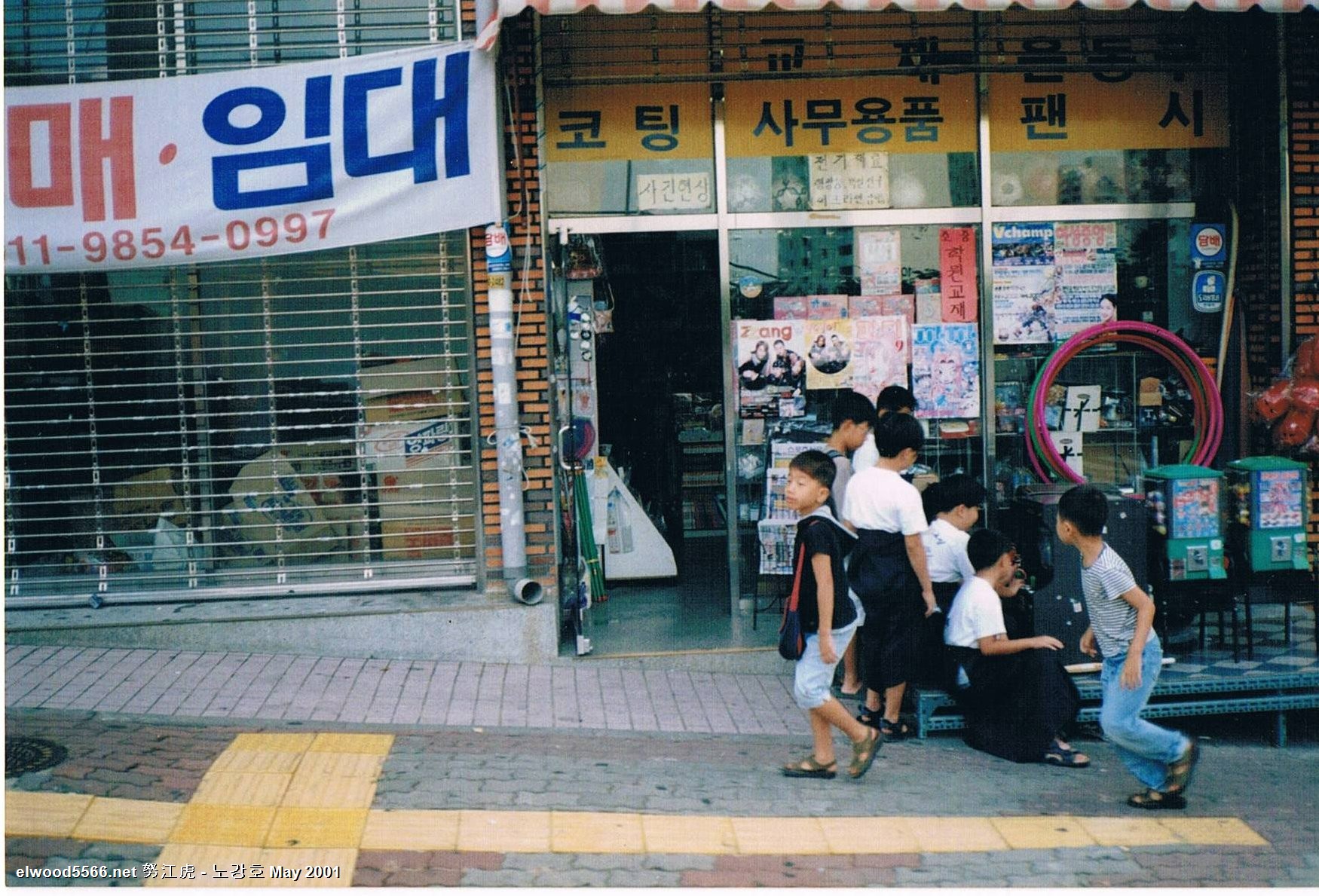
2001: Boys in summer komdo (kendo) uniforms with the baggy pants, playing an arcade game
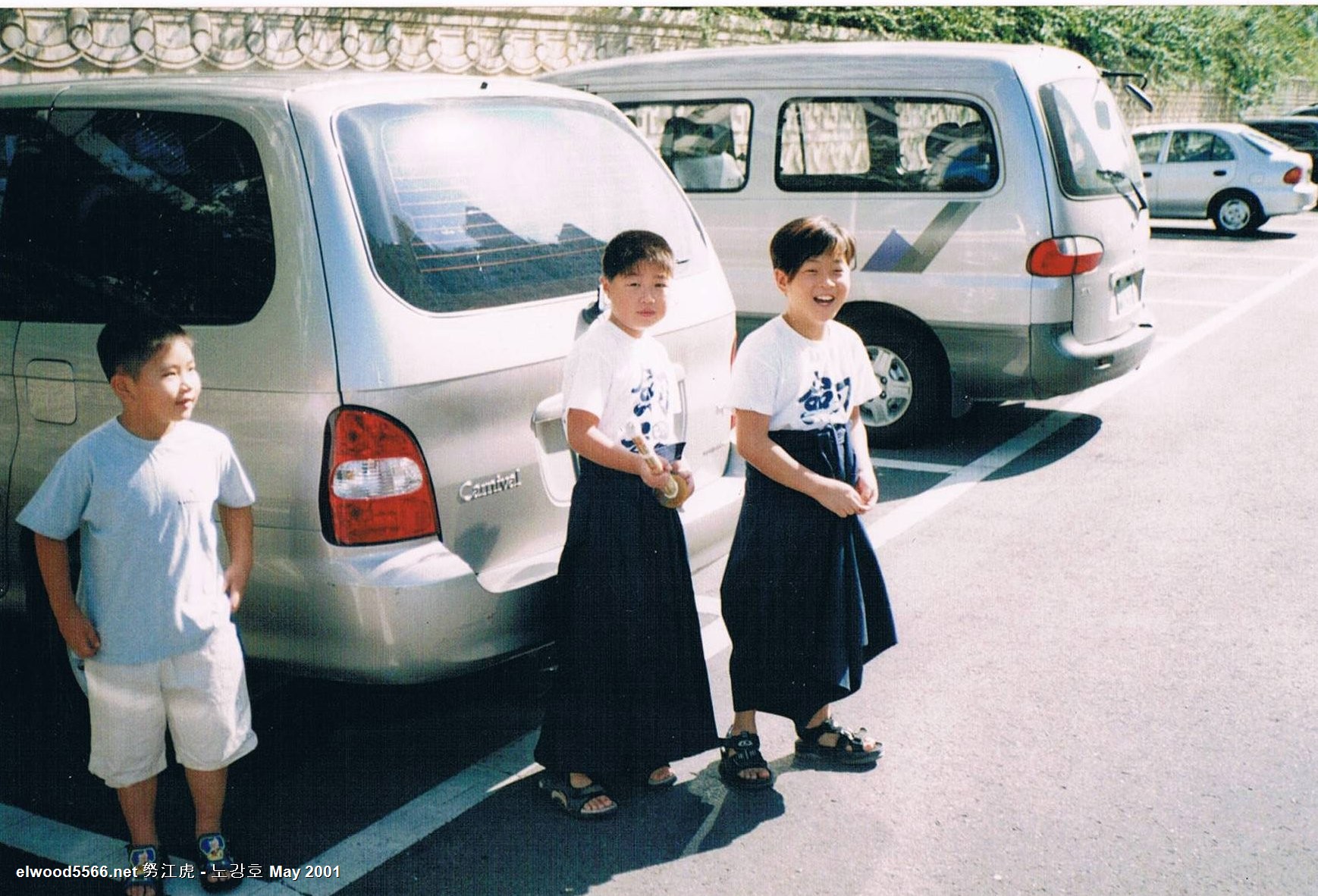
2001: Two komdo boys in summer dress. One carries a bamboo 'shinai' (don't know the Korean term for this)
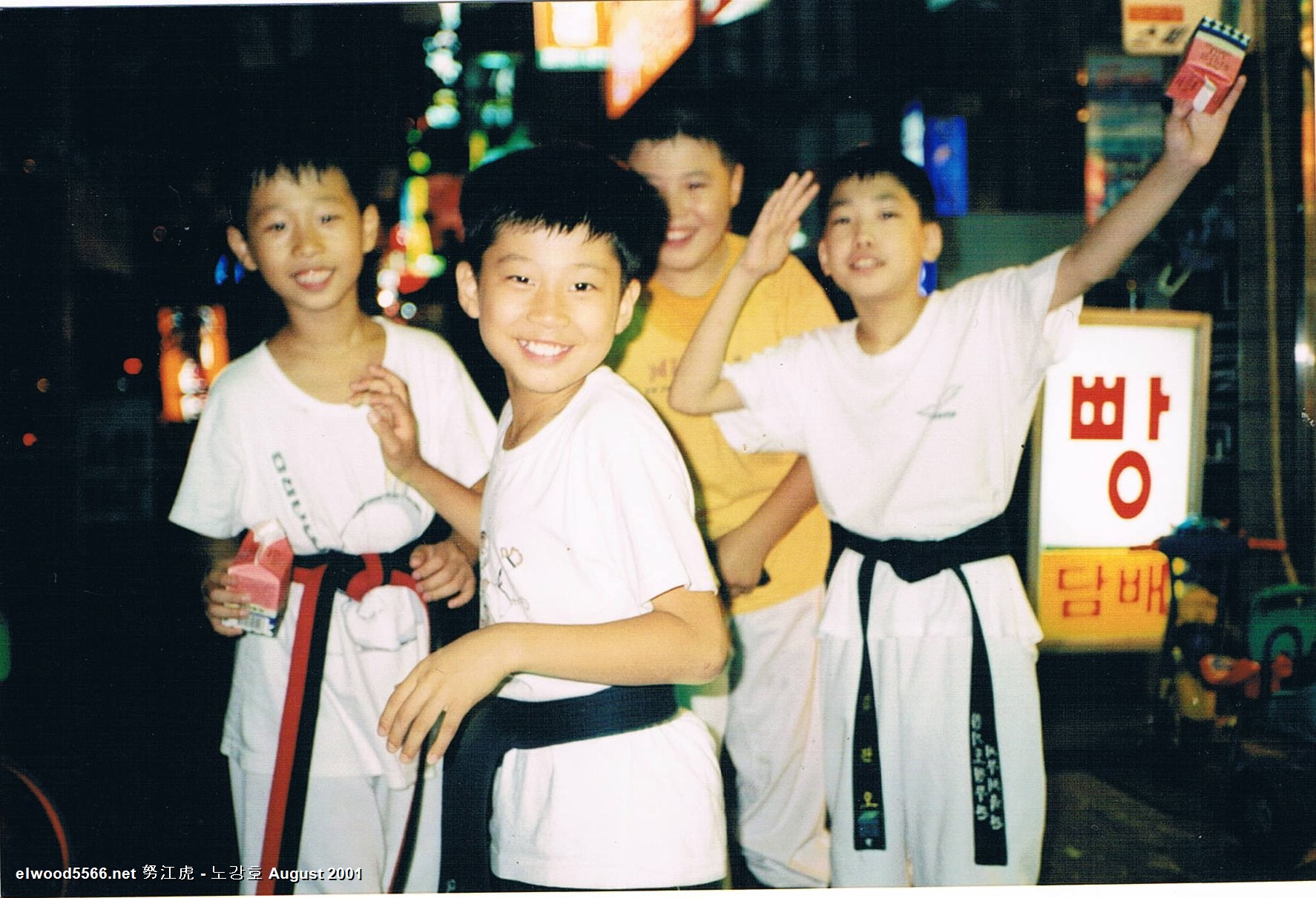
2001. Hapkido boys in summer uniform. This school is still training ten years later.
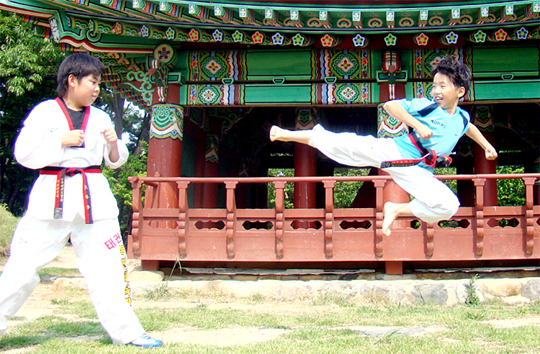
flying side kick

A couple of taekwondo boys resting. WTF 'dobok' are always blinged to the max!
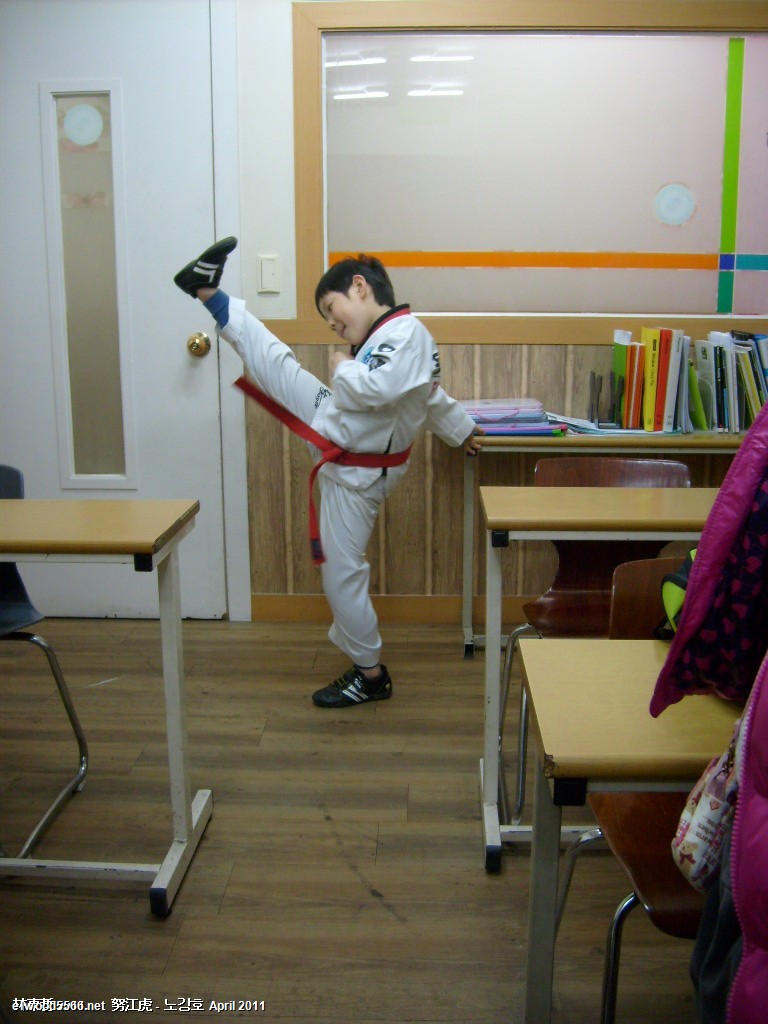
one of my younger students demonstrates his front kick
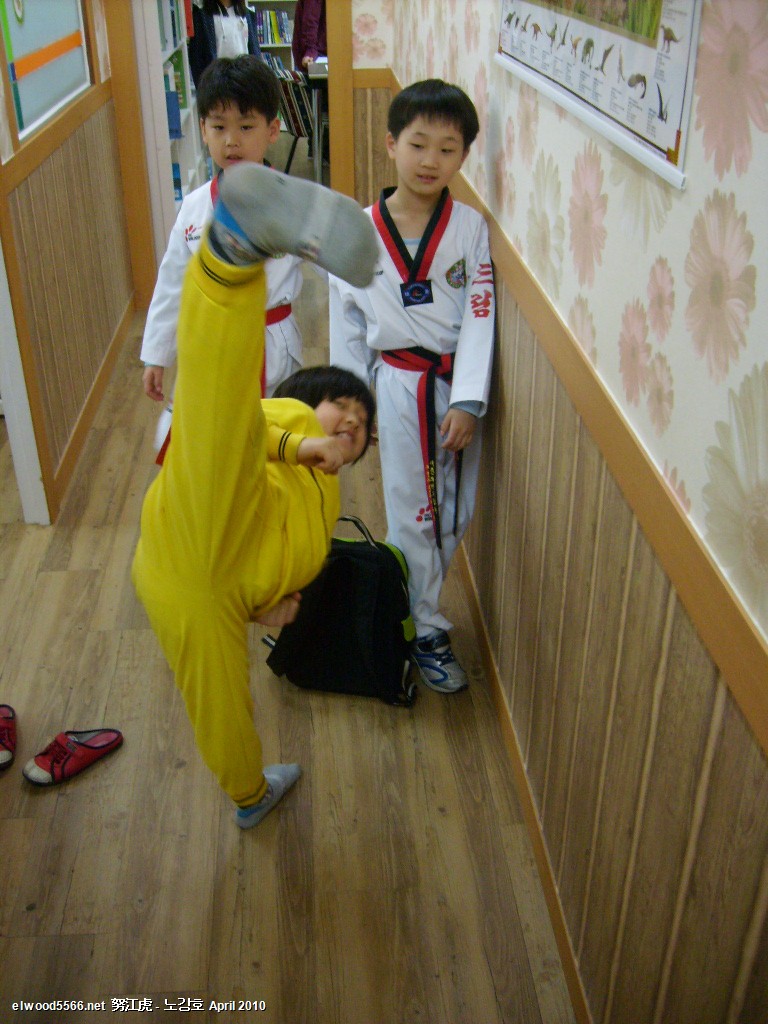
Jay is a third degree black-belt (WTF). This is a fantastic side kick!

Some older taekwondo boys on a wet morning in the monsoon season
Jay performing a side kick


 Elwood 5566
leave a comment